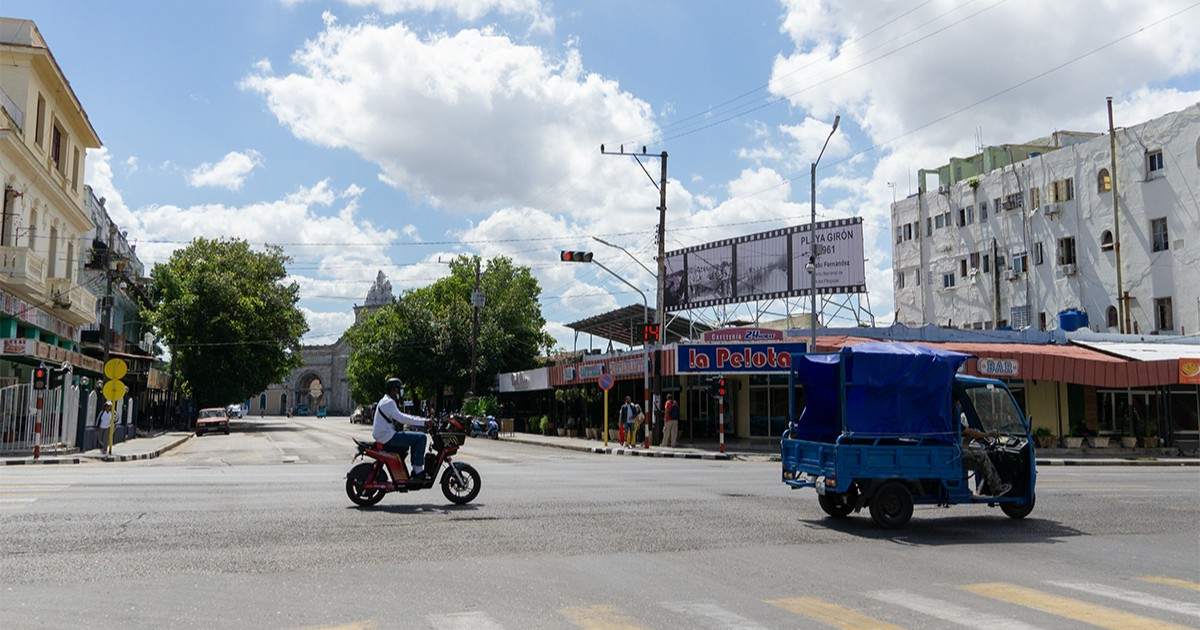
Residents of El Vedado in Havana are protesting this Thursday by banging pots and pans after enduring more than 30 consecutive hours without electricity, as reported in real time by Cuban journalist and activist Mag Jorge Castro via his verified Facebook account.
“#Now. Tupperware protest in Vedado… more than 30 hours without electricity. I’m receiving reports right now,” Castro wrote in the post.
A neighbor from the corner of 17 and J confirmed that the pots can be heard from his house.
The protest occurs in the context of the fifth total blackout of the National Electric System in 2026, which happened on Monday at 11:05 a.m. following the unexpected outage of a unit at the Felton thermoelectric plant in Holguín, leaving 9.6 million residents of the island without electricity.
At the time of the pot-banging protest, Cuba had been experiencing approximately 48 hours since that complete collapse, with large areas of Havana still without service or with very intermittent supply.
A follower of Mag Jorge Castro's profile claimed that residents in Plaza Vieja, Old Havana, have been without power since 5:45 AM, and another internet user commented that in Santos Suarez, they have been without electricity for 34 hours.
The complete restoration of the system would not occur until July 18th.
El Vedado has become the recurring epicenter of citizen protests against blackouts in the capital since March 2026.
Its location—just a few blocks from the Palace of the Revolution and the Central Committee of the Communist Party of Cuba—turns every demonstration in that neighborhood into a direct challenge to the political power of the regime.
The documented cacerolazos in El Vedado during 2026 include those on March 13 and 23, April 17, May 17, June 3 and 7, as well as on July 2 and July 12, the latter being documented on video by activist Salomé García Bacallao. On several occasions, there were reports of police presence to dissuade the protesters.
The electrical crisis fueling these protests reached a historic maximum deficit of 2,341 MW in July, recorded on July 10, with only 935 MW available against a demand of over 3,100 MW.
Eight of the country's 16 thermoelectric units were out of service that month, and the Antonio Guiteras thermoelectric plant had recorded 17 disconnections so far this year.
Daily power outages in Havana average between 15 and 20 hours, while in provinces such as Matanzas they have reached up to 87 consecutive hours during the peak of the Caribbean summer with extreme temperatures.
In light of the magnitude of the collapse, Díaz-Canel visited Havana on July 8 and urged local authorities to "better organize" the scheduling of blackouts, without announcing any structural solution for a thermoelectric plant over four decades old and lacking adequate maintenance.
In 24 months, the National Electric System has experienced 10 total collapses, five of them occurring in 2026 alone, a record number in the recent history of Cuba.
Related videos:
Filed under: