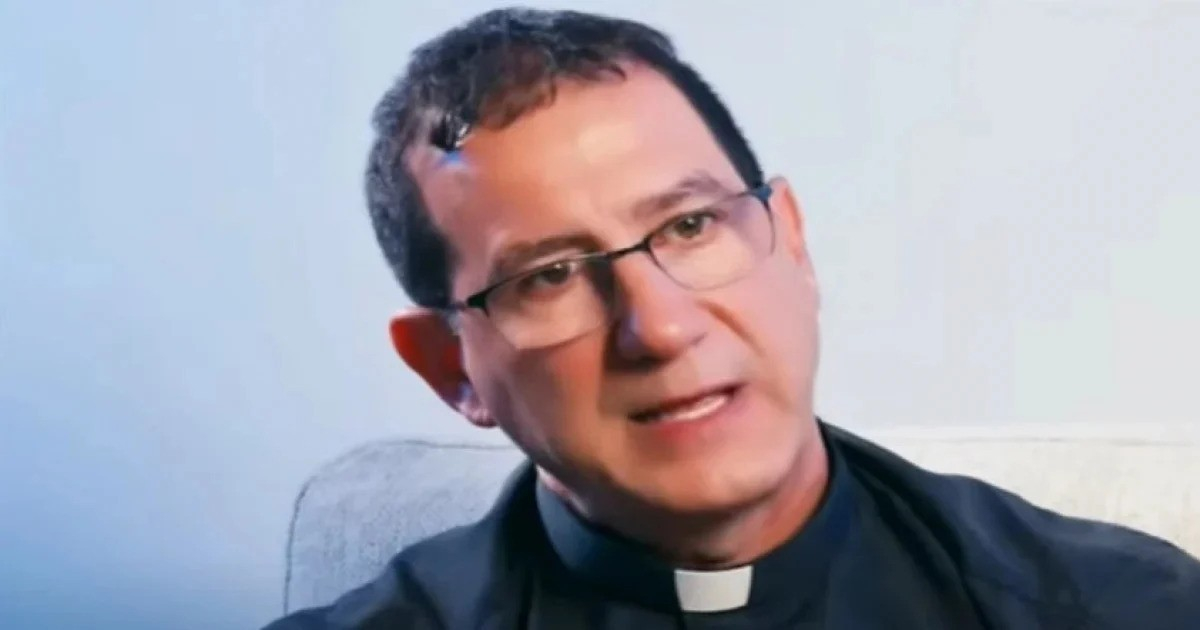
The Cuban priest Alberto Reyes Pías published this Friday the 166th installment of his weekly column on Facebook, titled "I Have Been Thinking About Our Quotas of Fear," in which he dissects the fear of change as the mechanism that sustains a system that, according to him, no one defends out of conviction anymore.
The parish priest of Esmeralda, in Camagüey, argues that the dictatorship is not sustained solely by direct repression, but by something deeper and more intimate: the terror that Cubans themselves feel at the possibility of living without the chains they know.
"We are afraid of freedom, of not knowing what to do when we can live without chains, of not knowing how to be masters of our destiny once no one tells us what to do. We are afraid of a society in which we have to communicate and reach an agreement on the ways each person wants to exercise their freedom," he writes.
Reyes Pías starkly describes the contradiction facing Cuban society: citizens enduring blackouts, hunger, and a lack of medications and transportation. Despite this, people are concerned about whether, after the hoped-for change, they will be able to find their place in a different reality.
"And deep inside, in the inconfessable parts of our soul, we complain, we curse, we protest, but we prefer that everything remains the same, in what we know, in what we manage, in our miserable security," he notes.
The priest directly targets those who collaborate with the regime by denouncing, repressing, or defaming those who fight for freedom, denying them any ideological conviction: “They do not act because they believe in the virtues of this system. Like everyone else, they go hungry, live without electricity, suffocate in the heat, have to throw away spoiled food, and have no medicine... but they are terrified of change.”
For Reyes, these collaborators of the regime "prefer the known darkness of the cave to the unknown risks of the light," an image that summarizes the moral paralysis that the regime has cultivated for decades.
But he doesn’t end his reflection in despair; he is pleased that there is "the other side," Cubans who are fighting to change their present, even without knowing what the future will hold: "those who speak, write, protest, take to the streets, and make noise with their pots...".
The reflection comes a week after the priest himself described Cuba as "a country in permanent war against its own people", following the third nationwide blackout of the year, which occurred on July 6 and left millions of Cubans without electricity.
The context in which Reyes Pías writes is significant.
Cuba records approximately 1,250 political prisoners in 2026 and 107 protests just in June.
The Father himself has been summoned twice by State Security under the threat of judicial prosecution, and in June he was publicly attacked by the official troubadour Raúl Torres in an open letter.
In January, State Security summoned him along with priest Castor José Álvarez Devesa, issuing warning records for considering them "promoters of hatred."
Related videos:
Filed under: