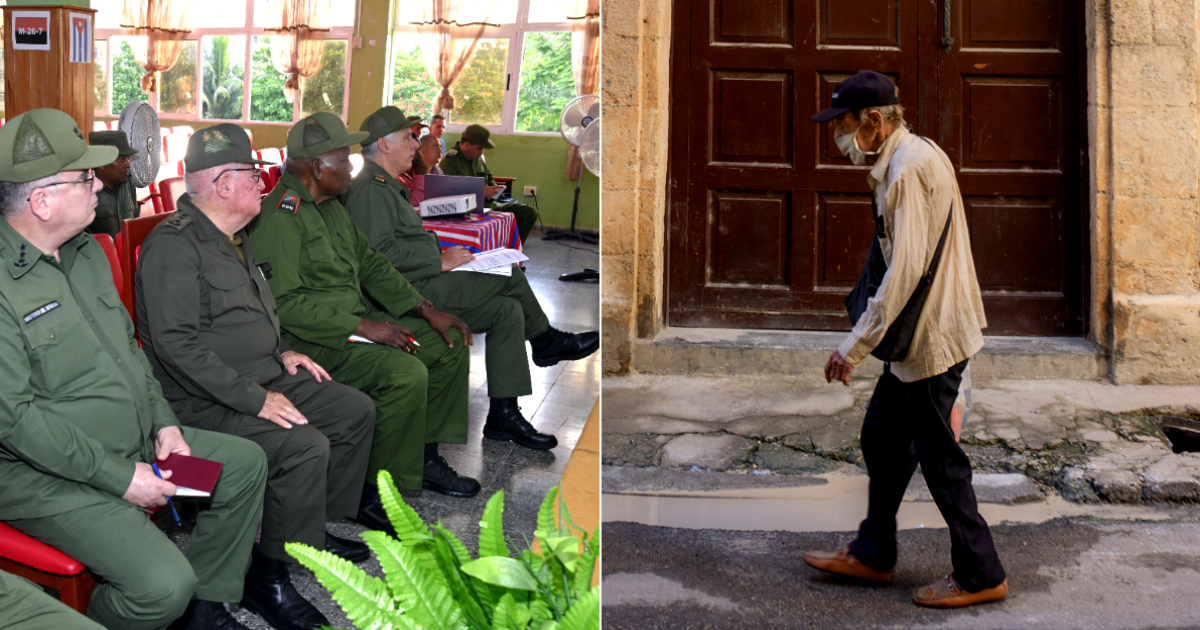
The increase in the minimum wage in the budgeted sector, from 2,100 to 3,210 pesos per month, was presented by Miguel Díaz-Canel as proof that the economic reforms of the regime "protect those who are in the most difficult situations".
However, the response from hundreds of readers of CiberCuba on Facebook was far from focusing on the percentage of the increase. Many chose to respond with something much more graphic: a list of the prices they pay each week to feed their families.
The comments posted following the news provide a spontaneous snapshot of the real cost of living in Cuba, marked by inflation, scarcity, and the ongoing devaluation of the peso.
One of the most mentioned products was vegetable oil. While the new minimum wage amounts to 3,210 pesos, many users pointed out that a single bottle costs between 1,600 and 2,300 pesos, depending on where it is purchased.
"With that increase, I can only buy a bottle of oil," summarized a reader. Others specified that a 900-milliliter container costs around 1,600 pesos, while several claimed to have paid between 2,000 and 2,300 pesos for a bottle.
The eggs have emerged as another symbol of the loss of purchasing power. According to the collected testimonies, a carton costs between 2,500 and 3,500 pesos, while a single egg can reach 100 or 120 pesos.
"The increase is enough for a carton of eggs", a user quipped. Another commented that "it's not even enough to poorly eat for three days."
Chicken also falls victim to the rising prices. Various readers stated that a ten-pound package costs between 5,400 and 6,600 pesos, which is significantly more than the new minimum wage. Others indicated that a package of five thighs is around 2,700 or 3,000 pesos, while a pound of chicken can sell for 650 pesos.
One of the most shared comments was from a retiree who claimed to have to save for three months to gather the money needed to buy a package of chicken.
Rice, one of the staple foods in the Cuban diet, also frequently appeared in the responses. Some users indicated its price to be between 330 and 350 pesos per pound, while others mentioned one-kilogram packages that are already being sold for 760 to 800 pesos, depending on the type of packaging and the market.
The list is joined by other products deemed essential by the readers themselves.
Powdered milk was priced between 3,000 and 4,000 pesos per kilogram. Bread, according to some comments, is around 250 pesos per pound. There were also mentions of sugar, with prices ranging from 400 to 1,100 pesos, and cooking charcoal, which some placed at 3,000 pesos per sack.
Expenses do not end with food.
Several readers reported that a gas cylinder went from costing 180 to 350 pesos, while others stated that obtaining it through alternative means could amount to an expenditure of around 30 dollars.
Medications were also highlighted among the main concerns, with users claiming to pay several hundred pesos for a single blister pack of tablets.
But the problem, according to many commentators, is not limited to the price of products, but also to access to money.
A reader explained that in Santiago de Cuba, those who receive payment through bank cards often have to hand over between 40% and 50% of their salary to intermediaries to obtain cash. Others reported delays in payments, lack of coverage to use Transfermóvil, and difficulties in making purchases through electronic transfers.
The criticisms also targeted the regime's economic strategy.
What needs to increase is production, wrote one of the users, who called for more incentives for agriculture, livestock, and food production.
Others agreed that raising salaries without increasing the supply of goods will only fuel inflation, as happened after the Tarea Ordenamiento. "They don't remember what happened when salaries were increased. The currency lost more value and the dollar skyrocketed," remarked a reader.
Currently, the approved minimum wage for the budgeted sector is approximately 4.6 dollars per month, based on the informal currency exchange market, where the dollar is trading around 690 pesos.
The new salary scale published by the Ministry of Labor establishes increases for the 32 occupational groups in the budgeted sector. Group I increased from 2,100 to 3,210 pesos, while Group XXXII rose from 9,510 to 14,535 pesos. This measure benefits over one million workers and entails a cost exceeding 42,000 million pesos for the state budget.
However, for many Cubans, the debate is not about the percentage increase or the new salary scales.
"What can one buy with a pension?" asked one of the readers. Another responded with a suggestion directed at the country's leaders: "Have them live on the same salary and with no benefits."
The dozens of comments posted on CiberCuba's Facebook page convey a common idea: beyond the official figures, Cubans measure the impact of the salary increase against the price of a dozen eggs, a bottle of oil, or a package of chicken.
And, judging by their responses, they believe that the gap between salary and the real cost of living is still too large.
Related videos:
Filed under: