Democracies are built on institutions; dictatorships rely on men. This is one of the first lessons learned from the Cuban experience.
No nation loses its freedom overnight. Before the rule of law disappears, a much more subtle and dangerous phenomenon often occurs: the replacement of institutions by the figure of the leader. Gradually, the Constitution ceases to be the highest authority and the leader takes that place.
In Latin America, caudillismo has been a constant since the 19th century. Many rulers built their legitimacy on military prestige, personal charisma, or the promise of redeeming their people. However, when the fate of a nation depends on a single man, freedom begins to disappear.
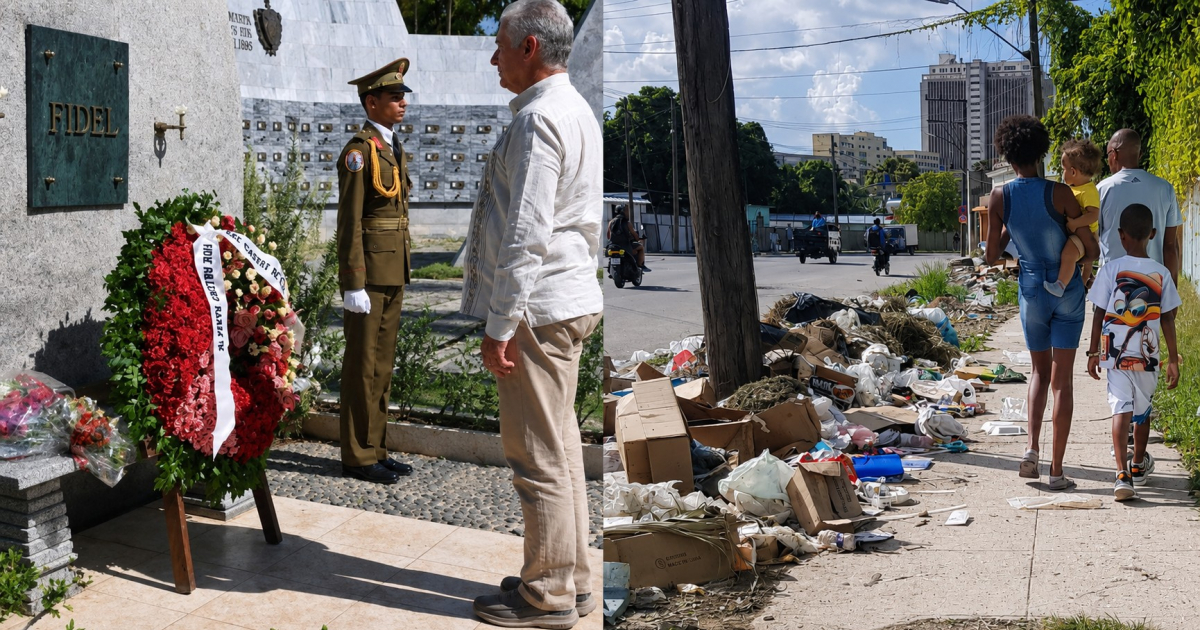
The Cuban 'Revolution' brought this phenomenon to one of its most extreme expressions. For decades, the image of Fidel Castro was turned into an absolute symbol of the State. His word became law, his speeches replaced political debate, and any dissent was seen as treason.
It was not just propaganda. It was the deliberate construction of a political culture where the citizen stopped thinking for themselves and began to repeat slogans. Schools taught admiration rather than critical thinking. The media perpetually exalted the leader. Social organizations existed to applaud, not to question.
When the leader becomes the homeland, any criticism is presented as an attack on the nation. Thus, pluralism disappears and obedience is born.
History shows that great leaders always promise quick solutions. They speak in the name of the people, claim to represent the humble, and assert they have answers for all problems. However, once power is concentrated, they begin to weaken the courts, parliament, the free press, and any institution capable of limiting their authority.
That process does not belong solely to the past. It continues to be one of the greatest risks for Latin American democracies.
When citizens begin to trust a leader more than the laws, the path to authoritarianism has already begun.
Truly free countries do not need providential men. They need strong institutions, separation of powers, an independent press, free elections, and citizens capable of questioning even those they admire.
The Cuban experience demonstrates that no ruler should become an object of veneration. Presidents are public servants, not saviors. They are temporary administrators of power, not owners of the national destiny.
The second great lesson from Cuba for Latin America is clear: the cult of the leader slowly destroys the Republic. Where one man is valued more than the Constitution, freedom ultimately becomes the first victim.
Strong nations are not built around a leader. They are built around institutions that outlast all rulers. Because men come and go. The Republic must endure.
Related videos:
Filed under:
Opinion article: Las declaraciones y opiniones expresadas en este artículo son de exclusiva responsabilidad de su autor y no representan necesariamente el punto de vista de CiberCuba.