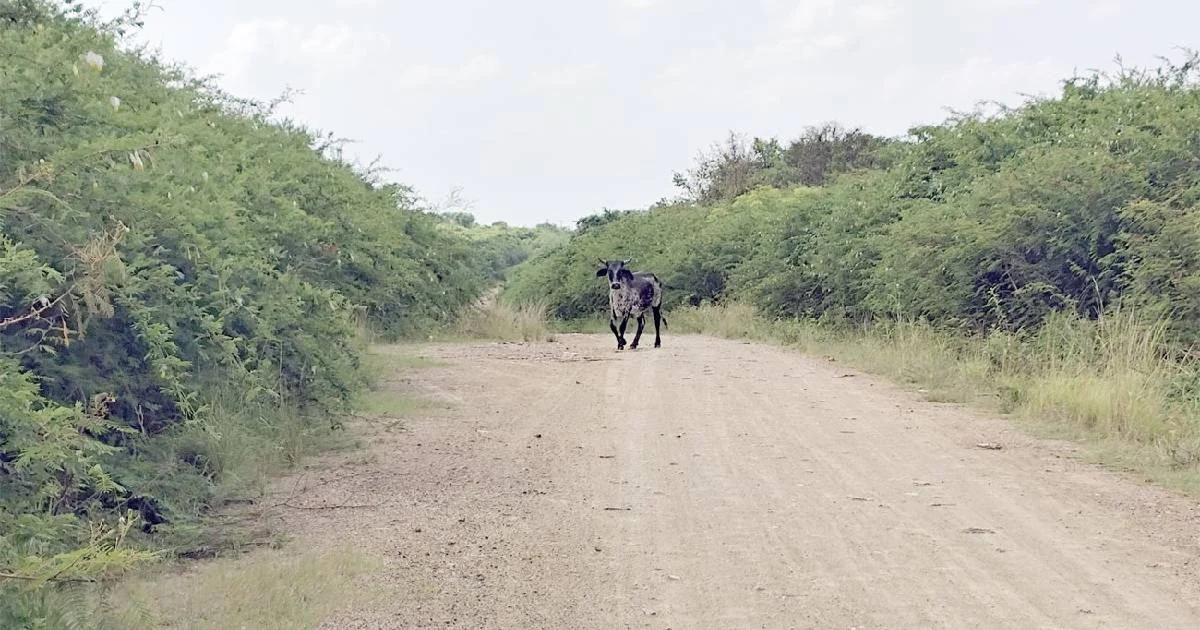
The livestock industry in Villa Clara is experiencing a severe crisis characterized by a reduction in the cattle herd, high animal mortality rates, and failure to meet official targets for production recovery, acknowledged the official newspaper Vanguardia this Sunday.
A decade ago, Villa Clara had about 519,000 cattle and was among the leading dairy provinces in Cuba, with significant productive regions in Manicaragua, Corralillo, Placetas, Sagua la Grande, and Santo Domingo, the source indicated.
However, the decline has been steady, and by the end of 2025, the losses among cows and heifers amounted to about 19,000 animals.
The situation continued to worsen throughout 2026. By early June, the province had recorded 337,960 cattle, a decrease of 181,000 head over the past 10 years. Additionally, there were 8,807 accumulated deaths and only 15,091 calf births, of which 3,077 died.
The birth rate barely exceeded 67.6% by the end of May, a figure that the official media itself considers detrimental to the future of the female flock.
Moreover, one in five calves died due to malnutrition, lack of food, or shortages of veterinary medicines.
Horses are also not spared from deterioration, as there were 1,015 recorded horse deaths in the first months of 2026 in a province with 48,026 specimens, the source pointed out.
The report attributes the deterioration to a combination of factors that go beyond the drought. The scarcity of pastures due to the lack of forage plantings, the depletion of water sources, the absence of fuel for transporting resources, and the lack of infrastructure such as reservoirs, artesian wells, and windmills hinder the survival of livestock. Additionally, the expansion of marabou over former productive areas adds to the challenges.
The author of the text also questioned the fulfillment of one of the main official announcements for this year. In March, the authorities reported that they would plant 4,000 hectares of pastures and fodder, but he pointed out that he is unaware of how much has actually been accomplished due to the lack of fuel, seeds, and irrigation systems
He noted that the plan likely "remained just numbers" due to the economic constraints the country is facing.
The crisis is also reflected in the rise of cattle theft and illegal slaughter. In 2025, around 9,000 losses due to this reason were reported in Villa Clara.
Between January and May of this year, there were already 3,476 criminal incidents reported on state and private farms, a situation that particularly impacts the farming and cooperative sector, which is responsible for 86% of the livestock in the province.
The diagnosis published by Vanguardia reveals the deterioration of an activity that for decades was strategic for milk and meat production in Villa Clara and that today faces a situation of continuous losses, resource shortages, and a sustained reduction of the herd.
"This bleak outlook, among cattle and horses, requires further transformations, starting from the breeders' own farms," concluded the news outlet, "so that the fields can become productive again."
Without supplies, without water, without credits, and with thieves lurking in the pastures, that transformation looks, for now, like another announcement destined to remain on paper.
This week, five men were caught in the act while illegally slaughtering three cattle in Cárdenas, Matanzas, with 202.5 kilograms of meat confiscated, highlighting the provincial extent of the issue.
Since 2019 and up to 2024, Cuba lost over 900,000 head of cattle; by the end of 2024, the national herd stood at around three million animals, nearly 400,000 fewer than the previous year, according to data from the Ministry of Agriculture.
The livestock system in Camagüey also loses thousands of animals due to deaths, illegal slaughters, and poor management. In 2024 alone, nearly 58,963 deaths and 7,143 clandestine slaughters were recorded.
"Last year, due to theft, sacrifice, and deaths for other reasons, the number of lost cows equaled that of an entire municipality. If this trend continues, in approximately 15 years, there will be no livestock in Camagüey, and even less milk," warned the official newspaper Granma in June 2025.
Related videos:
Filed under: