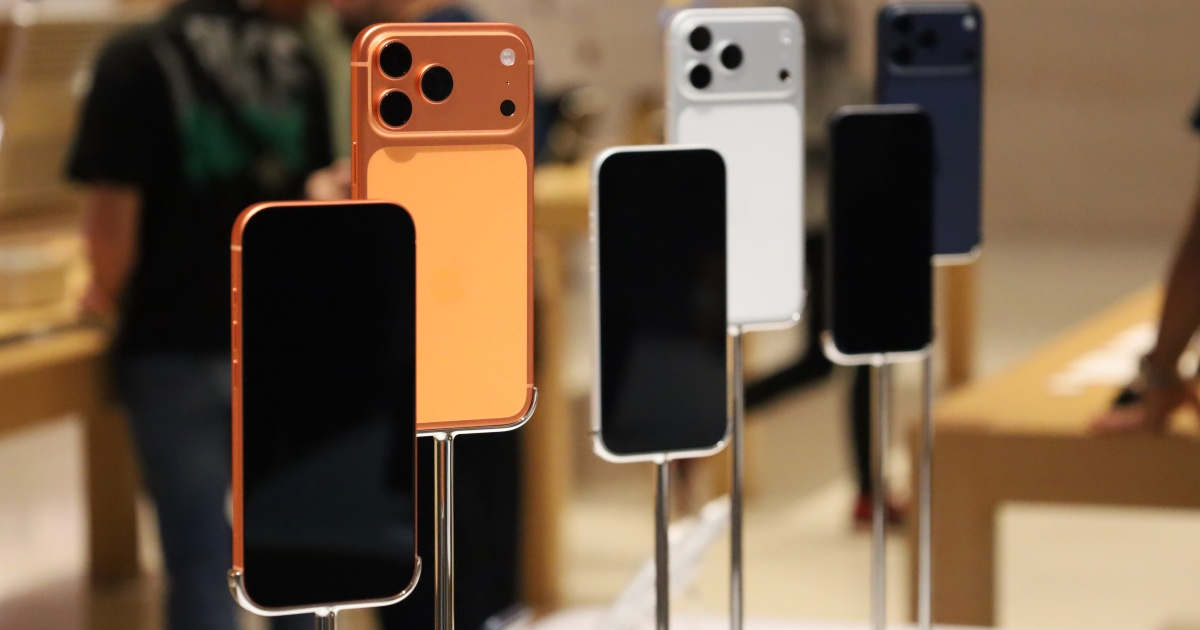
Apple introduced Apple Upgrade, an innovative program that allows you to lease an iPhone, a Mac, an iPad, or an Apple Watch instead of purchasing it, with monthly payments starting at $17.99.
The plan is now available in the U.S. through the company's physical stores, its online site, and the Apple Store app.
The launch comes at a time when Apple device prices continue to rise, and consumers are taking longer to upgrade their equipment.
The average user in the U.S. keeps their phone for 22 months before replacing it, according to a survey by Reviews.org.
How does Apple Upgrade work?
The program operates in partnership with the digital payment service Klarna and works similarly to a car lease: the user pays a monthly fee for a specified period, and the device does not become their property unless they choose to buy it at the end of the contract.
iPhones and Apple Watches can be leased for 12 or 24 months, while Macs and iPads have options for 24 or 36 months.
The admission prices are:
- iPhone: from $17.99 per month.
- Apple Watch: from $11.99 per month.
- iPad: from $11.99 per month.
- Mac: from $24.99 per month.
Those who trade in their current device through the Trade In program upon signing up can reduce their monthly payment.
Users who pay with Apple Card will also receive a 3% cashback every month.
What happens at the end of the contract?
Upon expiration of the deadline, the user has three options:
-return the device and leave the program.
-pay the remaining amount in one go to keep it.
-return the equipment and sign a new contract to get the latest model.
According to Applesfera, Klarna does not charge any additional fees for the leasing, meaning that an iPhone priced at $1,099 can be purchased at the end of the contract for that same price, with no extra charges beyond taxes.
If the device is damaged and the user did not purchase AppleCare+, they will be responsible for the full repair cost determined by Klarna.
Which products are eligible and which are not?
The models included in the program are the iPhone 17, the iPhone Air, the Apple Watch Series 11, the Apple Watch Ultra 3, the MacBook Air, the MacBook Pro, the iMac, the Mac Studio, the iPad Air, the iPad Pro, and the iPad Mini.
The following entry models are excluded: the iPhone 16, the Apple Watch SE, the MacBook Neo, the Mac mini, and the iPad (A16).
To lease an iPhone, it is also mandatory to connect it to AT&T, T-Mobile, or Verizon upon enrollment.
Apple Upgrade replaces the previous iPhone Upgrade Program, which allowed users to change their iPhone after 12 monthly payments and started at approximately $42 per month, more than double the entry-level option of the new plan.
Why is Apple releasing this now?
The program debuts weeks ahead of the anticipated release of Apple's first foldable iPhone, expected in September 2026, with an estimated cost of around $2,000 according to Bloomberg.
Last June, the company had already raised the prices of Mac and iPad due to the memory chip shortage driven by the demand from artificial intelligence data centers.
Mike Howard, Vice President of TechInsights, warned CNN that "we should start thinking about a $1,500 iPhone instead of a $1,000 or $1,200 one."
Francisco Jeronimo, an analyst at IDC, was direct in assessing the moment: "Apple Upgrade comes at exactly the time when Apple needs it," he noted in a statement, warning that "the real risk for Apple is that further price increases could impact the upgrade cycle."
For now, the program is only available in the U.S., although Klarna already operates in Spain and other markets, leaving the door open for potential future expansion.
Related videos:
Filed under: