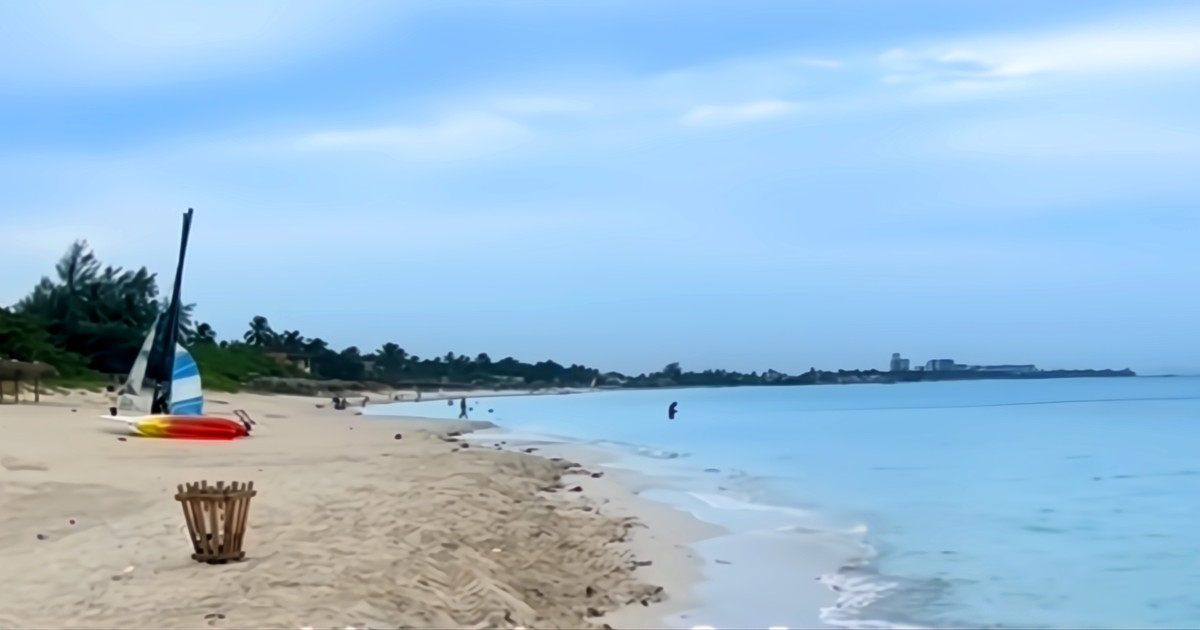
The Prime Minister Manuel Marrero Cruz acknowledged this Wednesday before the National Assembly of People's Power that 73% of Cuba's hotel facilities remain closed, with around 25,000 workers in a state of availability, meaning they are at home without full employment activity.
Marrero attributed the collapse of the sector to the fuel shortages and the tightening of U.S. sanctions, which have directly impacted Cuban tourism throughout 2026.
According to the head of government, seven international hotel chains have ceased operations on the island, which accounts for 46% of the rooms managed under that model.
Among the companies that have left Cuba are Blue Diamond Resorts —with 62 hotels and over 12,900 rooms—, Meliá Hotels International —which confirmed the closure of its 34 establishments on July 21—, and Iberostar, which ceased operations at 12 of its 18 hotels on the island since June 1.
The exodus of international operators accelerated following the signing of Executive Order 14404 by President Donald Trump on May 1, 2026, which established secondary sanctions for foreign companies with trade ties to GAESA, the military conglomerate that controls Cuban tourism through Gaviota S.A.
The State Department designated GAESA on May 7 and set June 5 as the deadline for foreign companies to sever their ties with the entity, under the threat of being excluded from the U.S. financial system.
The decline in tourism in 2026 has been severe: between January and May, Cuba received only 360,000 international visitors, a 58% decrease compared to the same period in 2025, according to data from the Cuban government cited by CNN en Español.
This drop adds to an already catastrophic 2025, in which the island received 1.81 million international tourists, the worst figure since 2002 and far below the official target of 2.6 million.
Iconic destinations like Varadero starkly reflect the collapse: at the Paradisus Varadero, more than half of a workforce of 886 employees lacked active labor ties in May 2026, while at Gran Astro, over 300 employees were either on leave or at home.
In light of this situation, Marrero announced that 10 out of the 13 planned transformations for the tourism sector have been approved, as part of a broader package of economic reforms that totals 110 out of the 121 measures scheduled for June and July.
The approved measures include new business modalities involving non-state actors, tax incentives for ecotourism, authorization for private vehicle rental services, regulation of private travel agencies, and certification of tour guides.
The regime also created a special contribution of 1% aimed at financing the sustainability and promotion of the country's tourist destinations, although the effectiveness of these measures will depend on whether they can attract investment and visitors in a context of ongoing sanctions and an energy infrastructure that does not ensure minimum operating conditions.
"The country is undertaking these transformations in a particularly complex context, exacerbated by the intensification of the United States' policy against Cuba, which has affected strategic sectors such as energy, food production, tourism, finance, public health, and foreign trade," Marrero stated before the deputies.
Related videos:
Filed under: