While Manuel Marrero Cruz assured this Wednesday before the National Assembly that the economic transformations approved just a month ago are progressing "with a high level of compliance," Cubans responded in the comments on Cubadebate's Facebook with a mix of irony, weariness, and distrust that starkly contrasts with the official optimism.
«To infinity and beyond», «only by reading Cubadebate can one see the progress», «one step forward and one step back»: these were some of the phrases with which Cuban citizens received the report presented by the Prime Minister on the package of 176 transformations approved in the extraordinary session of June 18.
Other comments were more direct: "Enough with the meetings, we want results," "the same dog with a different collar," "many decrees and laws each year, but nothing gets enforced," and "I see many ideas, but no concrete measures."
Marrero informed the deputies that, out of the 121 transformations planned for June and July, 110 had already been approved, which represents 90.9% of the total planned, while five were partially progressing, and the rest would be submitted for consideration before the end of this week.
The Prime Minister also announced that the first private exchange house in Cuba was ready to operate as a pilot project, following the approval of the regulatory framework by the Central Bank.
To implement the set of measures, the government developed a legislative schedule that includes 138 legal norms, and the process has been updated based on directives from Army General Raúl Castro and agreements from the Central Committee of the Party.
Marrero himself described the current phase as the "most important and difficult" of the process, focused on implementing measures and correcting deviations.
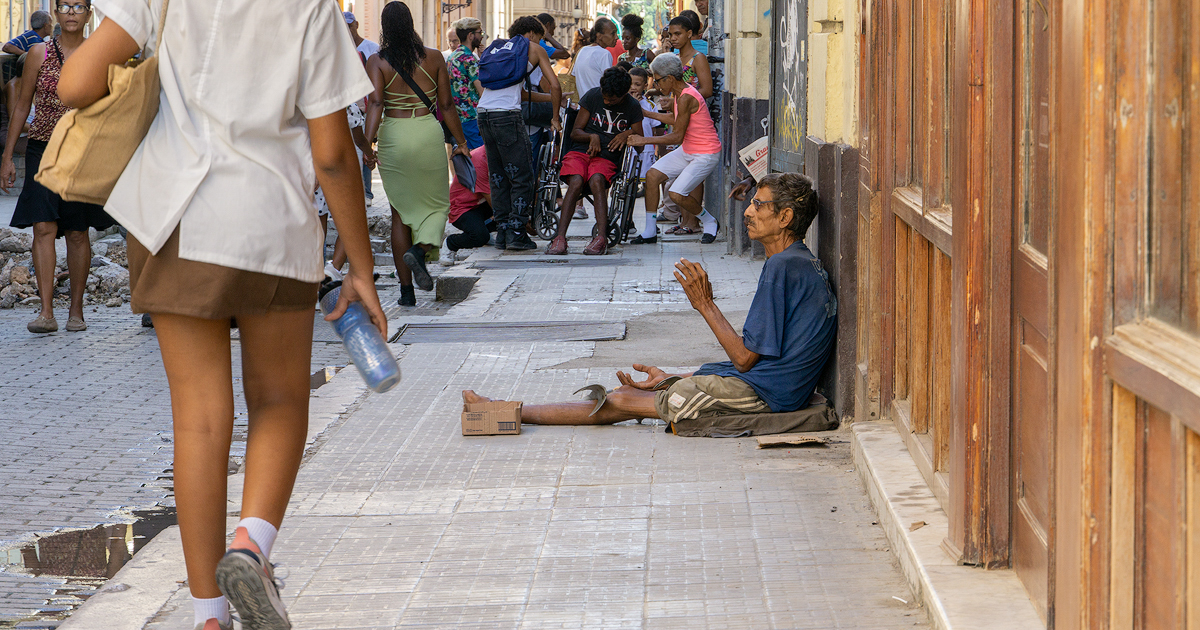
Citizen skepticism is neither new nor unwarranted. Cubans have recently expressed their doubts regarding the 176 measures proposed by the regime. This distrust has historical roots: Cuba has gone through multiple cycles of reform announcements — the guidelines of 2011, the Ordering Task of 2021 — which failed to reverse structural deterioration or alleviate the shortages of food, medicine, and electricity.
In May, when the government presented its Economic and Social Program 2026, the reaction on social media was identical: "Can you tell me what the main goals are...?" and "Another program!!!".
Cuban activists have also rejected the 176 measures, arguing that they do not address decades of crisis and that a fundamental political change is needed, while the United States government described the reforms of June as "superficial smoke signals."
Marrero himself acknowledged on June 30 that the greatest obstacle is not technical but cultural: "The biggest transformation has to be in our way of thinking," he said at that time in front of government officials.
The more complex measures of the package are postponed until August-September, and some until November 2026, which reinforces the perception that tangible changes —if they come— will take much longer than the deadlines set by the government.
Related videos:
Filed under: