The Russian government recently announced the extension of the bans on exporting gasoline and diesel until January 31, 2027.
This is a decision that further restricts the possibility for Moscow to allocate additional fuel to Cuba, which is experiencing one of the worst energy crises in its history.
According to a report by DW, the Russian Deputy Prime Minister Alexandr Novak had announced the measure on July 25 with these words:
"We decided in a meeting to extend the ban on gasoline exports for both producers and non-producers. This means it will be in effect until the end of the year."
However, the official statement from the Russian government was more restrictive: both bans remain in effect until January 2027.
The war in Ukraine, the cause behind the shortage
The direct cause of the measure is the fuel crisis that Russia is facing as a result of Ukrainian attacks on its refineries.
Between January and July 2026, Ukraine attacked 24 of the 34 major Russian refineries, bringing production down to its lowest level in 21 years: around 3.8 million barrels per day, according to the consulting firm Kpler.
At the beginning of July, gasoline production had dropped to 65% of the average summer consumption, with rationing at gas stations in almost all 83 regions of Russia, according to a report by CNN.
Some areas continue to face supply issues, particularly in regions of Siberia, and it is expected that the ban on diesel will be lifted "as the market recovers."
To alleviate the internal shortage, Russia has even turned to imports.
According to Reuters in mid-July, approximately 30,000 tons of AI-92 gasoline were imported from the port of Tangier, Morocco, to the Arctic port of Murmansk, with Lukoil as the supplier.
It also received shipments from India and by rail from Belarus and Kazakhstan.
Exceptions that leave a window open
The ban is not absolute: starting from September 1 of this year, exports of diesel, marine fuel, and gas oils conducted directly by producers will be exempt.
Also, exemptions for shipments under intergovernmental agreements and for humanitarian aid are maintained, which in theory leaves open the possibility for occasional shipments to Cuba.
The Russian government has also adopted temporary measures until November 1, 2026 to ensure fuel supply to farmers during the harvest season.
A new blow for Cuba
The decision comes at the worst possible time for the island, which needs between 90,000 and 110,000 barrels of oil per day but only produces about 40,000, relying on imports to cover the remaining two-thirds.
The crisis escalated in a cascade effect starting in late 2025: the capture of Nicolás Maduro on January 3, 2026, halted Venezuelan oil supplies by between 25,000 and 35,000 barrels per day.
Mexico suspended its deliveries due to debts exceeding 1.5 billion dollars.
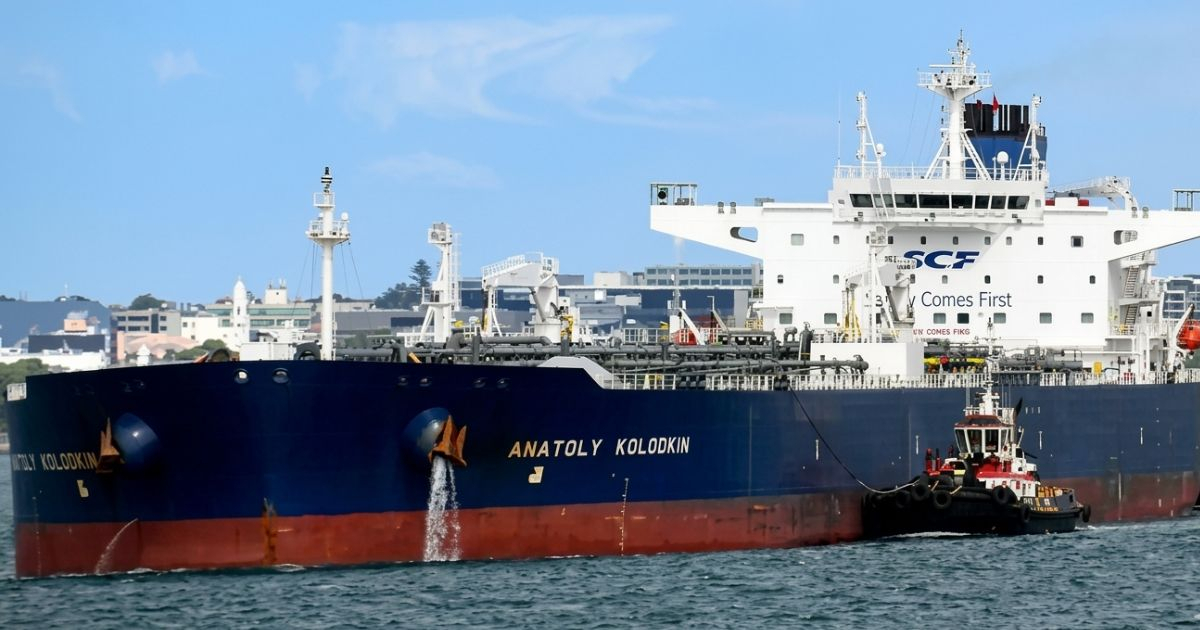
In March-April, Russia sent the tanker Anatoly Kolodkin with around 100,000 tons of crude oil, enough for only seven to ten days of consumption.
The Cuban Minister of Energy and Mines, Vicente de la O Levy, admitted that Cuba needs eight fuel ships per month to meet its basic needs, and that the country distributes only 800 tons of diesel daily, half of the 1,600 necessary for normal operations.
The Russian ambassador in Cuba, Víktor Koronelli, stated in May that Moscow would continue supplying oil to the island, but urged other allied countries to join in the effort.
Related videos:
Filed under: