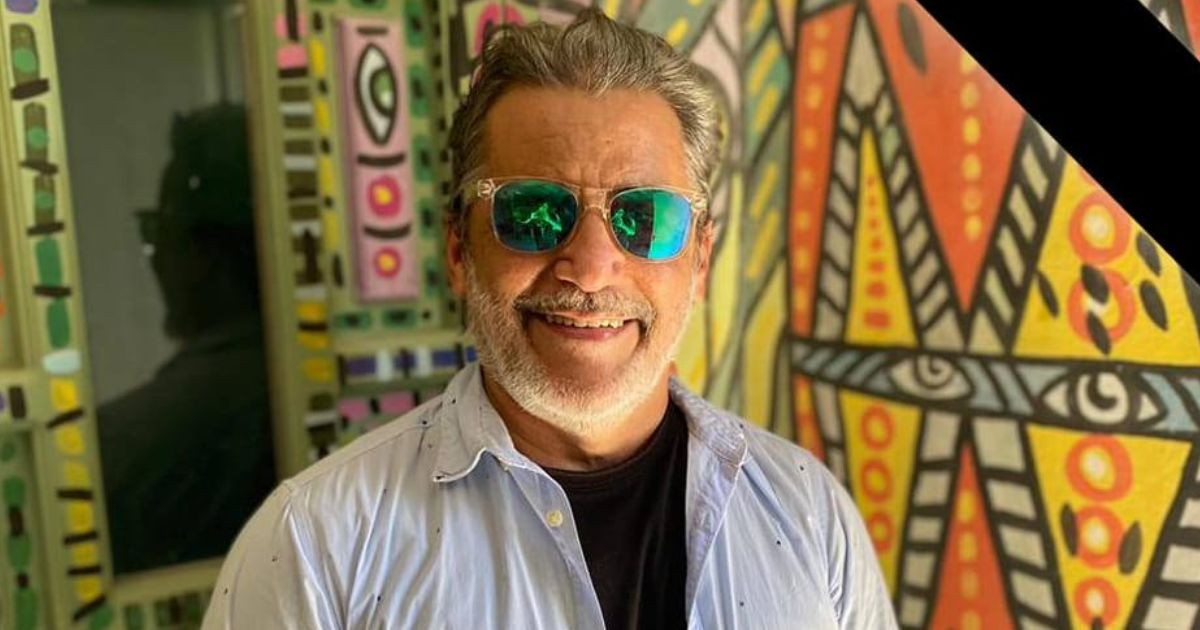
The Cuban intellectual Julio César González Pagés launched a strong critique this Saturday against the discourse of "creative resistance" amid the crisis affecting the Island, and questioned the ongoing talk of endurance while many people face prolonged blackouts, shortages of water and food, sick individuals without medications, and significant emotional stress.
"I do not believe in the empty creative resistance of those who are unaware of entire days of blackouts, lack of water and food, sick individuals without medication, and the strain on mental health," wrote González Pagés in a Facebook post, in which he confessed to feeling low in spirit for several days when it comes to writing about the Cuban reality.
His message stems from a straightforward idea: for him, living in Cuba and witnessing what he describes as the "destruction" of the country is disappointing, especially amid a polarization where, in his view, ideological discourse and the search for culprits end up overshadowing the daily lives of people.
González Pagés was even harsher when referring to those who promote the idea of resistance from comfortable positions. “The happy fat ones in shirts and hats will one day pay for the structural damage they caused to a nation that was not allowed to choose another option and path,” he stated.
The reference to "creative resistance" directly touches on one of the concepts used for years by Cuban leaders to present the ability to endure the crisis as a political response.
The Cuban leader Miguel Díaz-Canel acknowledged in June that "resistance alone is not enough" (although he has been one of its strongest advocates) and then spoke about the need to transform, produce more, and eliminate internal obstacles.
In her new publication, González Pagés also stated that she does not plan to leave Cuba. "I will not leave Cuba for anywhere," she affirmed, and noted that she plans to travel to Morocco in the second half of 2027.
The intellectual concluded that part of his reflection with a dark metaphor about the national future: "This ship/island will sink before the history will tell of the new course that the surviving frogs will take."
But the intellectual did not direct his criticisms solely towards Cuba. He also questioned a segment of the exile community and emigration that, in his words, enjoys watching the U.S. government “tighten and suffocate” the entire population as a punishment for the Cuban authorities, whose leaders and close associates, he pointed out, do not suffer the same hardships.
This questioning of certain sectors of the diaspora had already emerged in previous interventions. At the end of June, González Pagés criticized Cuban emigrants in Spain who accuse those remaining on the Island of cowardice and reminded that some had previously enjoyed privileges linked to the very system they now attack from abroad.
Weeks later, he once again highlighted the differences between the elite and the average Cuban by commenting on the figure of Raúl Guillermo Rodríguez Castro, "El Cangrejo". González Pagés then contrasted the world of privilege surrounding Raúl Castro's grandson with the reality of people who live without medicine, food, water, or electricity.
Related videos:
Filed under: