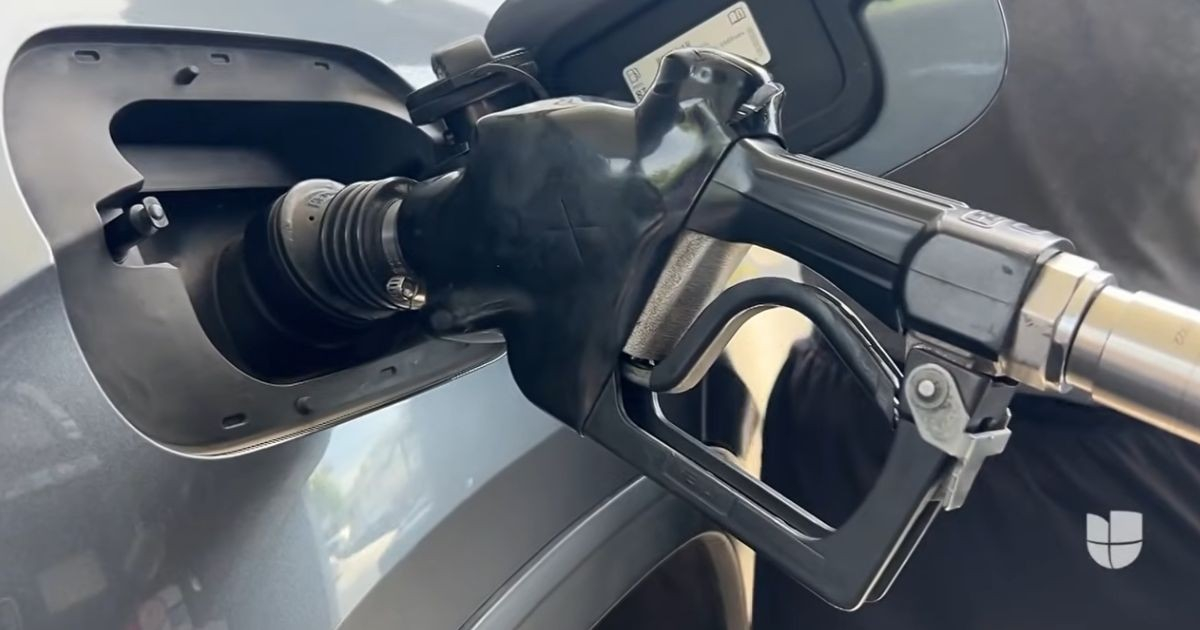
The average price of regular gasoline in Florida decreased by just one cent per gallon this week, now standing at $3.87, according to the weekly report from AAA - The Auto Club Group published this Monday.
The drop, which brought the average down from $3.88 to $3.87, occurred in a paradoxical context: the price of crude oil rose simultaneously, closing on Friday at $82.40 per barrel, an increase of $4.22 compared to the previous week, equivalent to a 5% rise.
"Florida drivers experienced a slight relief at the gas stations last week, even though oil prices rose," noted Mark Jenkins, spokesperson for AAA - The Auto Club Group.
Jenkins warned, however, that this relief could be short-lived: "If crude oil prices remain high, drivers could once again face upward pressure on gasoline prices."
The futures of gasoline also saw an increase of twenty cents compared to the previous week, reinforcing the spokesperson's warning about potential upcoming hikes.
While Florida dropped one cent, the national average moved in the opposite direction: it rose five cents during the same week, reaching $4.07 per gallon this Sunday, which means drivers in the state are paying about twenty cents less than the rest of the country.
Within Florida, regional differences are significant. The most expensive markets are West Palm Beach-Boca Raton, at $4.07 per gallon, followed by Fort Lauderdale and Naples, both at $3.87. At the opposite end, Panama City offers the lowest price in the state at $3.46, followed by Pensacola ($3.67) and Crestview-Fort Walton Beach ($3.69).
The current price, while representing a significant improvement compared to the highs of the year, is still considerably higher than it was twelve months ago. In May 2026, gasoline in Florida reached $4.34 per gallon due to geopolitical tensions in the Middle East, and has since gradually decreased.
At the end of July, prices in South Florida remained above the state average, with West Palm Beach and the Keys exceeding $4.10 per gallon.
Compared to the same period last year, the gallon today costs 79 cents more, a difference that reflects the accumulated impact of volatility in global energy markets during 2026.
AAA recommends that drivers combine errands to reduce time behind the wheel, look for the best prices through mobile apps, pay in cash—since some establishments charge a fee for card payments—and keep the vehicle in good condition to optimize fuel consumption.
Related videos:
Filed under: