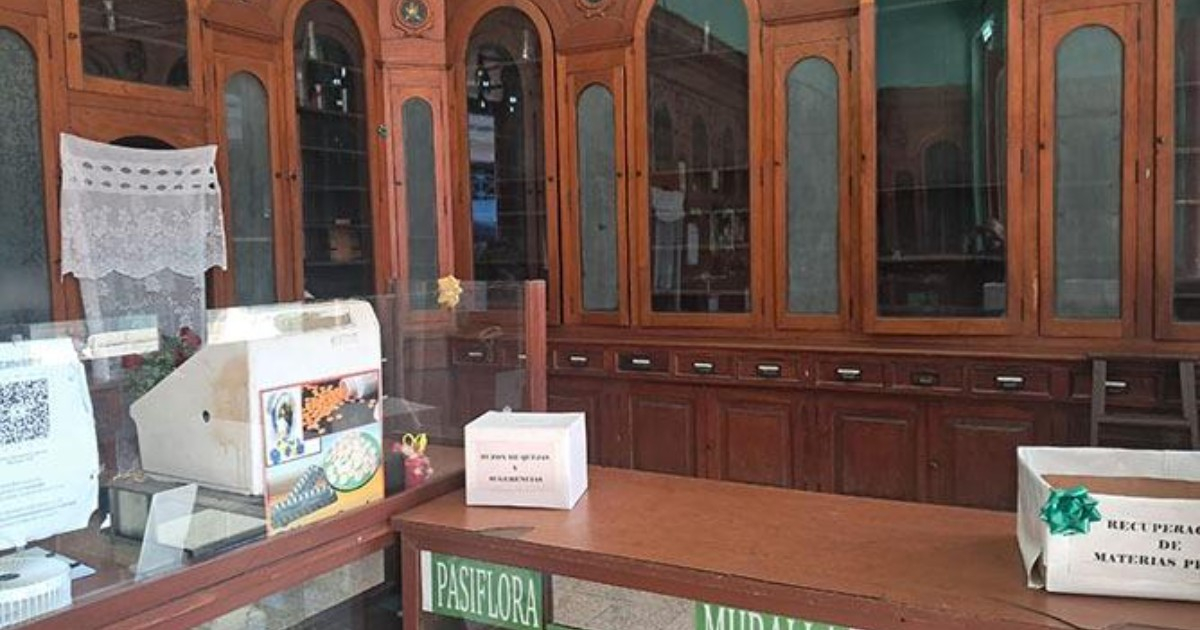
The medication crisis has reached extreme levels in Ciego de Ávila, where the healthcare network operates stably with only around 60 drugs, equivalent to 10% of the national basic drug list, while 457 medications remain unavailable in the province's warehouses.
The figures were reported at the beginning of the month by the official newspaper Granma, which detailed that the basic drug list is composed of 603 medications, of which 306 are in deficit and another 151 cannot be distributed due to logistical problems and a lack of fuel.
The situation affects more than three-quarters of the basic inventory and forces the provincial healthcare system to prioritize stock, strengthen inventory controls, and, when possible, resort to treatment substitutions.
The shortage extends to essential medications such as antibiotics, antihypertensives, sedatives, anticonvulsants, and cardiological drugs, products that patients with acute and chronic illnesses depend on.
The situation is also critical among controlled substances. Of the 84 included in that group, which is intended for some of the most sensitive therapies, 47 are not available and others arrive in insufficient quantities to meet demand.
María Fernández Martínez, general director of the Provincial Company of Pharmacies and Optics in Ciego de Ávila, stated that the Cuban medical-pharmaceutical industry has productive capacity, but identified the lack of raw materials and packaging necessary to complete manufacturing as the main obstacle.
"Without those supplies, even the most efficient factory cannot complete the cycle," the official stated.
The official discourse once again primarily blamed the U.S. embargo for the shortages.
However, the report itself acknowledges that 151 additional medications do not reach the warehouses due to internal logistics and fuel limitations, issues that add to the productive and supply deficit.
The situation in Avila is even worse than the serious outlook recently acknowledged at the national level. Miguel Díaz-Canel admitted this month that only 30% of the essential medication inventory is available in Cuba, meaning that seven out of ten essential drugs are missing.
On the other hand, the shortage in the state network coincides with the recent authorization of private pharmacies in Cuba, where some medications that are in short supply in the public system are already available at prices in the thousands of pesos.
In a store in Havana, for example, a children's cephalexin was offered for 2,000 CUP, while other syrups, vitamins, and pharmaceutical products were priced between 1,000 and 3,000 CUP.
Related videos:
Filed under: