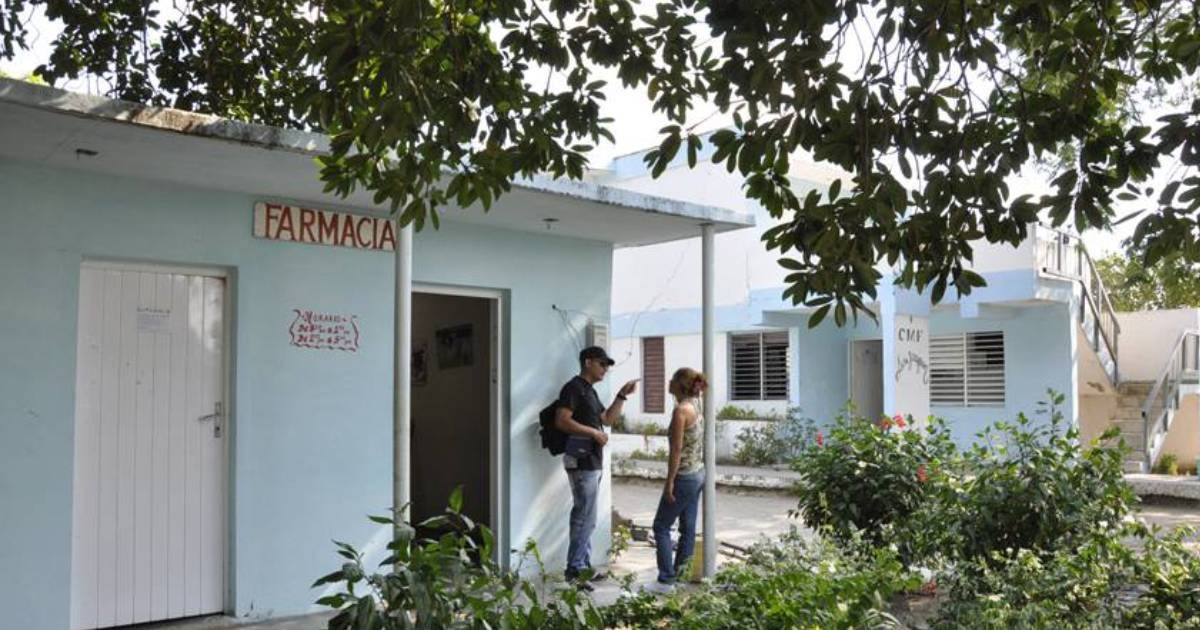
Miguel Díaz-Canel provided figures on Monday regarding a reality that Cubans have been enduring for years in pharmacies and hospitals: only about 30% of the essential medication list is available on the island.
The data indicates that seven out of ten essential medications are absent, amid a crisis that also leaves nearly 100,000 people waiting for surgery and deprives thousands of cancer patients of adequate treatment.
The figures were presented by the ruler during the I International Colloquium "Fidel: Legacy and Future," held at the Palco de Convenciones in Havana, an event organized for the centenary of dictator Fidel Castro, which was attended by foreign delegates, as reported by the Presidencia de Cuba.
In that political scenario, Díaz-Canel acknowledged a particularly serious health situation.
But the shortage in pharmacies is just one part of the problem.
According to figures provided by the president himself, 98,500 patients are currently waiting for a surgical intervention in Cuba, including about 12,000 children.
Díaz-Canel acknowledged that many of these procedures could be carried out in the country, but are not being conducted due to a lack of resources and the energy issues affecting hospitals.
"We are lacking resources, we lack the energy to power the operating rooms," he said.
The situation affects some of the most vulnerable groups.
About 34,000 expectant mothers are not receiving the necessary prenatal ultrasounds, while approximately 67,000 children under one year old are behind on their immunization schedule, according to figures presented by Díaz-Canel.
The outlook is equally concerning among cancer patients.
Around 117,000 adults and 1,200 children with cancer lack adequate primary treatments. Another 16,000 patients face difficulties in receiving radiation therapy, and 12,400 require chemotherapy.
Also, the services provided to approximately 3,000 patients undergoing hemodialysis are at risk.
Behind those numbers are suspended or delayed treatments, diagnoses that don't arrive in time, and families forced to search for medications and supplies both within and outside Cuba to compensate for the shortcomings of the state health system.
"Deaths of children that could have been saved"
One of the most alarming facts acknowledged by Díaz-Canel was the deterioration of infant mortality, which for decades was showcased by the Cuban government as one of the main achievements of the Revolution.
The official acknowledged that the indicator has nearly doubled compared to the rates of between 4 and 5 per thousand live births recorded over the years.
“At the moment, it is over 9.8, which signifies children’s deaths that could have been prevented,” he acknowledged.
The phrase is particularly significant because it acknowledges that some of those childhood deaths could have been prevented.
The crisis of medications and hospital services did not start now. In recent years, it has become common for reports from Cubans to emerge regarding the unavailability of antibiotics, pain relievers, medications for chronic illnesses, or essential supplies for interventions and treatments.
Requests for help on social media have also multiplied to obtain everything from basic medications to disposable materials, medical equipment, or resources for cancer patients.
At the end of 2024, there were more than 460 essential drugs missing, and throughout 2026, provincial authorities have continued to acknowledge deficits of hundreds of medications.
Díaz-Canel once again holds the United States responsible
Despite the seriousness of the figures, Díaz-Canel once again attributed much of the deterioration to the U.S. embargo, which he described as a "calculated genocide."
Her intervention, however, overlooked other factors that have accompanied the deterioration of the Cuban healthcare system for years, including the lack of investment and maintenance, management issues, deterioration of infrastructure, and the inability of the national industry to reliably provide the medications that the population needs.
The President himself stated that Cuba has the capacity to produce some of those medications, although he acknowledged that they are currently not reaching patients.
The Cuban healthcare system has been declared "on the brink of collapse" by the Minister of Public Health, José Ángel Portal Miranda, in February of this year, and the WHO issued a on the island in March.
Related videos:
Filed under: