Cuban universities will begin the 2026-2027 academic year on September 1st, but they will do so with fewer in-person classes, activities moved to the municipalities, and a greater reliance on distance learning due to the severe fuel and transportation crisis facing the country.
The Ministry of Higher Education (MES) itself acknowledged in an informative note that the course will begin "amid a national scenario marked by the worsening fuel shortage situation in the country."
Although the organization once again attributed the difficulties to the U.S. embargo, universities have been adapting their operations for months to cope with power outages, lack of transportation and fuel, and connectivity issues affecting both students and professors.
Undergraduate training will continue through hybrid and distance learning modalities, with periods of physical attendance dependent on available resources. The Ministry of Education acknowledged that the organization applied during the previous semester will be maintained "essentially."
One of the main measures will be to bring academic activities closer to the municipalities where the students live. The Municipal University Centers (CUM) and the Municipal University Branches (FUM) will take on some of the administrative procedures and teaching activities. In the course organized in meetings, attendance will be reduced to once a month.
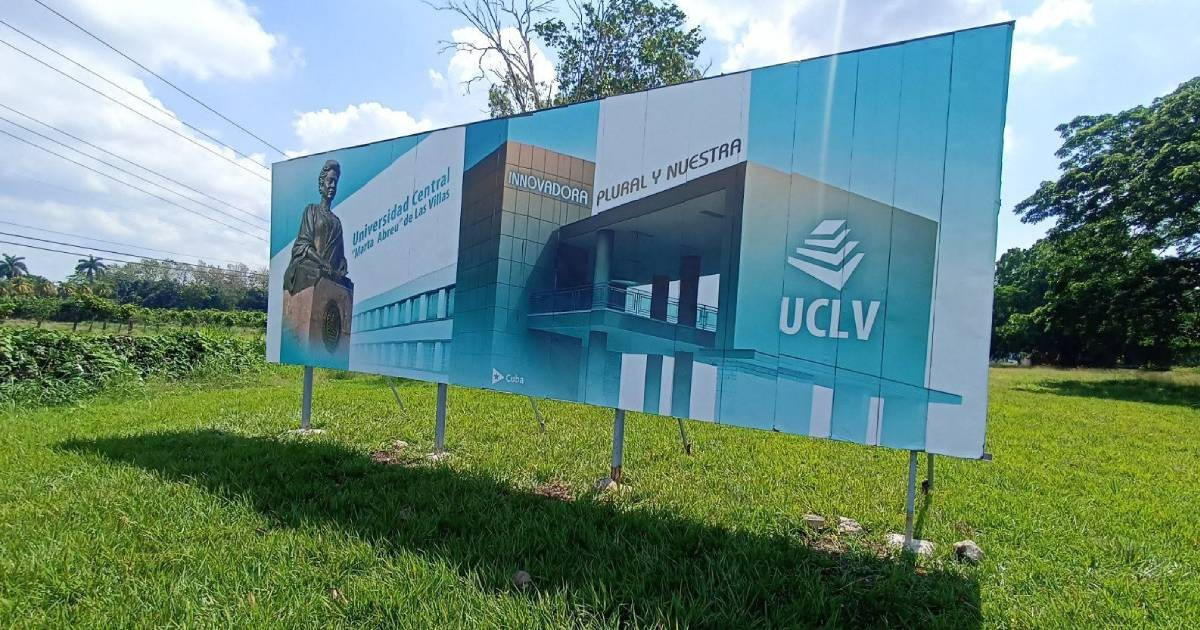
Several universities have already published their calendars. The University of Camagüey opens enrollment from August 26 to September 18, with first-year classes starting on September 1 and for continuing students on September 7. The University of Guantánamo is accepting enrollment from August 25 to September 15. The University of Artemisa allows in-person registrations from August 24 to August 28. The Agricultural University of Havana has enabled online enrollment starting this Sunday. The Central University "Marta Abreu" of Las Villas has called for enrollment confirmation from August 20 to September 21, with a warning that those who do not confirm will be dropped.
The University of Matanzas is organizing alternate blocks: first and second year students will attend the main campus from September 1 to September 19, while third and fourth year students will do so from September 21 to October 9.
In Sancti Spíritus, the university plans to organize weekly gatherings for students coming from distant municipalities and accommodate them in a residence located in a "protected circuit," with the aim of ensuring electricity and connectivity, explained the rector Edelvy Bravo Amarante to Radio Sancti Spíritus.
The new semester arrives after months of significant disruptions in higher education. In February, the University of Havana temporarily suspended in-person classes, and in March, students protested on its steps due to prolonged blackouts, transportation difficulties, and issues accessing the internet.
In the previous term, the fuel shortage forced the Ministry of Higher Education to end the academic year early, readjust the entrance exam calendar, and send thousands of boarding students back to their home municipalities from various universities across the country.
Despite this scenario, the MES concluded its statement by affirming that "Higher Education reaffirms its commitment to the Revolution," while thousands of university students prepare for another semester affected by power outages, transportation issues, and increasingly limited in-person attendance.
Related videos:
Filed under: