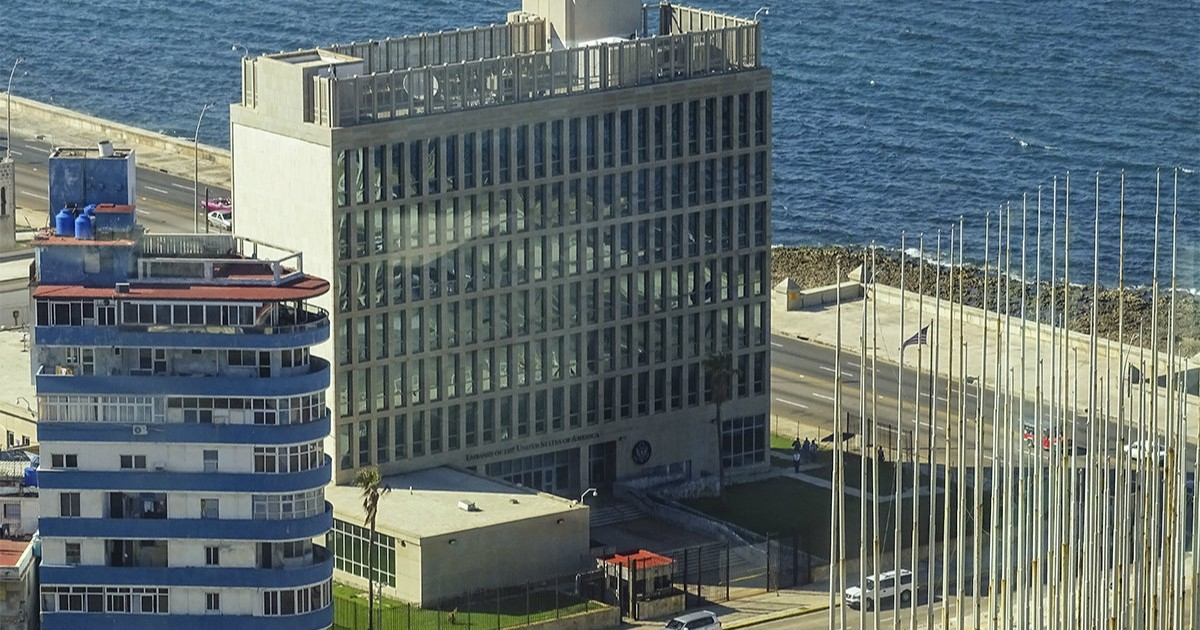
The U.S. Embassy in Havana issued a health alert this Friday to its citizens regarding the increasing deterioration of water supply in Cuba, the prolonged blackouts, and the risks that both issues may pose to health and safety.
In the notice, the diplomatic mission warned that "the water distribution infrastructure in Cuba is increasingly unstable" and stated that it is aware of reports from residential neighborhoods that have gone through long periods without receiving water from municipal or public sources.
The Embassy linked the water situation to the island's electricity crisis and attributed both issues to what it described as "poor management of public infrastructure by the regime".
According to the alert, in many places, water only reaches homes when there is electricity for long enough to keep the pumping systems operational.
The diplomatic representation also noted that press reports indicate that wells are drying up in various regions of the country due to the drought, which further complicates the search for alternative sources to address the deficiencies in public supply.
"The lack of water, along with the scarcity of electricity that has disrupted the cold chains, can pose significant challenges to health and safety," warned the Embassy.
In light of this situation, he urged American citizens currently in Cuba or planning to travel to the island to take precautions and prepare for extended interruptions of water and electricity.
Among the recommended measures are keeping phones and portable batteries charged, having flashlights and spare batteries available, storing enough drinking water, water for personal hygiene, and non-perishable food, and planning alternatives for medical needs that rely on electricity.
The Embassy placed special emphasis on individuals who use electric medical devices or medications that require refrigeration, given the possibility that service interruptions may hinder their proper storage or usage.
He also recommended following information from local media and the Electric Union (UNE), staying in touch with family and friends, consulting with insurance companies about medical evacuation options, and registering for the U.S. program Smart Traveler Enrollment Program (STEP).
The warning issued this Friday continues a series of alerts issued by the U.S. representation throughout 2026 as the crisis in basic services in Cuba has worsened.
On July 6th, following a complete disconnection of the National Electroenergy System, the Embassy alerted about the electrical collapse and the interruptions of internet and cellular phone service.
On that occasion, he once again recommended storing water and food, keeping devices charged, and being prepared to address medical needs without electricity.
Previously, in May, another alert warned about the prolonged blackouts and the protests recorded in Havana.
The notice indicated that power outages directly affected the supply of water, refrigeration, and communications.
Also in March, after a nationwide blackout, the diplomatic mission urged its citizens to prepare for prolonged outages and warned that the increasing instability of the electrical grid was jeopardizing basic services, including water supply.
Related videos:
Filed under: