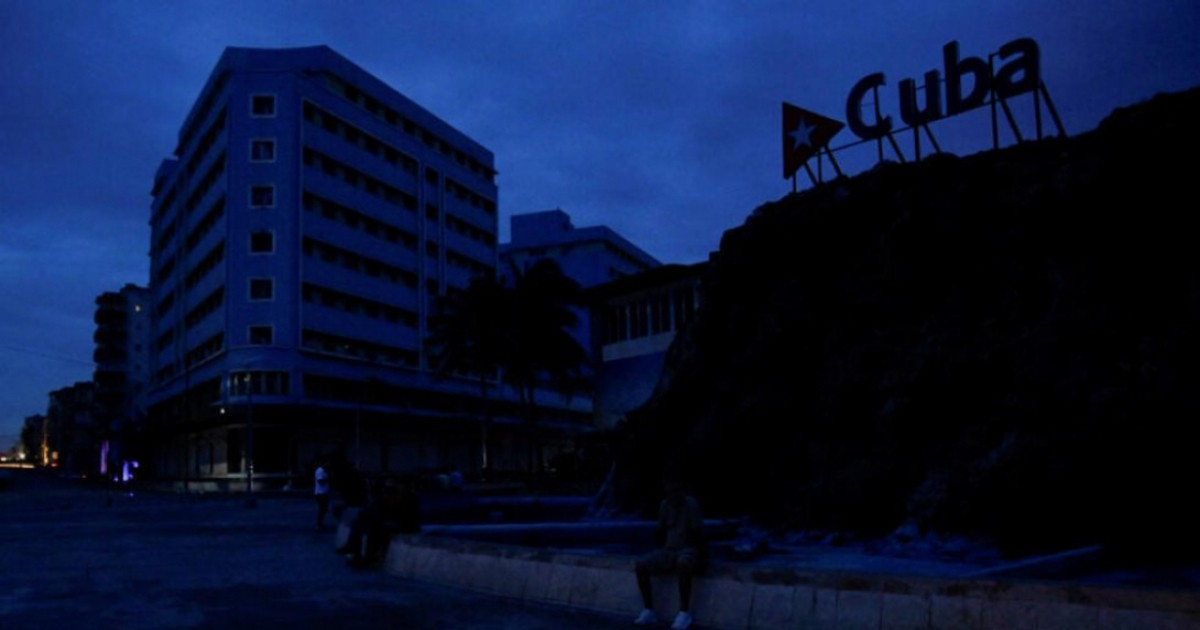
Residents of N street in Vedado, Havana, staged a protest with pots and pans this Sunday after going without electricity for over 24 hours, as reported on social media by Cuban journalist Mag Jorge Castro.
"Protest now in Vedado. Pan protest on N Street. More than 24 hours without electricity," Castro wrote on X.
The protest occurs amid a wave of discontent shaking the Plaza de la Revolución municipality this weekend.
On that same Sunday, residents of El Fanguito —also in Plaza de la Revolución and just a few meters from Vedado— once again took to the streets for the second time in a month, with around fifty people, mostly women, in front of a large deployment of police and special forces that cordoned off part of the area.
The immediate precursor to the protests in El Fanguito was on July 30, when its residents blocked Avenue 23 after more than 48 hours without electricity, water, or gas.
The day after that demonstration, State Security arrested two mothers linked to the protest, a retaliation that did not succeed in quelling the discontent.
Also this Sunday, residents of Lawton reported blackouts lasting almost 48 hours in circuit A465, which covers the area between 8th and 16th streets and is supplied by the Apolo substation in Arroyo Naranjo.
The "cacerolazo" on Street N is not an isolated event: Vedado has seen similar protests almost every month since March 2026, with documented episodes on March 6, 15, 18, 22, and 23; April 17; May 13; June 3 and 24; and July 2, 12, and 17, when residents took to the streets after over 30 hours without electricity.
The backdrop to all these protests is a structural electricity crisis that the regime has been unable to resolve.
This Sunday, the Electric Union reported an availability of only 1,022 MW against a generation deficit of 1,805 MW in the National Electric System.
During August, Cuba experienced at least seven total collapses of the electrical system so far in 2026, including two in less than 48 hours on August 2 and 3, with peak deficits reaching 2,411 MW.
In some interior areas, power outages exceeded 72 and even 87 consecutive hours, while the regime attributes the crisis to the U.S. embargo, and independent media point to obsolescence and poor management of the energy system as the main causes.
Related videos:
Filed under: