A Cuban expatriate in Brazil identified as Danay shared an emotional testimony about her son's school experience in that country, just as the school year 2026-2027 begins in Cuba this Tuesday amid a profound crisis.
"There are things that may seem normal to some, but for a Cuban mother, they mean a lot," wrote Danay.
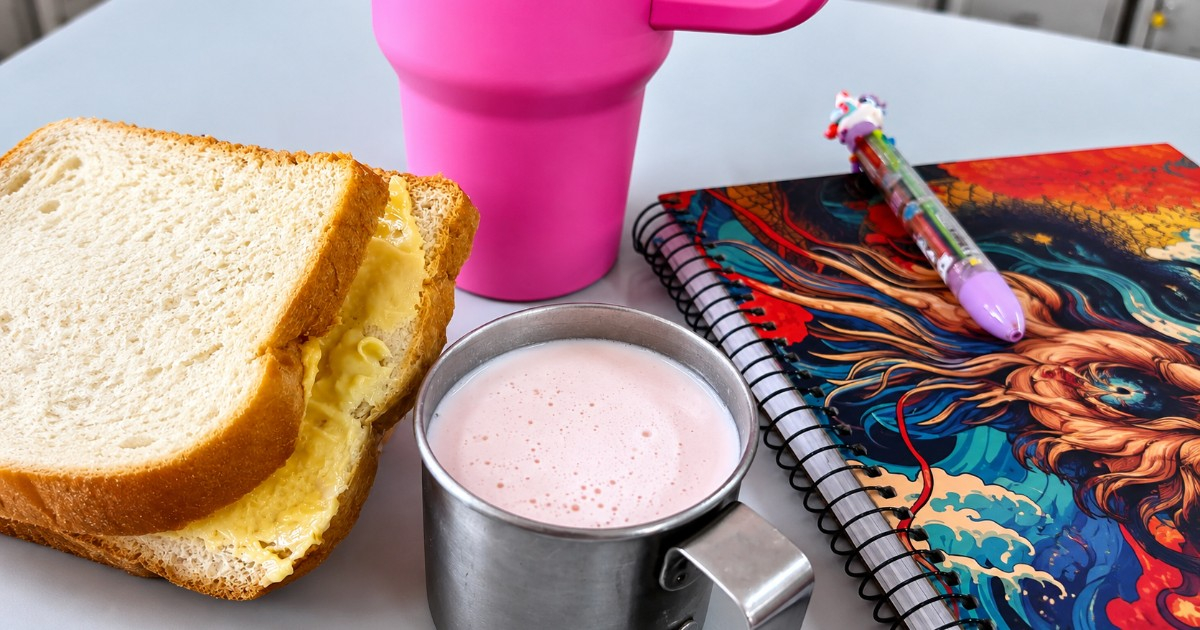
His son receives breakfast, lunch, and snacks at the Brazilian public school at no cost, along with all the school supplies he needs, in classrooms that he describes as clean and well-maintained.
The contrast with Cuba is striking. Danay states that in the island, the school lunch at the semi-boarding school has a monthly fee of seven Cuban pesos, but the quality of the food is deplorable, and almost half of the children do not even have access to that service.
"I do not write this to compare which country is better or worse. Every country has its problems and its realities. What I want to emphasize is the concern here to ensure that a child can be in school and receive their meals, regardless of their family's economic situation. As a mother, that touches my heart," she said.
According to data from the World Food Programme cited in August, 48.5% of Cuban students aged six to 11 do not receive any meals or snacks at school.
Guaranteeing only breakfast and a snack for a school child can exceed 10,000 Cuban pesos monthly for a family, according to recently published calculations, a figure that far surpasses the average income on the island.
The Minister of Education herself admitted that ensuring school meals for the new academic year would require a "tremendous effort," while the Communist Party described the start of classes as "another act of heroism".
In Brazil, on the other hand, free school meals have been guaranteed by law since 2009 through the National School Feeding Program (PNAE), which serves over 40 million students in nearly 150,000 public schools across the country.
Danay's testimony triggered an avalanche of reactions from other emigrated Cuban women who shared similar experiences.
A user wrote: "I was a teacher in Cuba, and many times I had to say 'eat it, my love, it’s delicious' when to human eyes it was inedible, and here in Brazil my girls have everything, and for free without having to pay a real."
Another commentator described that her daughter at daycare is provided with breakfast, a snack, lunch, an afternoon snack, and even dinner if she is not picked up before five in the evening, in addition to a free backpack and a daily communication diary for parents.
A Cuban woman who has been in Brazil for two years summarized her experience like this: "I have never bought even a pencil. By the way, today they gave school jackets to all the students at my son's school."
The most powerful reflection came from another reader: "It’s not about comparison; I believe it's about opening many eyes that have been closed for 67 years. Here, they proudly claim... Education and Healthcare are free. At what cost? Here in Cuba, it's free, yes, but there isn't even the basics."
This emotional shock is experienced by thousands of Cuban families settled in Brazil, a destination that has grown considerably. In 2025, there were registered 41,919 asylum requests from Cubans, an increase of 88% compared to the previous year, with between 100,000 and 150,000 Cubans currently residing in that country.
Related videos:
Filed under: