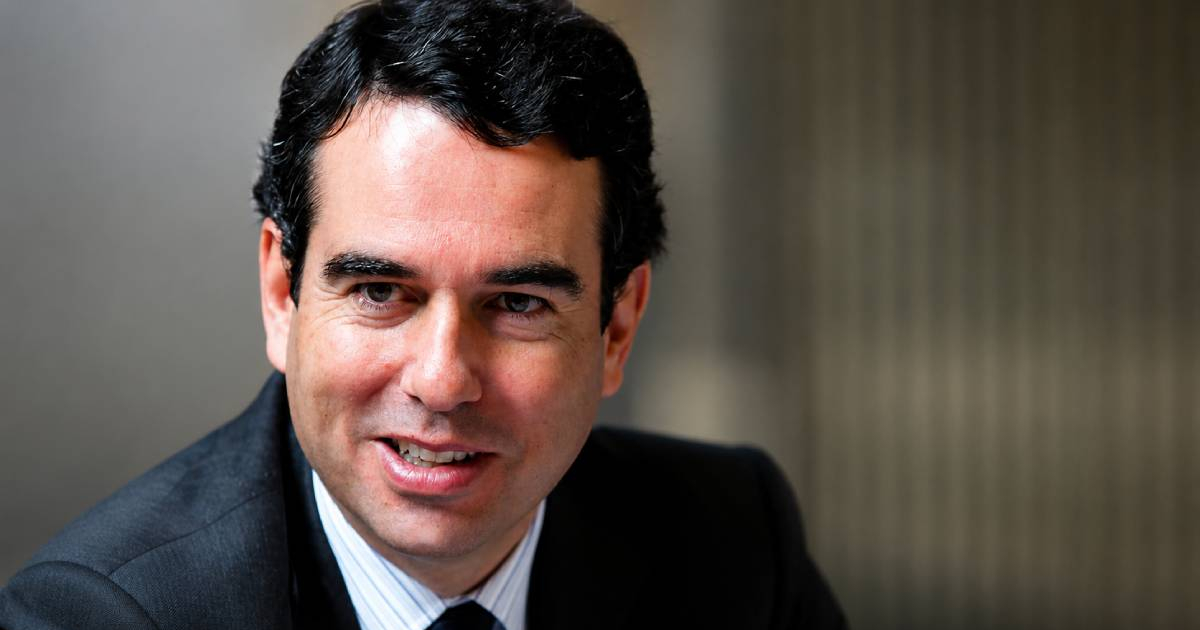
Alto Cedro International Finance, the company of Spanish businessman Javier Botín, which operates in Cuba, has had to renegotiate the terms of the loans granted to its clients on the island due to the economic crisis in the country.
A report by The Objective, based on the company's 2025 annual report, indicates that the firm entered into various agreements aimed at "flexibilizing the payment schedule by substituting fixed principal and interest amortization payments with a variable monthly payment, capped at an initial reference payment."
The information appears in the section regarding events occurring after the close of 2025. For the time being, these modifications have not resulted in debt reductions, cancellation of guarantees, or waivers or reductions of the original amounts.
However, the company has recorded, for the first time, a deterioration in part of its loan portfolio in Cuba, amounting to half a million euros.
The crisis that prompted these measures was triggered in early 2026, following the capture of Nicolás Maduro by U.S. forces on January 3 and the subsequent cutoff of Venezuelan oil supply to Cuba, mandated by Washington.
That energy blow led to the collapse of fuel and electricity services. Subsequently, the collapse of tourism intensified, a vital sector for the Cuban economy, and restrictions on access to foreign currency and international payment mechanisms imposed by the Trump administration arrived.
Alto Cedro concentrates the majority of its operations in Cuba, making it one of the foreign financial entities most exposed to the deterioration of the island. Javier Botín and the company's managers —Alfredo Soriano Fraguas and Gabriel Robledo Gómez— have been monitoring the situation and its potential impacts on the business for months.
In July, the major Spanish hotel chains —Meliá, Iberostar, and Barceló— completely halted their operations on the island due to American pressures. Meliá closed its 34 hotels, bringing an end to 36 years of presence in Cuba, and Iberostar announced the total cessation of operations just days earlier.
The regulatory context under Trump puts pressure on Alto Cedro
In May 2026, Spanish banks linked to operations in Cuba were preparing to exit to avoid the secondary sanctions from the U.S. Department of the Treasury arising from Executive Order 14404, signed by President Donald Trump on May 1, 2026.
The Trump administration set June 5 as the deadline for foreign companies and financial institutions to sever ties with the military conglomerate GAESA. Banco Sabadell and Alto Cedro confirmed their readiness to withdraw from Cuba before the deadline.
Alto Cedro began its presence in Cuba in 2020 as a non-banking financial institution and obtained a license as a corporate bank in July 2023, authorized to operate exclusively with legal entities.
In 2025, before the crisis erupted, the parent company had achieved its best result: 388,705 euros in profit, 60% more than the previous year, driven by the growth of financial income.
Related videos:
Filed under: