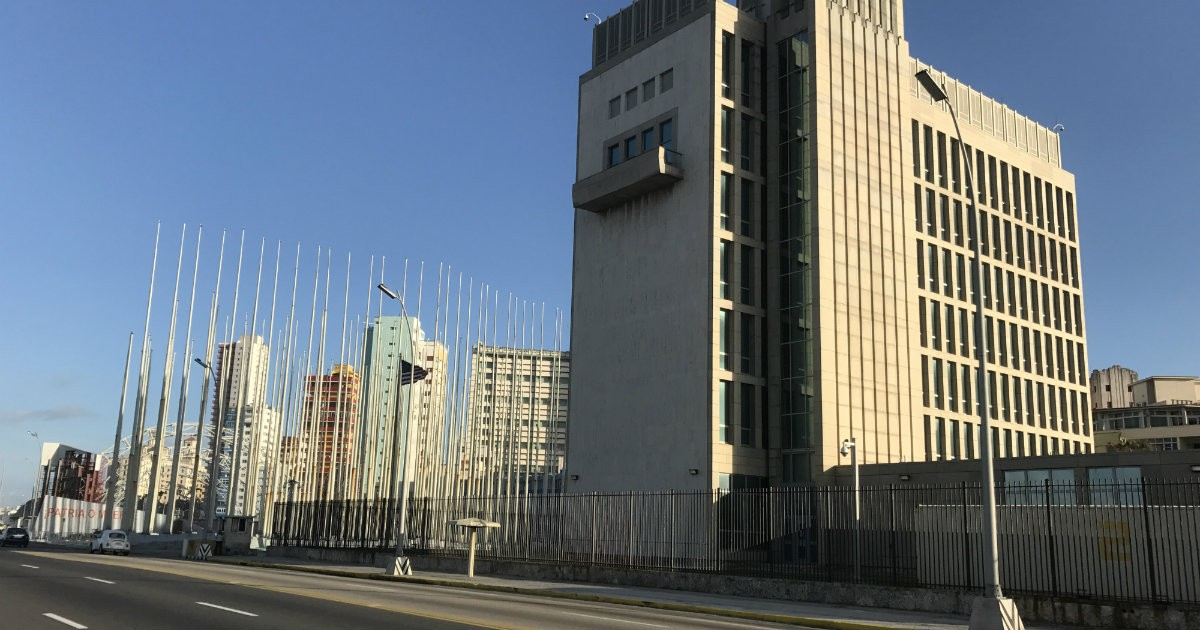
The U.S. Embassy in Havana issued an official health alert this Friday, warning of a "significant increase in diarrheal diseases throughout Cuba," attributed to the collapse of water and energy infrastructure on the island.
The diplomatic mission identified among recent cases pathogens such as E. coli, Norovirus, and Shigella, and issued recommendations regarding food safety, water consumption, and behavior in response to illness.
The alert this Friday advises seeking medical attention for "persistent or severe diarrhea, blood in stools, high fever, intense abdominal pain, repeated vomiting, signs of dehydration, or symptoms that do not improve"—a recommendation that is particularly challenging for most Cubans to follow in a country with empty pharmacies and hospitals lacking supplies.
The alert indicates that the “continuous deterioration of water and energy infrastructure” compromises both the supply of drinking water and the storage and temperature control of food.
What does the Embassy recommend?
About food, the alert warns: “Exercise caution with meat, poultry, seafood, eggs, dairy products, and other perishable foods that may have been improperly stored.”
When it comes to water, the instruction is clear: "Only use water that you know is safe to drink, brush your teeth, prepare ice, and cook."
The mission recommends bottled water with intact seals and warns that ice also poses a risk if its origin is uncertain.
About hygiene, it is necessary to note that “hand sanitizers may be less effective against certain gastrointestinal pathogens, including norovirus”, and it emphasizes the importance of washing with soap and water.
Scant medications, another obstacle
"Common medications (e.g., paracetamol, ibuprofen, antibiotics) are often in short supply in Cuba; consider bringing your own supply," the alert warns.
This warning reflects a documented pharmaceutical crisis: in 2026, only about 30% of the essential medicines are available, with 461 out of 651 drugs missing at the national level.
Biocubafarma admitted that it could not guarantee nearly 300 out of 395 medications committed to the health system.
The link between blackouts and illness is direct: the water supply system relies on 87% on the National Electric System, so each prolonged outage halts the pumping stations.
Previous outbreaks and a summer of intoxications
Throughout 2026, outbreaks of hepatitis A have been documented in at least six provinces—Matanzas, Camagüey, Pinar del Río, Ciego de Ávila, Santiago de Cuba, and Havana—all linked to water contamination and the collapse of sanitation.
On August 25, a mass food poisoning incident in Santiago de Cuba affected 52 people, with 18 hospitalized—among them two pregnant women and three minors—experiencing symptoms of vomiting, diarrhea, and dehydration.
Third alert from the U.S. Embassy in less than two weeks
This is the third alert issued by the Embassy in just one week, reflecting a pattern of rapid deterioration on the island.
On August 28, he warned that "Cuba's water distribution infrastructure is becoming increasingly unstable."
On September 1, it warned of a widespread increase in crime attributed to the "deterioration of economic conditions."
Related videos:
Filed under: