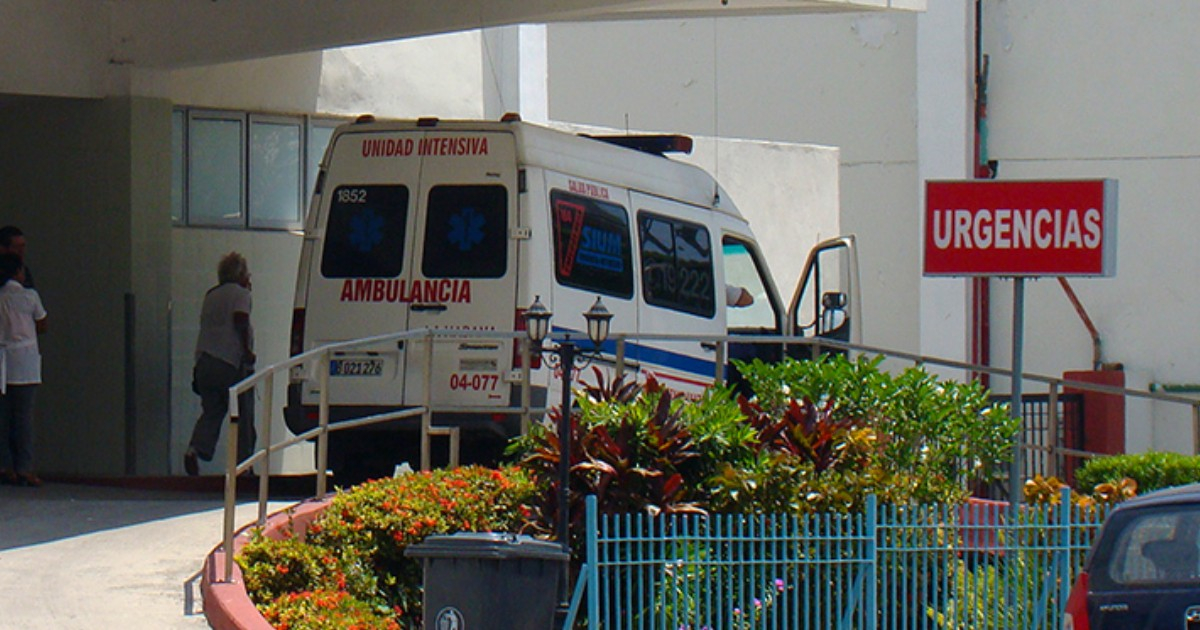
An outbreak of food poisoning affected dozens of residents in the urban center of José Martí Pérez, in Santiago de Cuba, where the clinic of the same name treated 52 patients within a matter of hours, according to an official information note from the Provincial Directorate of Public Health.
Those affected reported abdominal pain, nausea, vomiting, diarrhea, and a sensation of cramping in the mouth and hands, with several cases of mild to moderate dehydration.
Of the 52 patients, 18 were transferred to hospital institutions for closer monitoring: two pregnant women, three minors not in infancy, and 13 adults.
Health authorities specified that none of the patients were in serious or critical condition at the time of the report, although the presence of pregnant women and children among the hospitalized adds special concern to the situation.
Preliminarily, the clinical picture was linked to the consumption of food. The official note indicated that the possible source of the outbreak had already been identified, although the definitive details were still pending laboratory confirmation.
Officials from the Party, the Government, and the Health sector in Santiago de Cuba arrived at the scene once the incident became known and are maintaining, according to the statement, "close communication with specialists, in order to take the necessary measures and inform the public in a timely manner."
The episode occurs amidst a structural health crisis that has plagued the province for years. In January of this year, authorities warned about an outbreak of hepatitis A related to the collapse of the sewage system and the distribution of unchlorinated water.
In April, the provincial government itself acknowledged the deterioration of sanitation: poor environmental sanitation, high infestation of Aedes aegypti, and failures in water purification.
At the beginning of August, just weeks before this outbreak, complaints circulated about the rationed bread distributed in Cuabitas with dark spots and a distorted appearance.
The history of mass poisonings in the province is numerous. In December 2024, a child died in Santiago de Cuba presumably after consuming contaminated salami, although the cause was not officially confirmed.
In September 2025, an outbreak of diarrhea on the Manzanillo-Havana train resulted in 25 people hospitalized —20 adults and five children— attributed to contaminated snacks sold on board.
In November 2021, about 70 people were poisoned in Santiago de Cuba due to contamination of the drinking water with sewage waste.
The final confirmation of the origin of the current outbreak depends on the laboratory results that health authorities promised to disclose once the analysis is complete.
Related videos:
Filed under: