Florida has reported a total of 208 cases of dengue, according to the most recent figures from the Centers for Disease Control and Prevention (CDC), while several counties in the southern and central parts of the state are experiencing local transmission of the virus and are enhancing their mosquito control efforts.
The situation worsened this Wednesday when the Orange County confirmed its first locally acquired case of dengue, with the Health Department and the County Mosquito Control coordinating joint surveillance and spraying efforts in the Orlando area.
The Tampa Bay area has the highest number of local cases in the state, with more than 30 reported local infections. The Pinellas County, which remains under an official alert for mosquito-borne diseases, has intensified its fumigation and control efforts with door-to-door inspections and treatments using backpack sprayers, primarily focused on Palm Harbor and St. Petersburg.
"Dengue does not stop at the county borders," warned Alissa Berro, director of the Pinellas Mosquito Control Service, who explained that an infected person traveling between communities can be bitten by a local mosquito and trigger new transmission hotspots.
Hillsborough County is the most affected in the state: it had recorded 15 local cases by the end of August, with five groups of mosquitoes testing positive for dengue that month, all corresponding to Aedes aegypti, the main vector of the virus. Pasco County even deployed a helicopter to spray neighborhoods from the air during the week of August 28.
In Lee County, which includes Fort Myers and Naples, authorities have enhanced surveillance in response to cases linked to travel, although no local transmission has been confirmed so far.
Miami-Dade had reported its first infection in early August. It was a "locally acquired" case, meaning that the person was infected within the county itself, not during a trip abroad, which heightens concern among health authorities.
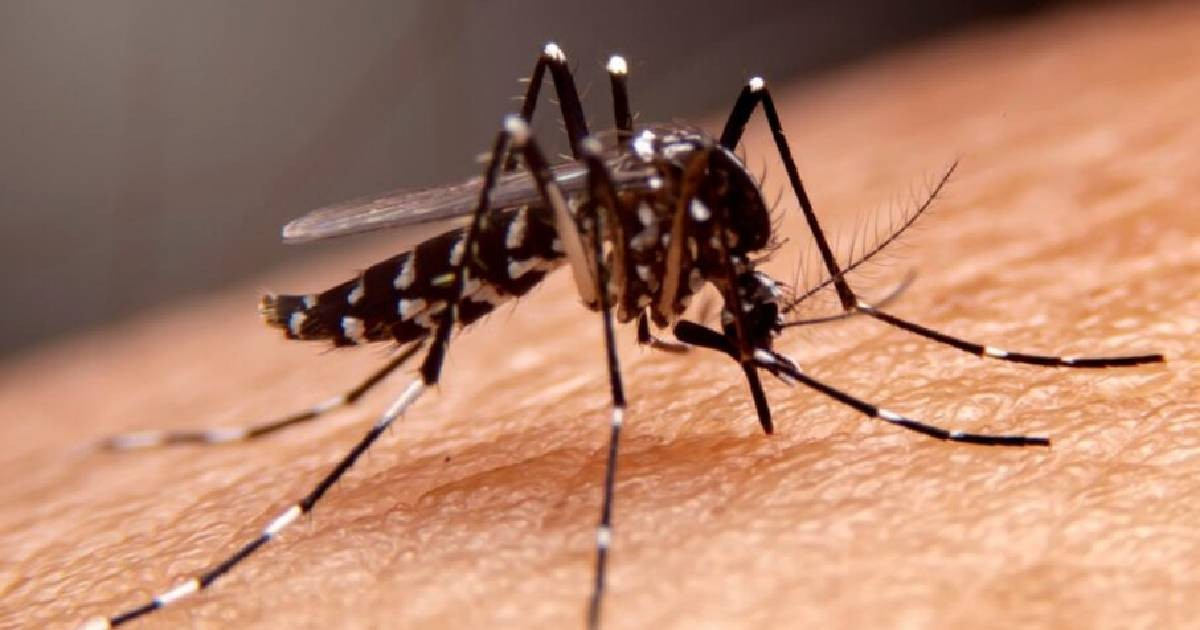
These remind us that dengue is not transmitted from person to person, but exclusively through the bite of an infected Aedes aegypti mosquito, which is mainly active during the day and can reproduce in minimal amounts of stagnant water, even inside a bottle cap.
Recommended preventive measures include removing containers with stagnant water around the home, wearing long-sleeved clothing in light colors outdoors, and applying repellents with ingredients endorsed by the CDC, such as DEET, picaridin, or IR3535.
The epidemiological situation in Cuba adds an additional risk factor for Florida. The Island, just 90 miles south of the state, is experiencing an active outbreak.
In June, the Ministry of Public Health warned about the simultaneous circulation of all four serotypes of the virus in the country, a particularly dangerous combination that increases the risk of hemorrhagic dengue. At the beginning of this month, Las Tunas reported the circulation of serotype 4, emphasizing the heightened risk for children, pregnant women, the elderly, and people with chronic illnesses.
In 2025, Cuba reported more than 81,000 infections and at least 65 deaths recognized due to dengue and chikungunya.
The flow of travelers between Cuba and Miami turns each imported case into a potential starting point for new local transmission hotspots in Florida, where the peak mosquito season extends until mid-October, when the heat and summer rains create ideal conditions for the proliferation of Aedes aegypti.
Health agencies also maintain continuous surveillance throughout the state of Florida to detect other mosquito-borne diseases: West Nile virus, Eastern equine encephalitis, St. Louis encephalitis, malaria, and chikungunya.
Related videos:
Filed under: