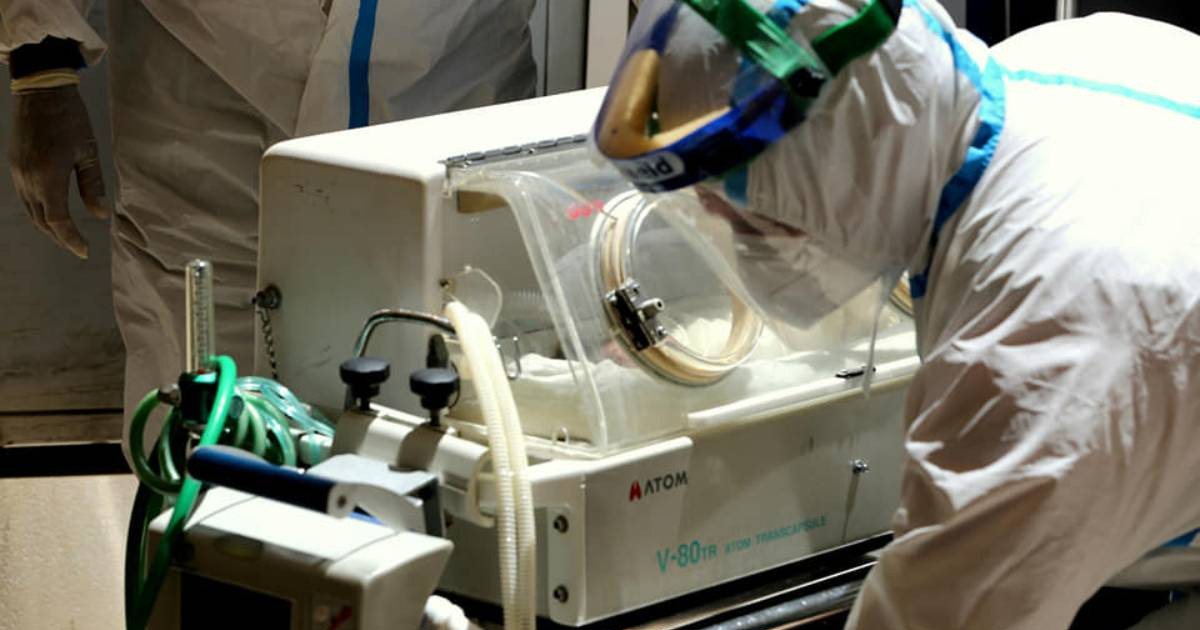
At the end of the first eight months of the year, the province of Guantánamo has recorded an infant mortality rate of 14 per 1,000 live births. This figure prompted the top leader of the Communist Party in the region to demand the urgent implementation of measures to reverse what he described as an "unfavorable" situation in the Maternal and Child Care Program.
Yoel Pérez García, First Secretary of the PCC in Guantánamo, made the call this Friday during the systematic meeting for operational and socioeconomic analysis of the province, held via audioconference with authorities from each municipality, reported the official newspaper Venceremos.
The figure significantly exceeds the national average, which closed 2025 at 9.9 per 1,000 live births—the highest level in over two decades in Cuba—according to data from the Ministry of Public Health (Minsap).
The decline in Guantánamo is not recent. In May 2025, the province recorded a rate of 13.94 deaths per 1,000 live births, nearly double the national average at that time, which was 7.1.
On that occasion, the full session of the Provincial Committee of the PCC acknowledged issues such as the "insufficient reserve of doctors in primary care" and the deteriorating condition of the Dr. Agostinho Neto General Teaching Hospital, the main healthcare institution in the province.
The political response at that time was limited to ideological formulas such as "stimulating the protagonism and participation of Party members in the daily activities of health centers," as well as "strengthening political and ideological work," without announcing any concrete material solutions.
The situation in the easternmost province of Cuba reflects a national health crisis. Deputy Prime Minister Eduardo Martínez Díaz admitted in July that health indicators have fallen to unprecedented levels.
"We had four or five cases of infant mortality, and it has now doubled precisely because of this situation," she admitted while speaking on the official television program Mesa Redonda.
In that same context, the official revealed that more than 100,000 people are awaiting surgery in Cuba, including over 10,000 children, and that the survival rate of minors with cancer has dropped from 85% to 65% due to a shortage of medications.
On the demographic scale, the impact of each child’s death is even more severe. Cuba recorded only 68,064 births in 2025, the lowest figure since 1899, compared to 136,214 deaths, with a population that has decreased to 9.4 million inhabitants.
The national infant mortality rate increased from 4.0 in 2018 to 9.9 per 1,000 live births in 2025, a 148% increase that the government itself acknowledges, but attributes to the U.S. embargo, without taking responsibility for years of heavy investment in hotel infrastructure, to the detriment of the public health system.
In 2025, the Minsap acknowledged that the country is going through "one of the most complex moments for the Maternal and Child Care Program since its inception."
In April, more than 461 of the 651 essential medicines were out of stock in state pharmacies, representing a shortfall of over 70% of the basic medicine list.
Related videos:
Filed under: