The Executive Bureau of the Provincial Committee of the Communist Party in Santiago de Cuba appointed Luis Alberto Portuondo Ortega as the new director of the official newspaper Sierra Maestra on Friday, succeeding Olga Esther Thaureaux Puertas, who is retiring after 38 years of uninterrupted work in that medium.
The announcement was posted on the official Facebook account of the newspaper, where the Bureau acknowledged the career of Thaureaux Puertas, who "held various positions in the organization, first as a writer-reporter, then as Head of Information, Editor-in-Chief, Deputy Director, and, since 2011, Director, achieving significant results in each role."
Portuondo Ortega is 34 years old and graduated in Journalism from the University of Oriente in 2015.
According to the official statement, the new director "has held various positions, from editor-reporter at the Radio Majaguabo station, journalist at the Sierra Maestra newspaper, and since 2023, correspondent for the Granma newspaper in Santiago de Cuba."
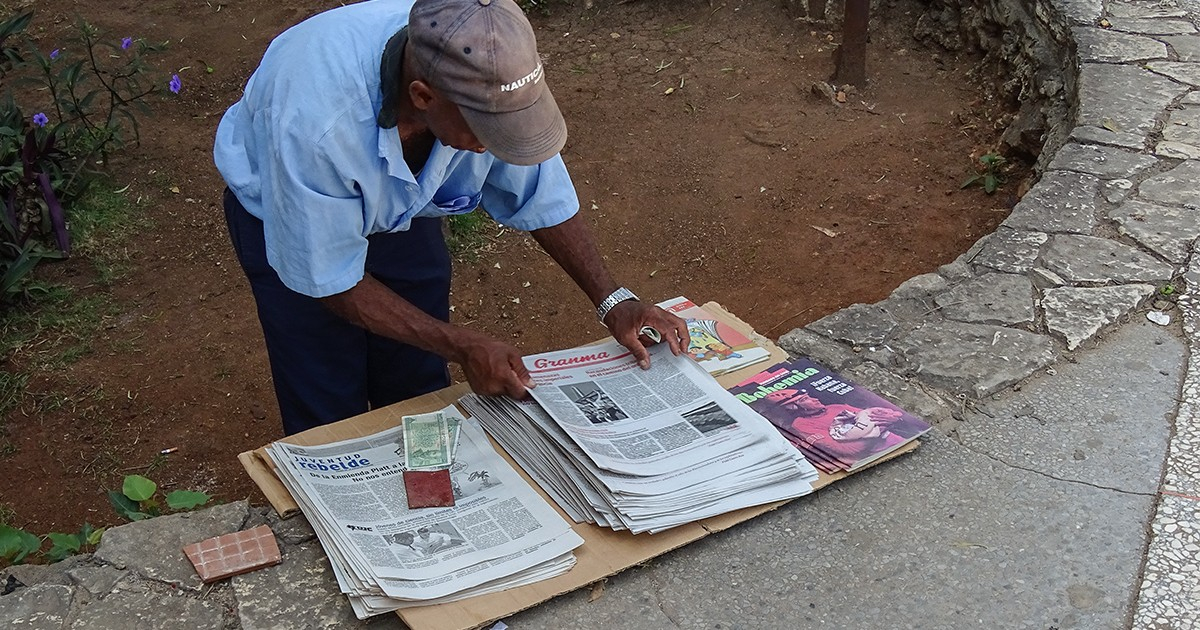
The change comes at a time of deep crisis for the Cuban state press. Since March 2026, Granma and Juventud Rebelde —the two national newspapers— have only been printed once a week, on Tuesdays, with just eight pages, following the announcement from the Political Bureau of the Communist Party in February of that year.
Provincial newspapers, including Sierra Maestra itself, ceased to circulate in printed format permanently starting that same month, with the scarcity of paper, fuel, and financial resources cited as the official justification.
The new director of the Santiago-based outlet assumes the position at a time when the official press is simultaneously facing a talent drain, a decline in university enrollment, and the deterioration of its resources.
The generational transition crisis is structural: the Faculty of Communication at the University of Havana launched an extraordinary call this week to attract students from other fields into Journalism, in light of the enrollment collapse that the program is experiencing.
Low salaries continue to be one of the factors undermining state journalism on the island. Although compensation was readjusted in July 2026, the new scale places senior journalists in press outlets with base salaries of 7,045, 7,350, and 7,735 Cuban pesos per month, which remains laughable considering the cost of living is estimated to exceed 90,000 pesos each month.
In addition to low salaries, other factors such as emigration, censorship, and disagreements with the official editorial line contribute to the abandonment of newsrooms and the diminishing appeal of a career in journalism among young people.
To further complicate matters, starting from the 2024-2025 academic year, those hoping to study Journalism must complete one year of Active Military Service, an exceptional requirement within Cuban higher education that previously applied only for access to International Relations.
The exiled Cuban journalist José Raúl Gallego described that measure as "a self-inflicted wound by the Castro regime in its effort to ensure ideological commitment over professional qualifications."
The legal framework closes off any alternative avenues for practicing the profession in official media: the Decree 160, signed by Prime Minister Manuel Marrero Cruz and in effect since last month, declares journalism an "unauthorized activity for non-state economic actors" and prohibits the creation of newspapers, magazines, news agencies, or independent media outside of state control.
Reporters Without Borders ranked Cuba in 160th place out of 180 countries in its World Press Freedom Ranking 2026, a position that reflects decades of media monopoly and repression against independent journalism.
Related videos:
Filed under: