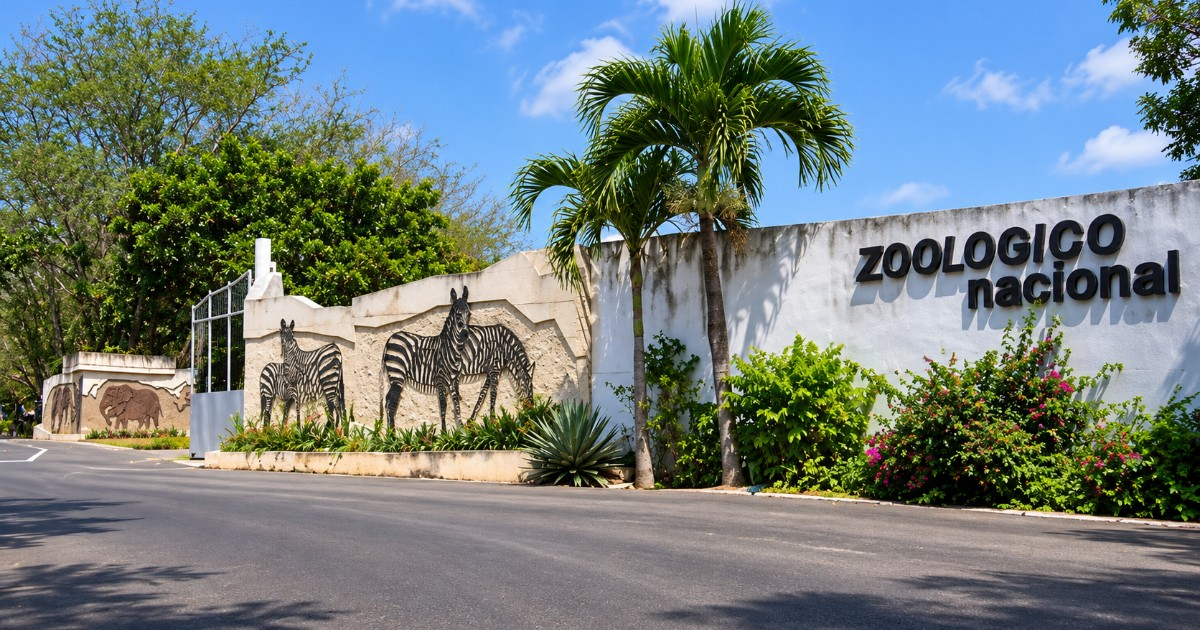
The National Zoo of Cuba has closed its doors indefinitely, according to a notice published on its official Facebook page, where the institution briefly stated that the reason is the lack of electricity and water.
The announcement did not include a reopening date nor details on any protocols to ensure the care of the over 1,500 animals of more than 100 species that the park houses at its facilities in Boyeros, Havana.
The news of the closure sparked a wave of reactions on social media
The comments from Cubans expressed a mix of sadness, indignation, and concern for the fate of the animals and the workers.
"Closing a zoo because there is no water or electricity is not just about shutting some doors. It reflects a painful reality in which even the animals end up suffering the consequences of neglect and a lack of resources," wrote a user.
Others pointed directly to institutional abandonment: "Leaving the Zoo without power and water is a criminal act against the animals and all the workers who, even without resources, continue to fight for it."
Concerns about the future of the species gathered there were recurring. "What will happen to the little animals? There is a great level of indifference towards them. Donate them to other institutions outside this country. They need to be saved," said a commentator.
This is not the first time the zoo has closed its doors
The institution has a long history of interruptions in its public services. In March 2023, it completely closed due to lack of fuel, and in October of that year, it suspended the safaris from Wednesday to Friday for the same reason.
What sets this closure apart from previous ones is the stated reason. For the first time, the park explicitly cites the lack of electricity and water as the reason for closing its gates.
Just two months before the closure, the zoo was operating with only five liters of diesel daily, a quarter of the 20 needed to transport food. Additionally, they had replaced the buses with horse-drawn carriages and electric tricycles for internal tasks.
In July 2026, four Bengal tigers were born in the park. One of them is white and is considered an extreme rarity. The caretaker Ángel Cordero described these births as "a small miracle" given the current situation.
The National Zoo, inaugurated on March 24, 1984, on a site of over 300 hectares, is the largest facility of its kind in Cuba.
"Bad decisions, indolence, and justifications erase a history of more than 40 years," summarized a user in what was one of the most shared comments under the closure announcement.
Related videos:
Filed under: