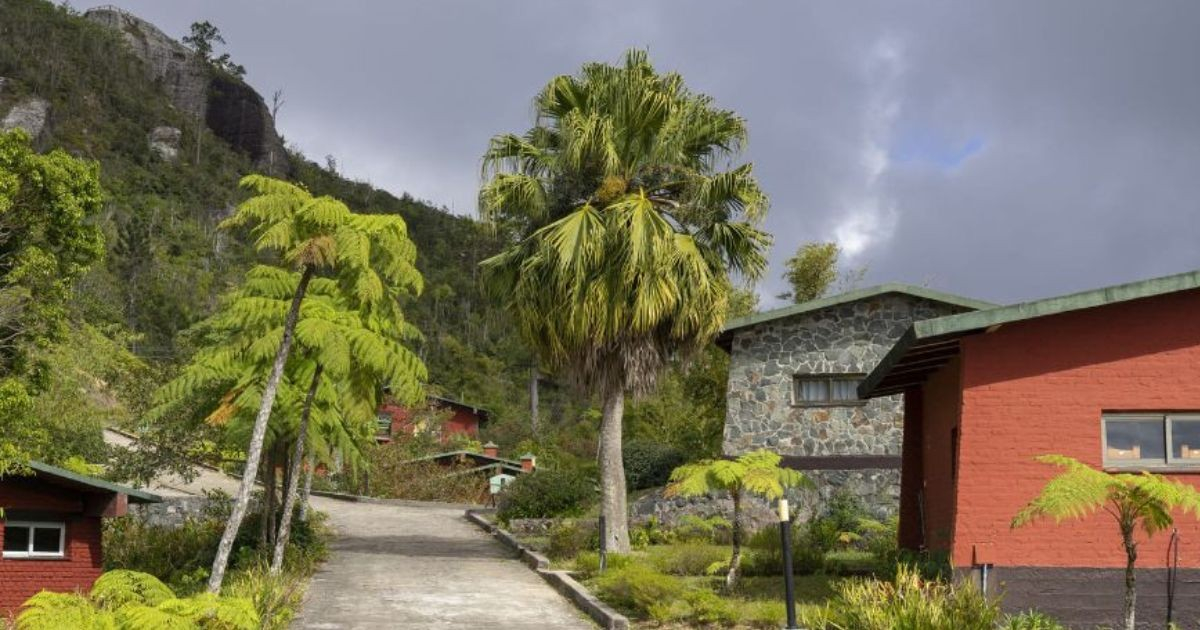
The Islazul branch in Santiago de Cuba has opened a bidding process for various economic actors to manage, through leasing, cooperation, or consignment, bars, restaurants, cafeterias, terraces, and other spaces in several of its tourist facilities in the province.
Islazul Santiago de Cuba posted the announcement this Monday and invited "the various economic actors" to submit proposals for the management of dining, recreational, and lodging spaces.
The relationship includes ten facilities. In the cases of the Costa Morena and Balcón del Caribe hotels, the announcement only indicates the “leasing” modality, without specifying which premises or area of each establishment is being offered for bid.
For the rest of the facilities, Islazul detailed the available spaces:
- Hotel Las Américas: Bucanero Restaurant, Tricontinental Cabaret, and Compay Café.
- Rancho Club: cabaret-restaurant, bar, and café.
- Hotel Gran Piedra: restaurant, barbecue, and bar.
- Hotel Deportivo: terrace, bar, and restaurant.
- Hotel Perla: bar.
- Hotel Rex: terrace.
- Hotel Libertad: terrace and bar.
- Villa San Juan: terrace, pool bar-cafeteria, and restaurant.
The announcement does not specify in the poster what type of economic actor will be able to apply for each space, nor does it establish specific economic conditions such as rental fees, participation percentages, or contract durations.
The file must include a business project with the technical plan and a detailed economic proposal, as well as the full name, phone number, and contact details of the applicant.
The deadline for submitting proposals is October 1st at 10:00 a.m..
The new tender from Islazul highlights the extent to which the state tourism sector is trying to find ways to sustain businesses that are becoming increasingly difficult to operate directly.
More than a standalone call, the process fits into a trend of public companies seeking third parties capable of managing locations, services, and points of sale.
That movement also has an increasingly explicit backing in the economic transformations approved by the Government.
In June, the authorities announced a greater participation of non-state management forms in tourism and the incorporation of new business modalities, including the leasing of facilities and spaces.
But the most direct step came in August when the State Council approved a Decree-Law "On Bidding", designed to establish bidding as the general method for selecting partners for the procurement of goods, services, and works, and specifically for the management of state production spaces and capacities by both state and non-state actors.
The reopening continued in September with new regulations for tourism. This ministry emphasized the expansion of investment and private management options, including new modalities for operating businesses and facilities in the sector.
And in this regard, just this past weekend, Palmares announced a tender for cafeterias and sales points in various municipalities of Havana, in a new opening of state gastronomic spaces to other economic actors.
In July, Cimex opened a tender to lease 12 commercial establishments in Sancti Spíritus, including cafeterias, sales points, and a warehouse.
The same formula has been replicated in other provinces. In August, Tiendas Caribe made available to self-employed workers, small and medium-sized enterprises, and cooperatives about twenty kiosks and shops in Villa Clara.
That same month, Cienfuegos decided to auction dozens of establishments selling meat products to be managed by producers and other non-state actors.
Related videos:
Filed under: