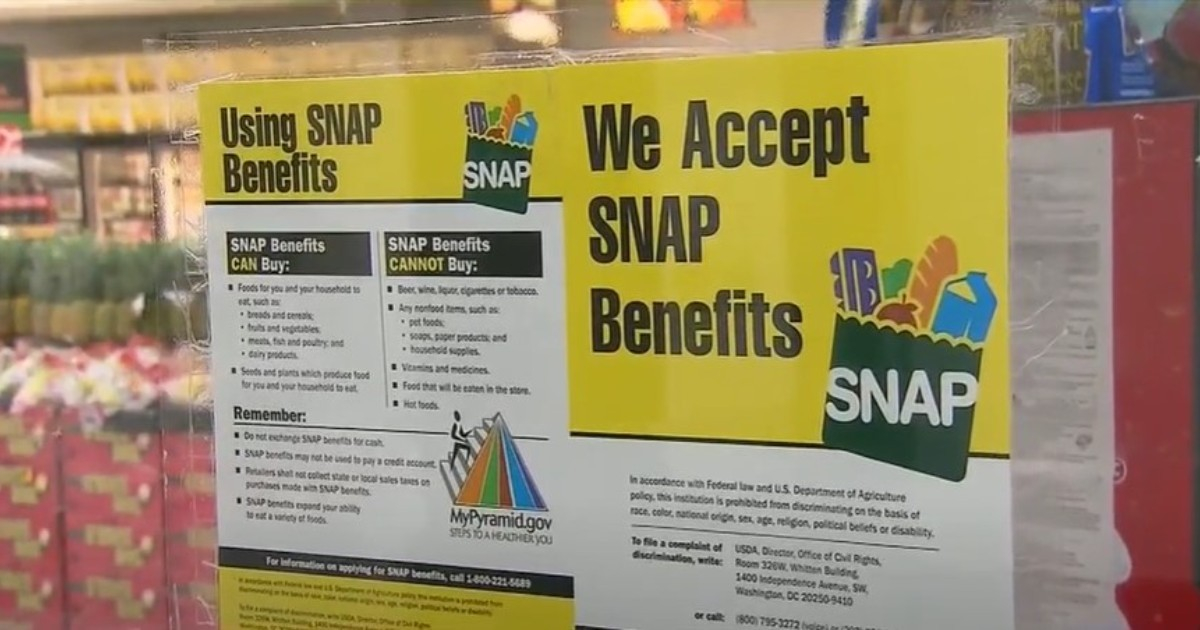
The Supplemental Nutritional Assistance Program (SNAP), also known as Food Stamps, begins fiscal year 2027 with two simultaneous changes that are at odds: the maximum amounts of food assistance will increase starting October 1, but states will have to take on a significantly greater administrative burden, which could lead to indirect cuts to the program.
The annual adjustment for the cost of living, applied by the United States Department of Agriculture (USDA) at the beginning of each fiscal year, increases the monthly limits for all household sizes.
A one-person household will increase from $298 to $306 (+$8); a two-person household will rise from $546 to $562 (+$16); a three-person household will go from $785 to $808 (+$23); and a four-person household will change from $994 to $1,023 (+$29).
Larger families will also see increases. The minimum benefit rises by one dollar, from $24 to $25 per month. These amounts will be in effect until September 30, 2027.
It is important to clarify that the increase will not automatically apply to all households. SNAP calculates the individual benefit based on net income, family size, and applicable deductions, so many families may not see any change in their monthly payment.
The second change is the most controversial. Starting October 1, states will have to cover 75% of the administrative costs of the program, compared to the 50% they currently assume.
The federal government will reduce its participation from 50% to 25%, a measure established by the “One Big Beautiful Bill” signed by President Donald Trump in July 2025.
According to estimates from Newsweek, this shift in expenses will represent approximately $16.9 billion additional costs for states between fiscal years 2027 and 2031, averaging around $3.4 billion annually.
Experts warn that this budgetary pressure could result in cuts to the administration of the program at the state level.
This double change comes at a time of historic contraction of the program. Since the new requirements and cuts imposed by that law came into effect, participation in SNAP has dropped from 42.3 million people in April 2025 to 37 million in April of this year, the sharpest decline in decades, according to the Center on Budget and Policy Priorities.
What is the situation in Florida?
In Florida, the impact of Trump's law has been especially harsh: between 553,000 and 558,000 residents -including seniors, veterans, and people with disabilities- lost access to the program since July 2025, nearly double the initial projections from the Department of Children and Families.
The state channels over $7 billion annually in SNAP for approximately 2.9 million beneficiaries—13% of the state’s population. Starting in October, with the beginning of the new fiscal year, it will have to absorb up to $1.6 billion in new costs resulting from federal law.
In March, the Florida Senate approved the bill SB 1758, which introduces additional changes to the state program, including enhanced verification of beneficiaries and the possibility of photo EBT cards.
About a month later, a program prohibited SNAP beneficiaries in Florida from purchasing soft drinks, energy drinks, candies and ultra-processed desserts.
The measure, according to state authorities, aims to ensure that funds are directed towards more nutritious products. However, it has raised concerns among community organizations and beneficiaries, who warn that it could complicate access to affordable food for low-income families.
A historic cut
The «One Big Beautiful Bill» involves a cut of approximately 186 billion dollars in the SNAP program until 2034, according to the Congressional Budget Office.
It also expanded work requirements: adults aged 18 to 64 without children under 14 must work, volunteer, or participate in training programs for at least 80 hours a month to keep their benefits. Those who do not comply can only receive assistance for three months within a three-year period, unless they qualify for an exemption.
"Even veterans will need to demonstrate that they are working in order to continue receiving food stamps," confirmed the Department of Agriculture (USDA).
Additionally, states will only be able to extend benefits to unemployed individuals if the local unemployment rate exceeds 10%, which drastically reduces the chances of temporary exemptions.
"The social safety net is being dismantled under a narrative of efficiency, when in reality many of those affected are low-wage workers, children, and the elderly," warned a spokesperson from the Center on Budget and Policy Priorities, summarizing the concerns of organizations that monitor the impact of these judicial and legislative changes on the program.
Related videos:
Filed under: