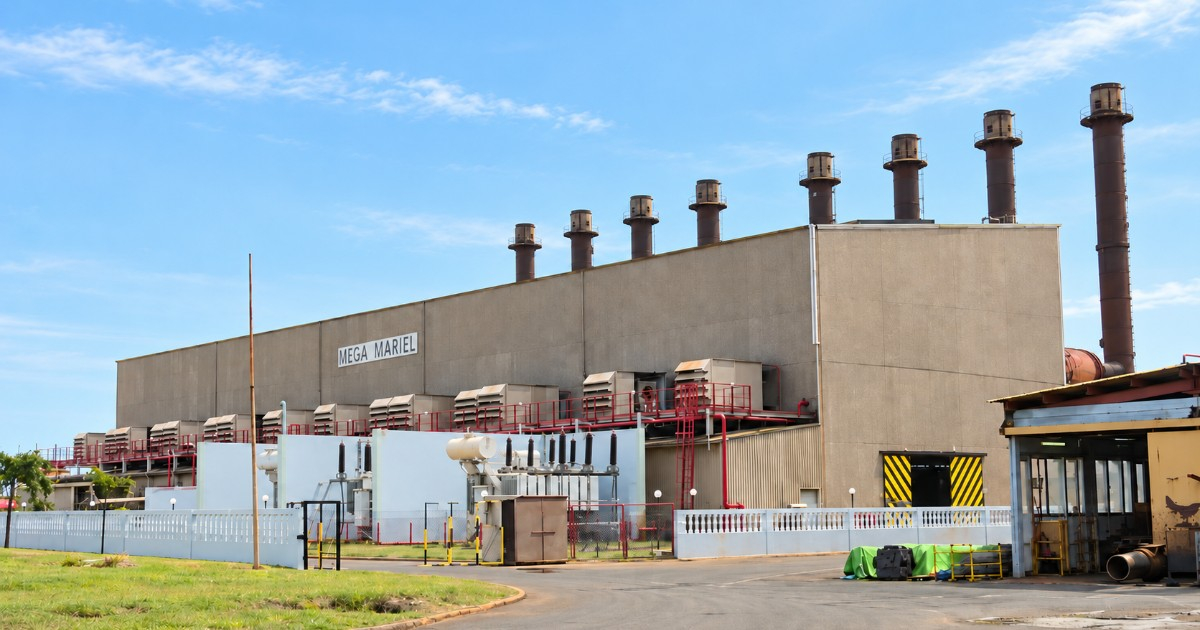
The Provincial Prosecutor's Office of Artemisa is investigating as a presumed sabotage an incident that occurred at the Máximo Gómez Thermoelectric Power Plant in Mariel, where the cutting of electrical cables caused Unit 8 to stop generating, according to authorities.
The official newspaper Trabajadores reported this Wednesday, citing the provincial Prosecutor's Office, that the incident occurred on September 2, around 1:00 a.m..
According to the version presented by the prosecutors, two individuals unrelated to the thermoelectric plant accessed the facility through the water supply channel and cut energized cables connected to the power supply of Unit 8 and to the fuel supply house.
The authorities maintain that 135 meters of cable from 19 routes were cut and stolen, an action that caused the abrupt and unplanned departure of the unit.
The Prosecutor's Office stated that the swift actions of workers and executives at the plant prevented more serious consequences for the National Electric System (SEN).
The investigation was handed over to the Unit for Crimes Against State Security and was registered as Preparatory Phase File 36 of 2026.
According to the source, the process includes the alleged crimes of sabotage and failure to fulfill the duty to preserve assets in economic entities.
So far, the Prosecutor's Office links four individuals to the investigation and according to the source, the two alleged direct perpetrators are currently under precautionary detention.
Additionally, two other employees who were performing security duties are being investigated for allegedly failing to detect what happened and are currently released on bail, according to the information disclosed.
The authorities also assured that 67 meters of electrical cable were seized and that specialists determined they belonged to the affected line at the thermoelectric plant.
The prosecution as alleged sabotage falls within the judicial policy that the Cuban regime has been applying to incidents affecting components of the electrical infrastructure.
The rating is based on the , approved in May 2025, which allows for the prosecution of theft, alteration, or damage to components of the National Electric System and other infrastructures deemed critical as sabotage.
At the beginning of September, following an attempt to steal dielectric oil at a substation in Santiago de Cuba, the Electric Company explicitly stated that the case would be treated as sabotage due to its impact on the power system.
One of the most recent processes concluded in Holguín, where a 19-year-old was sentenced to eight years in prison for ongoing sabotage and another accused received 10 years, after the Prosecutor's Office held them responsible for thefts of dielectric oil that left more than 4,000 customers without electricity for over 24 hours.
The magnitude of the phenomenon was revealed this month, when the authorities themselves acknowledged over 460 criminal investigations for offenses against the electrical system between 2025 and the first half of 2026, including sabotage, damage, burglary, theft, and receiving stolen property.
More than 300 complaints were specifically related to the theft of dielectric oil.
Related videos:
Filed under: