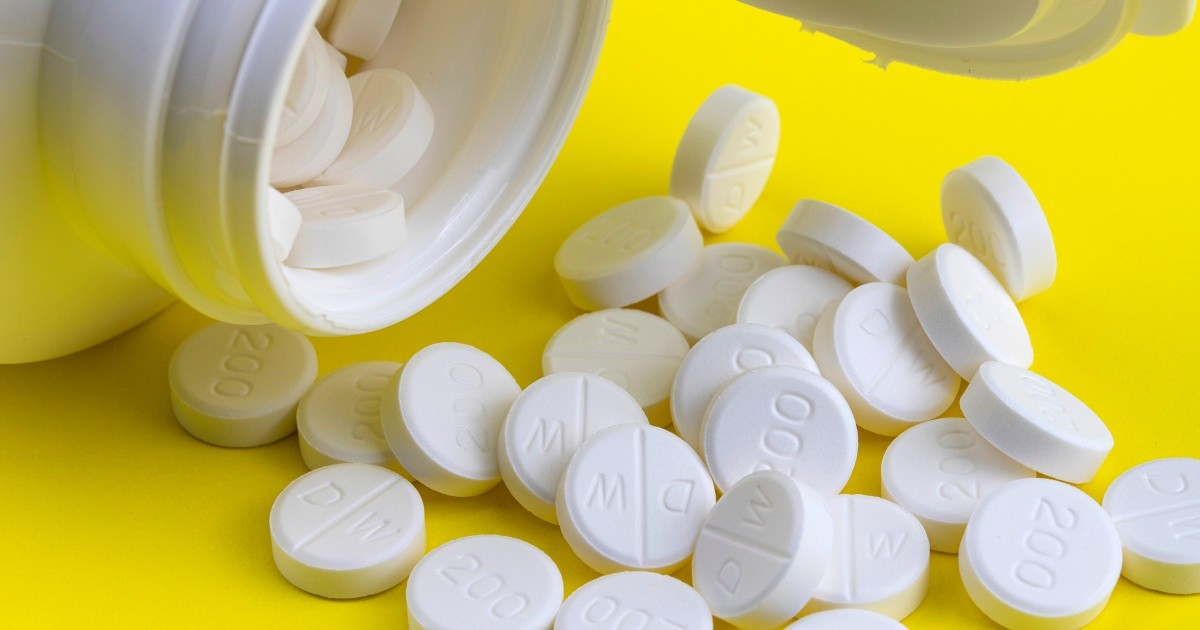
The Food and Drug Administration (FDA) classified this week as Class I, its highest risk level, the market withdrawal of a batch of thyroid tablets manufactured by Vitruvias Therapeutics Inc., warning that the medication could “cause serious health consequences or death.”
The federal agency classified the recall as Class I, the most serious category in its scale, defined as "a situation in which there is a reasonable probability that the use or exposure to a product that violates regulations will cause serious health consequences or death."
What product is affected?
The recall pertains to the lot 504950 of Thyroid Tablets, USP 30 mg (NDC code 69680-166-00), with an expiration date of September 30, 2026.
From that batch, 3,655 units were distributed nationwide in the United States between January 31, 2025, and September 30, 2025, of which 1,955 were sold.
The identified problem is that the tablets could be "super potent," meaning they may contain a concentration of thyroid hormone higher than what is stated on the label, which would result in the patient receiving a dose greater than prescribed without their knowledge.
Why is it dangerous?
Taking an excessive dose of thyroid hormone can trigger hyperthyroidism, a condition that accelerates metabolism with potentially serious consequences.
Documented adverse effects include heat intolerance, fatigue, nervousness, muscle weakness, hypertension, chest pain, increased heart rate, and heart rhythm disturbances.
The highest risk groups are elderly patients, pregnant women, and infants, especially during prolonged exposures, as excessive levels of thyroid hormone can lead to heart problems and other serious complications.
In more severe cases, untreated hyperthyroidism can lead to arrhythmias, atrial fibrillation, heart failure, osteoporosis, or a potentially life-threatening thyrotoxic crisis.
What should someone take this medication do?
Vitruvias Therapeutics specified that it is "proactively notifying its wholesalers via email and phone to suspend the distribution of the product" and is coordinating the destruction of the recalled tablets.
However, the pharmaceutical company issued a clear warning: patients should not discontinue treatment without first consulting their doctor, as abruptly stopping medication for hypothyroidism can also have health consequences.
At the time of the initial announcement in August, the company reported that no adverse events had been recorded related to this batch.
A year with issues regarding thyroid medications
This recall is not an isolated case. In July 2026, Major Pharmaceuticals issued another recall of levothyroxine sodium tablets for being "subpotent," classified by the FDA as Class II, which included dosages of 25, 50, 75, 88, 112, 125, and 150 micrograms.
The difference between the two cases is significant: a subpotent medication does not adequately treat hypothyroidism, while a superpotent one can cause an excess of thyroid hormone with serious and potentially lethal effects, hence the Class I classification in the case of Vitruvias.
The FDA classifies recalls into three levels: Class I (high risk), Class II (moderate risk, reversible effects), and Class III (minimal risk).
The classification as Class I indicates that there is a reasonable likelihood that the use or exposure to the product could result in serious health consequences or death.
Those who believe they possess tablets from lot 504950 from Vitruvias Therapeutics should consult the official FDA record and contact their doctor before making any decisions regarding their treatment.
Related videos:
Filed under: