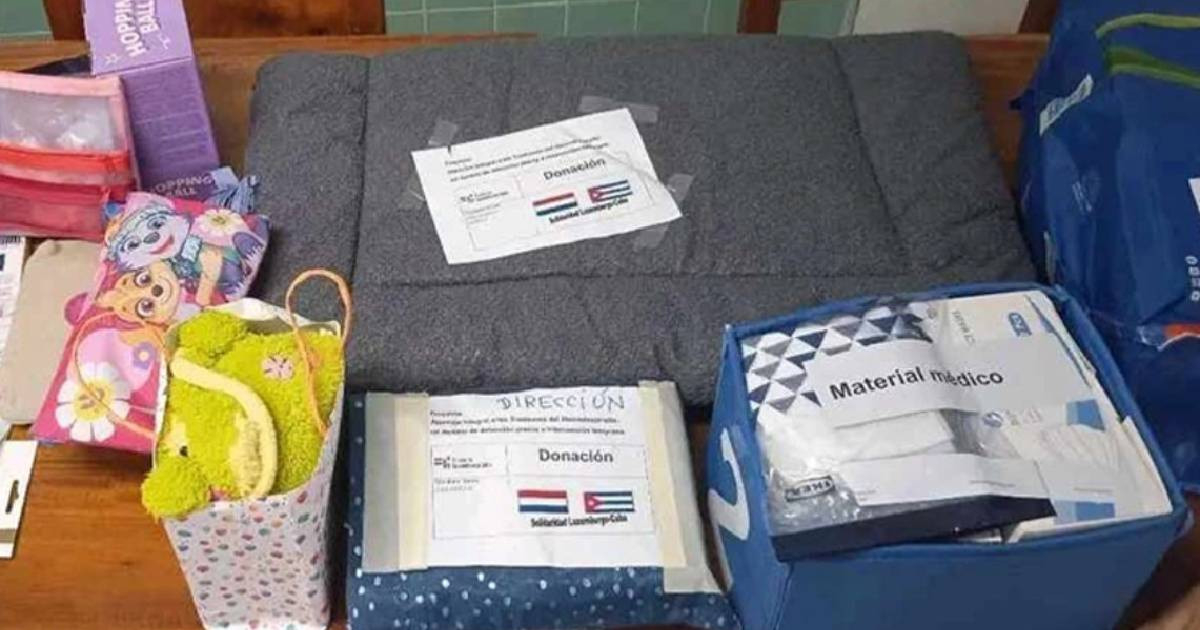
Representatives from the Pan American Health Organization (PAHO) in Cuba delivered educational materials to the Pedro del Toro Saad health area in the city of Holguín as part of the ECHO SYPHILIS project, an initiative aimed at curbing the spread of this infection among pregnant women, adolescents, and newborns in five provinces of the country.
The donation is part of a work agenda by the OPS in the eastern province, which also included the delivery of fumigation equipment against the mosquito Aedes aegypti.
It is part of a project funded by the European Union with approximately two million euros, carried out alongside UN agencies such as the United Nations Population Fund (Unfpa) and the United Nations Children's Fund (Unicef), highlighted this Friday by the broadcaster Radio Angulo.
Holguín was selected along with Havana, Matanzas, Guantánamo, and Santiago de Cuba—five provinces with 11 prioritized municipalities—for having some of the highest rates of adolescent pregnancy and incidence of sexually transmitted infections (STIs) in the country.
The project launched in the province on June 30 and its main action is the implementation of rapid dual blood tests to simultaneously detect HIV and syphilis from the first contact of the pregnant woman with the healthcare system, the source specified.
"The project combines prevention actions aimed at adolescents with the strengthening of timely detection and treatment of syphilis and other STIs during pregnancy," explained Dr. Susana Borroto Gutiérrez, epidemiologist and consultant on communicable diseases for PAHO in Cuba.
When a pregnant woman tests positive, she receives immediate treatment with penicillin along with her sexual partner, which helps break the transmission chain and prevent serious complications in the newborn, such as congenital malformations or pregnancy loss.
"To date, the greatest impact of this project lies in the dual testing for syphilis and HIV due to the speed of diagnosis. With a simple blood sample taken from a finger prick, a diagnosis is provided on the spot," emphasized Borroto.
The project also includes the acquisition of supplies for desensitization in cases of pregnant women allergic to penicillin, and aims to reduce the rate of adolescent pregnancies through sexual and reproductive education initiatives.
Official data shows that in 2024, 16.76% of births in Cuba were to mothers under 20 years old, and 64.5% of those pregnancies involved adult men, which international organizations view as a form of gender-based violence.
The health scenario surrounding the project is paradoxical, as in 2015 the Caribbean country was the first in the world to achieve the elimination of mother-to-child transmission of HIV and syphilis, a milestone recertified in May by the World Health Organization (WHO). However, maintaining that certification faces serious structural obstacles.
The chronic shortage of condoms, reagents, and medications threatens recent advances. In June 2025, health authorities in Pinar del Río raised concerns about a resurgence of syphilis, gonorrhea, and HIV, with more than half of the cases concentrated in the main municipality.
Related videos:
Filed under: