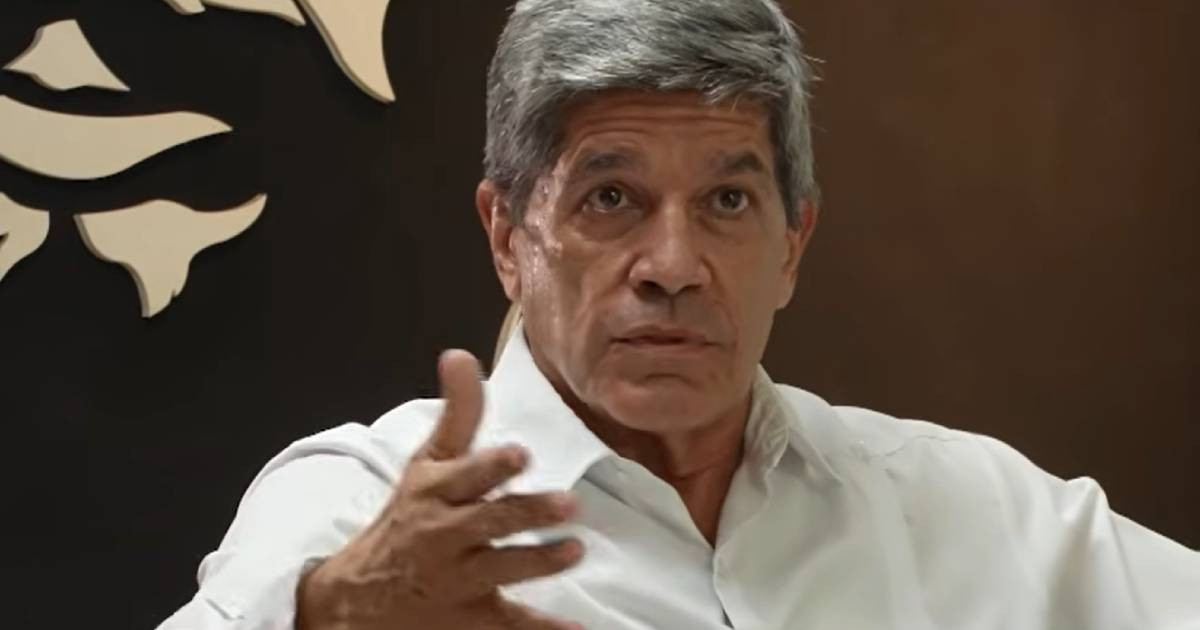
The Deputy Minister of Foreign Affairs of Cuba, Carlos Fernández de Cossío, distanced himself this week from Caracas by stating in an interview with Bloomberg This Weekend that Venezuela is "a friendly country," but not an "ally" of the island.
"Ally is a word that is too strong," emphasized the Deputy Foreign Minister. The statements were made on Friday in New York, where Fernández de Cossío is participating as part of the Cuban delegation at the United Nations General Assembly, and they were also reported by the EFE agency.
The statement represents the most explicit diplomatic distancing made by an official of the Cuban regime since the relationship between the two countries fell into limbo following the capture of Nicolás Maduro by American forces on January 3, 2026.
In that operation, 32 Cuban soldiers —members of the Revolutionary Armed Forces and the Ministry of the Interior— were killed, who were part of the security detail for the then Venezuelan leader.
After that break, Venezuela stopped supplying crude oil to Cuba on January 9, 2026, exacerbating the energy crisis that the island had already been experiencing since 2024. Caracas was sending approximately 26,500 barrels per day, which covered about one third of Cuba's energy needs.
Independent experts described in May the relations between the two countries as "frozen" or "completely stalled."
In the same interview with Bloomberg, Fernández de Cossío dismissed the possibility of a similar operation occurring in Cuba that would lead to the capture of Maduro, although he acknowledged that “there is an intention among some people in the United States for that to happen.” “We will not allow it,” he warned.
The Cuban official described a U.S. military intervention as "unrealistic" and noted that the Cuban government hopes "it does not happen," as they see "no reason" to justify it.
These statements come at a time of heightened tension between Washington and Havana.
Last Monday, Donald Trump described Cuba as an "absolutely failed state" before the UN, prompting the regime's delegation to leave the plenary in protest. Additionally, CBS News reported that the U.S. Armed Forces were assessing the availability of units for Southern Command within a timeframe of 90 to 120 days.
This Saturday, however, Trump ruled out the use of force while responding to the press at the White House: "I don't think the military is necessary," and he added that "Cuba and we will reach an agreement."
Regarding the bilateral negotiations, Fernández de Cossío was skeptical: he stated that he does not see "progress" and that "it is very difficult to believe that there will be results in the negotiations while the U.S. continues to impose new measures, new pressures, and new sanctions against the people of Cuba."
He also refused to reveal the names of the participants in those conversations, stating that they are "discreet about it."
The deputy foreign minister also stated to Bloomberg that U.S. sanctions are hindering the island's economic reforms —including more capitalist-oriented transformations— and that if Washington eases its pressure, these changes could become "truly irreversible."
Related videos:
Filed under: