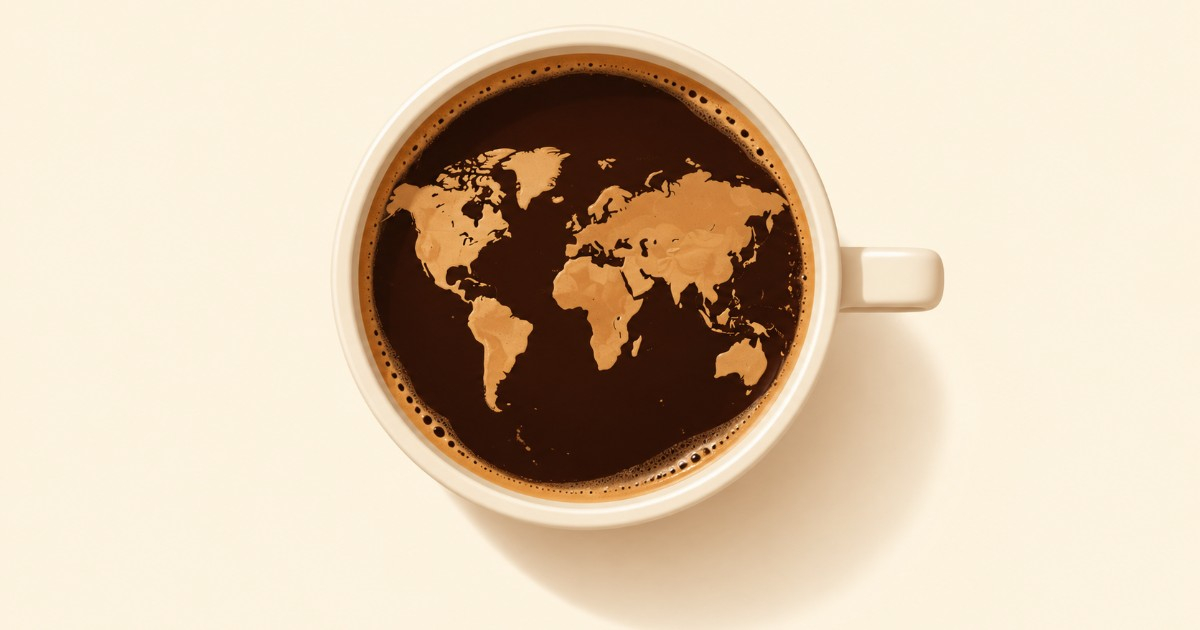
The International Coffee Day is celebrated this Thursday, October 1st, with a new development in 2026: the official recognition by the United Nations. The beverage that accompanies breakfasts, conversations, and work breaks now has a day on the UN calendar to also highlight those who make it possible for it to reach every cup.
The General Assembly approved that designation on March 10, 2026, through resolution A/RES/80/248, as stated by the Food and Agriculture Organization of the United Nations (FAO). This is, therefore, the first October 1st commemorated after that decision.
But there is an important difference: it is not the first International Coffee Day in history. The celebration already existed and had been bringing together producers, cafes, and enthusiasts from various countries for more than a decade.
Why International Coffee Day is celebrated on October 1st
The International Coffee Organization (ICO) explains that its member countries agreed in March 2014 to establish a common date to celebrate coffee worldwide. Until then, and even after, different countries have maintained their own national days on other dates of the calendar.
The first official edition took place on October 1, 2015, with its launch in Milan, as documented in the activities archive of the ICO from that year.
The choice is related to cultivation: according to the FAO, October 1st traditionally marks the beginning of the coffee year and, in many producing regions, it coincides with the start of the harvest.
What changes with the recognition of the UN?
The United Nations recognition incorporates the day into its international observances and broadens the call to share knowledge about coffee, its cultural significance, and the work of those who produce, process, and market it.
The official UN page dedicated to the date invites governments, communities, businesses, academic institutions, and social organizations to participate. The stated goal is to promote a more sustainable sector with better opportunities for the people who depend on it.
The resolution also invites the FAO to facilitate the celebration in collaboration with other organizations, especially the OIC, according to the statement released when the decision was approved.
For this Thursday, the FAO has called for an inaugural celebration at its headquarters in Rome, focused on the people, cultures, and traditions that accompany the journey of coffee from the field to the cup.
The millions of people behind every morning's coffee
Behind such an everyday product lies a global economic activity. According to the data released by the FAO, the sector supports the livelihoods of up to 25 million farmers and their families.
The organization also estimates that small farms account for up to 80% of the coffee plantations in the world. This figure refers to the number of farms, not their share of total production.
In 2024, global production exceeded 11 million tons. That same year, the European Union and the United States were the largest importers, according to the FAO statement.
There are also two names that appear repeatedly on supermarket packages and café menus: arabica and robusta. These are the two main types of coffee produced and traded worldwide; arabica accounts for about 60% of global production, according to the FAO.
A little coffee can also be a way to come together
The social dimension of coffee has a close expression for Cuban readers: sharing a colada. The Miami Beach Visitor Center describes it precisely as a way to bring the community together and share coffee among friends.
That small gesture connects with the essence of commemoration. The United Nations recognizes coffee not only as an agricultural product but also as part of daily traditions and the gatherings between people.
To participate in the date, the official campaign of the OIC provides materials that allow you to share a photo of your cup, your team, or your business with the hashtag #ICD2026.
It can also be an opportunity to look at the origin printed on the package or to inquire about the coffee served at your usual café. The initiative this October 1 goes beyond celebrating a beverage: it invites you to learn about the people and the stories behind it.
Related videos:
Filed under: