A culinary culture is not solely preserved in cookbooks. It is transmitted in the home; through recipes that are passed down from grandparents to parents and from parents to children, in the aromas that accompany childhood, and in the flavors that a community learns to recognize as its own. When economic conditions prevent the reproduction of these practices for decades, the fabric of collective memory begins to fracture.
In present-day Cuba, the food crisis not only determines what makes it to the table; it is changing the way people cook and eroding cultural transmission. The need to adapt recipes is not new: Nitza Villapol turned ingredient substitution into a part of everyday learning through "Cocina al Minuto" for decades.
However, that cycle reached a limit in 1993, at the height of the so-called "Special Period," when the lack of supplies took the program off the air. Today, television shows like "Entre recetas" try to suggest alternative preparation methods that a large part of the population perceives as mockery, since the scarcity in households exceeds any margin for improvisation. One thing is occasional adaptation, and quite another is a structural deficiency lasting decades.
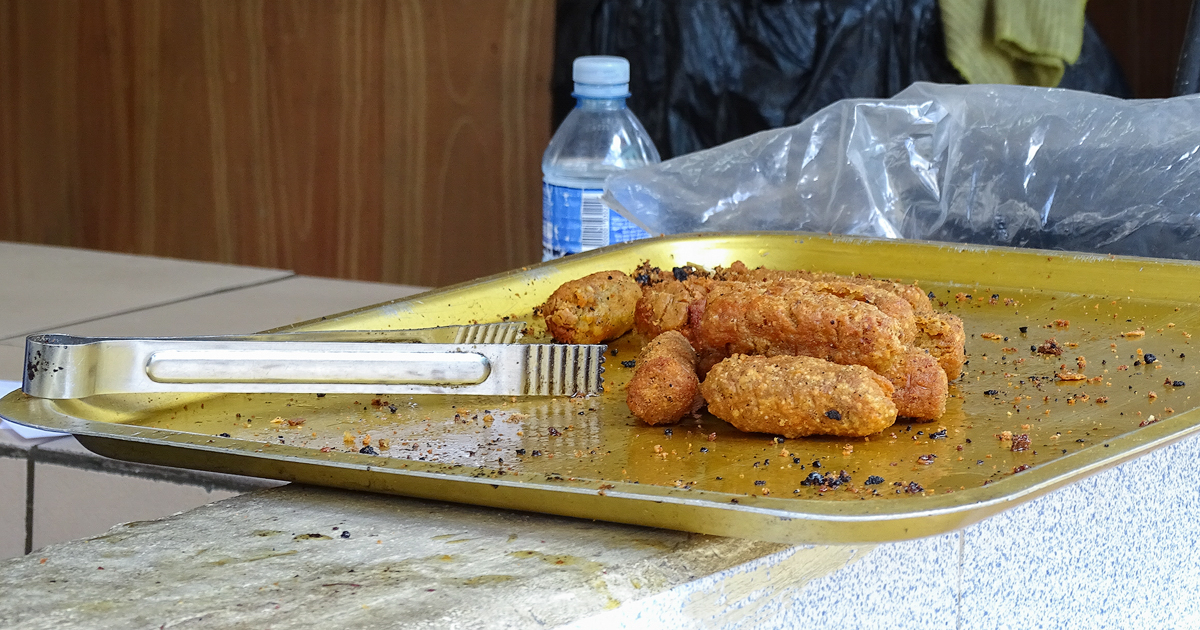
The transformation of Cuban cuisine is evident on the everyday table. Processed proteins such as croquettes, undefined ground meat, and popular sausages known as "perritos" take center stage. Chicken, when it can be purchased, needs to stretch: it is cut into minimal portions, combined with root vegetables or whatever else is available due to limited access to potatoes, and extended with plenty of sauce. The ajiaco has lost its variety of meats to become a stew with a single protein aimed at stretching the meal.
In fish, traditional species such as red snapper, grouper, or sawfish have been replaced by catfish and tilapia, which are often boiled and shredded to make aporreados. This substitution even reaches the foundation of flavor: the classic creole sofrito, made with garlic, onion, ají cachucha or bell pepper, and oil, has given way to concentrated broths and industrial seasonings. When these replacements persist over time, families begin to grow accustomed to artificial flavors and start to accept this alteration as the norm.
What remains but ceases to be everyday
Traditional Cuban cuisine has not disappeared, but it has become exceptional. Dishes like the tamal en cazuela have almost fallen out of everyday practice, while the tamal in leaves survives without meat inside. The arroz moro loses grain proportions and does without chicharrones, while malanga fritters are hardly made anymore. Home-made sweets show a similar change: natilla, boniatillo, guava or grapefruit peels, and fruit bomba in syrup have been set aside for special occasions because sugar is also scarce.
Meanwhile, in hotels and restaurants catering to tourists and the national upper class, dishes such as ropa vieja, chilindrón de chivo, roasted pork, palomilla steak, fried beef, maridaje chicken, chorrera-style arroz con pollo, and seafood are showcased. This creates a socio-cultural divide: a dish may remain on the menu for visitors while simultaneously being absent from Cuban homes.
When flavor ceases to be transmitted as a living heritage, a nation is losing part of what defines it. A recipe needs more than just being written down or being exclusive to certain sectors: it needs people to prepare it, eat it, and teach it.
That's why, after decades of economic decline, the question is not only what Cubans are eating. It is also about what flavors the younger generation is learning to recognize and which ones they are no longer experiencing. There are traditional dishes that older people barely remember, and that children or adolescents have never had the chance to try.
Culinary culture can adapt and reinvent itself. But when a recipe is no longer made, when its original ingredients become inaccessible, and when one grows up without tasting certain dishes, the transmission weakens. The Cuban food crisis has not only changed the diet; it is altering a cultural practice built over time.
Cuban cuisine does not disappear overnight: it transforms ingredient by ingredient, recipe by recipe, generation after generation. And in that transformation, a part of Cuba's culinary heritage may be at risk of being lost.
Related videos:
Filed under:
Opinion article: Las declaraciones y opiniones expresadas en este artículo son de exclusiva responsabilidad de su autor y no representan necesariamente el punto de vista de CiberCuba.