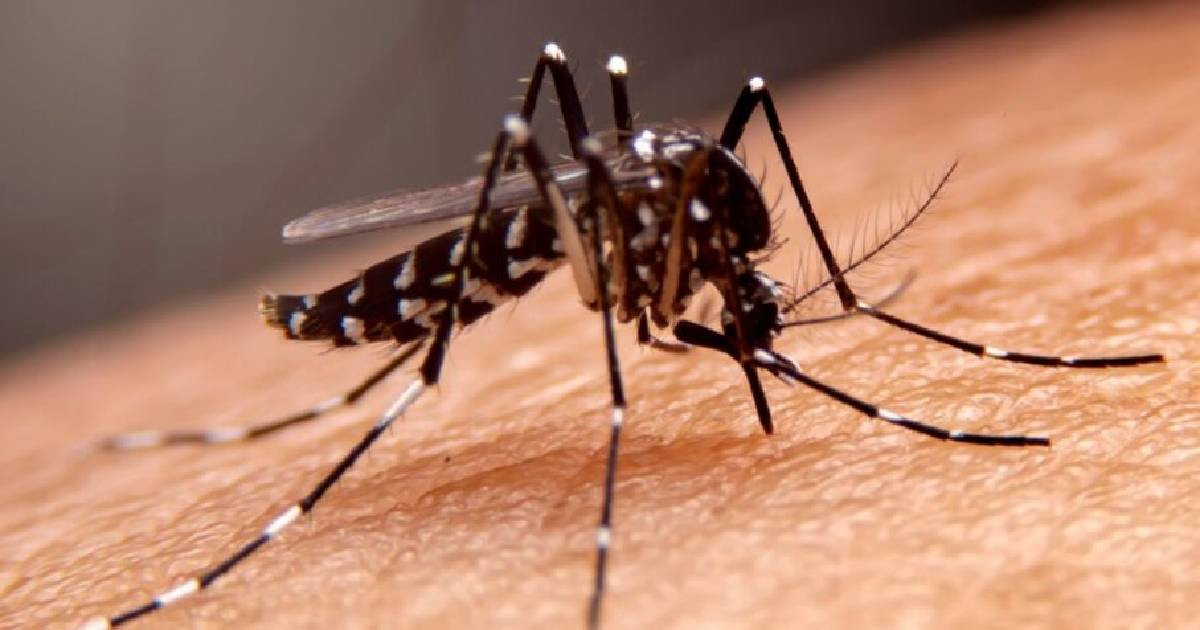
The Broward County confirmed its first locally acquired case of dengue in 2026, indicating that a person contracted the virus from the bite of an infected mosquito within the county itself and not during a trip abroad, according to NBC6.
The Florida Department of Health in Broward (DOH-Broward) reported this Monday that, after confirming the case, it issued a mosquito-borne illness advisory and is coordinating with Broward County Mosquito Control on surveillance and control efforts.
CBS Miami noted that the advisory remains in effect for Broward, so it should not be interpreted as a warning limited solely to Fort Lauderdale or a specific area of the county.
The confirmation comes as Florida is experiencing a significant dengue season. The latest weekly report from the Florida Department of Health, covering the period from September 20 to 26, records 497 cases of dengue in the state during 2026: 252 locally acquired and 245 associated with travel.
This report still does not include the local case from Broward announced this Monday. As of the end of that report, transmission within Florida had been detected in seven counties: Hillsborough, Miami-Dade, Orange, Palm Beach, Pasco, Pinellas, and Polk. With Broward, the list reaches at least eight counties.
However, Hillsborough has 223 locally acquired cases, while Miami-Dade has accumulated eight. Broward had previously only reported cases linked to travel, with no cases of local transmission.
The Department of Health warns that its numbers may differ from those published by the Centers for Disease Control and Prevention (CDC) due to variations in the criteria and timing used to count cases.
For residents of Broward and Miami-Dade, the main recommendation is to eliminate any accumulation of standing water that could become a breeding ground for mosquitoes.
Authorities advise emptying containers, buckets, flowerpots, toys, pool covers, and other objects where water may collect after rainfall.
They also recommend using repellents registered by the Environmental Protection Agency (EPA), covering arms and legs when possible, and ensuring that the screens on doors and windows are in good condition.
Local 10 highlighted these preventive measures following the confirmation of local transmission.
The outbreak is particularly significant for the large Cuban community in South Florida. The state report states that, of the 245 travel-associated cases recorded as of September 26, 201 were linked to individuals with exposure in Cuba.
That information does not mean that the new case in Broward was imported: the authorities expressly classified it as locally acquired. However, it highlights the importance of precautions for those traveling between Florida and Cuba, where dengue and other mosquito-borne viruses continue to circulate amid a prolonged health crisis.
The CDC recommends that those returning from areas with a risk of dengue protect themselves from mosquito bites for three weeks after the trip, even if they do not exhibit symptoms. This measure aims to prevent a mosquito from biting an infected person, acquiring the virus, and subsequently transmitting it to others.
The alert in Broward comes just a few days after Florida surpassed 250 local dengue infections in 2026, in an outbreak that had already reached levels not seen in decades in the continental United States.
Florida authorities are maintaining epidemiological surveillance and mosquito control operations as the period of highest activity for these vectors continues in the state.
Dengue is primarily transmitted through mosquitoes of the genus Aedes. Some of the most common symptoms include fever, headache, pain behind the eyes, muscle and joint aches, nausea, vomiting, and skin rashes, according to the CDC.
Health authorities recommend seeking immediate medical attention if warning signs appear, such as intense abdominal pain, persistent vomiting, bleeding from the nose or gums, blood in vomit or stool, extreme fatigue, or restlessness.
The CDC recommends avoiding aspirin and ibuprofen when dengue is suspected due to the risk of bleeding, and using acetaminophen to manage fever and pain.
Related videos:
Filed under: