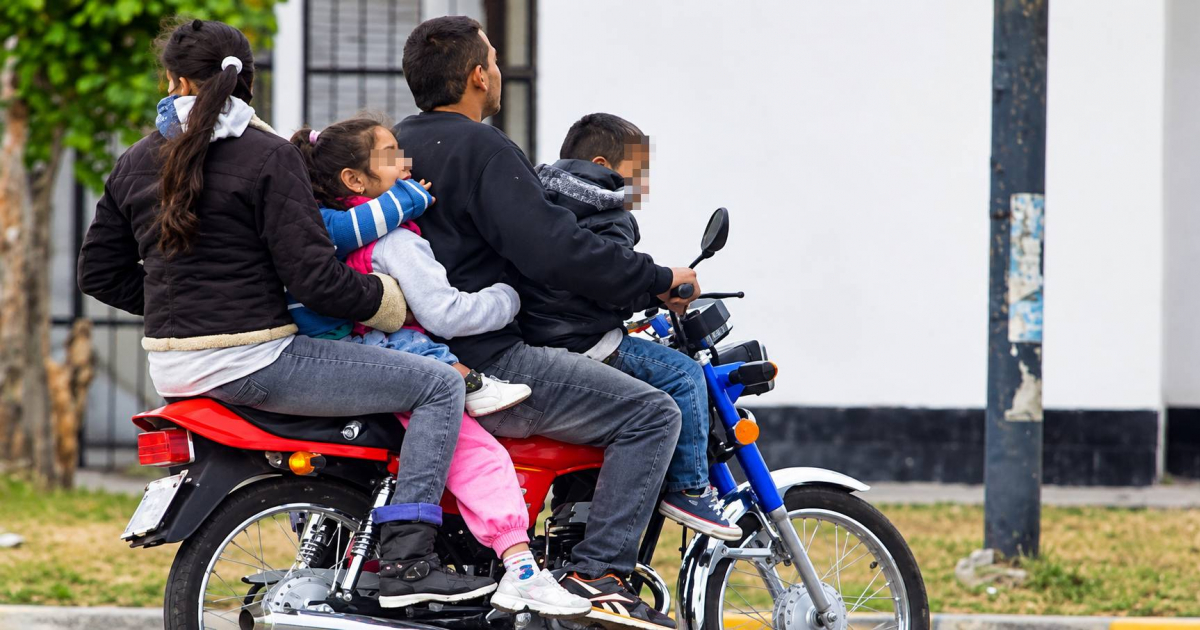
The traffic authorities of Villa Clara have intensified road enforcement operations to , a practice that raises particular concern among the authorities of that province.
The Cuban News Agency reported that the call for road discipline occurs as Villa Clara shows, at the end of September 2026, a downward trend in the numbers of accidents, fatalities, and injuries. As a background, the province had concluded October 2025 with 511 traffic accidents, 50 more than in the same period of 2024.
Motorcycles and mopeds—including the so-called electric "motorinas"—play a significant role in road accidents. At the national level, these vehicles were involved in 52% of accidents and accounted for 32% of fatalities and 42% of injuries, according to data from the National Road Safety Commission for the period from January to August 2025.
Regarding the types of accidents, the head of the Provincial Traffic Unit pointed out that motorcycles and motor scooters account for the highest number of accidents and fatalities, as they are among the most commonly used vehicles in the area.
The danger is not limited to collisions. Between January and October 2025, electric scooters caused 32 fires in the province: 20 in homes, 10 on public roads, and two in state institutions, with estimated losses of 95 million pesos.
The current Cuban legal framework establishes that electric mopeds with up to 1,000 W and a maximum speed of 50 km/h are motor vehicles and, therefore, require a driver's license, helmet, and registration.
Article 93 of the Traffic Safety Code expressly prohibits driving without a license or learner's permit, as well as allowing another person to do so. Therefore, the responsibility may extend to the adult who facilitated or consented to that driving.
The regulations also prohibit children under the age of 12 from riding bicycles outside recreational areas, residential neighborhoods, or low-traffic roads.
The regime has responded to the traffic chaos with a package of regulations in 2026: Instruction No. 1/2026 from the Ministry of Transport authorized the granting of operation licenses to individuals owning mopeds, motorcycles, and electric tricycles without registration, under an exceptional regime valid until December 31 of this year, while the established the homologation procedure for vehicles assembled from parts and pieces.
The rise of these vehicles has occurred against the backdrop of the fuel crisis affecting the island: faced with difficulties in accessing gasoline and the deterioration of public transport, many Cubans have turned to "motorinas" as an alternative means of mobility, without the control, registration, and road safety education system growing at the same pace.
The main causes of accidents identified in Villa Clara include "distractions while driving, failure to respect right of way, violations by pedestrians, and irresponsible consumption of alcohol," according to data from the traffic authorities themselves for October 2025, during which more than 40,000 fines were issued, 717 repeat offenders were sanctioned, and 53 driving licenses were permanently revoked in the province.
Related videos:
Filed under: