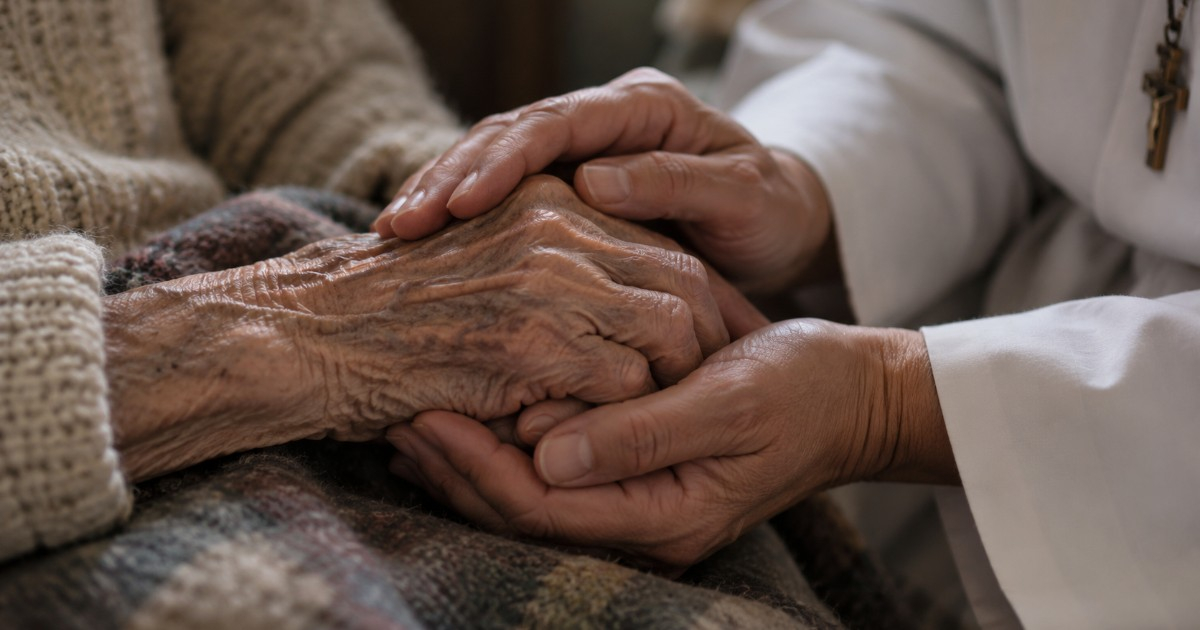
In the Hogar San Francisco de Paula, located in the La Víbora neighborhood of Havana, a group of nuns and workers cares for 102 elderly women while facing power outages, shortages of medication, and difficulties in obtaining food and other basic supplies.
The reality of the center was documented by journalist Rick Jervis, from , in a report based on a visit to the home and interviews with nuns, staff, residents, and family members.
At the head of the Catholic institution is Sister Cecilia María Fuentes Ávila, who coordinates the care of the residents, aged between 70 and 91 years, with the support of about 80 workers, including 17 nurses and two doctors, according to the figures collected during the visit.
Women receive free accommodation and care. Many need ongoing assistance with mobility or daily activities, while others maintain greater autonomy.
One of the biggest problems is the lack of medications: the staff faces difficulties in obtaining antibiotics, treatments for diarrhea, and drugs to control blood pressure, in addition to necessary materials for certain medical tests.
Power outages also complicate food preparation, cleaning, and laundry tasks. Due to electrical interruptions, the household has had to rely on an outdoor kitchen that operates with firewood to prepare meals for the residents.
The institution has a solar power system that helps maintain certain services, but its capacity is not sufficient to meet all needs.
During a 48-hour blackout, the nun reported, the staff had difficulties using the laundry facilities and had to seek alternatives to care for the elderly women.
Fuentes explained that obtaining the necessary products has become a daily task. Even when they have money, some items do not appear in the stores where they try to buy them.
The home receives support from Cáritas Cuba and donations managed with religious communities and collaborators abroad. These resources help sustain the services, although they do not eliminate the challenges in caring for the residents.
The family situation of the elderly women also plays an important role in the report. Some arrived at the center because their relatives were unable to provide the continuous care they needed, in a context of economic difficulties and emigration.
Gladys Pazos, one of the doctors at the institution, explained that the circumstances of admission are varied. The report also documents the presence of family members who visit the residents and maintain contact with them.
During his journey, Jervis gathered the testimony of a son who decided to place his mother in a care home because he could not balance his job with the constant attention she required. For him, the support of the nuns was a crucial help.
At the San Francisco de Paula Home, the nuns continue to receive admission requests and maintain a waiting list. In the meantime, the staff is working to ensure the nutrition, hygiene, and medical care of the 102 residents with the available resources.
The work of the center reflects a form of assistance that is also developed by other religious institutions and civic networks in Cuba.
In September, for example, the Monseñor Adolfo Home, in Camagüey, received food and wheelchairs sent from the United States, thanks to donations from Catholic faithful, emigrants, and collaborators.
More recently, solidarity networks distributed medications for free in Havana to assist individuals affected by the pharmaceutical shortage.
Related videos:
Filed under: