More than 70 people die every day from cancer in Cuba, and the survival rate for children and young people with this disease has dropped from 85% to 65%, according to a report from state media quoted on Friday by the news agency EFE.
The figures are known less than two weeks before the annual vote in the United Nations General Assembly on the U.S. embargo, scheduled for October 27 and 28.
The document acknowledges that 300 out of the 395 medications produced by the national pharmaceutical industry and included in the basic health framework are in shortage due to a lack of raw materials and supplies.
It also notes that 34 international banks rejected or suspended operations related to Cuban purchases of medicines due to fears of possible secondary sanctions.
The Government attributes losses exceeding 134.3 million dollars in the biotechnology and pharmaceutical industry to the U.S. embargo between March 2025 and February 2026.
The report also states that certain innovative oncology drugs manufactured by American companies are "completely inaccessible to Cuba" and that the restrictions force reliance on intermediaries, resulting in markups that can make them unaffordable.
However, U.S. restrictions do not absolutely prohibit the sale of food and medicine to the Island. The 1992 Torricelli Law and the 2000 trade sanctions reform legislation include exceptions for those products. Since 2001, Cuba has purchased over $8 billion in U.S. goods, including food and medicine.
The health crisis also coincides with a significant reduction in the national medical workforce. Between 2021 and 2024, more than 30,000 Cuban doctors emigrated, while the number of professionals decreased from 106,131 to 75,364, according to the data provided in the report.
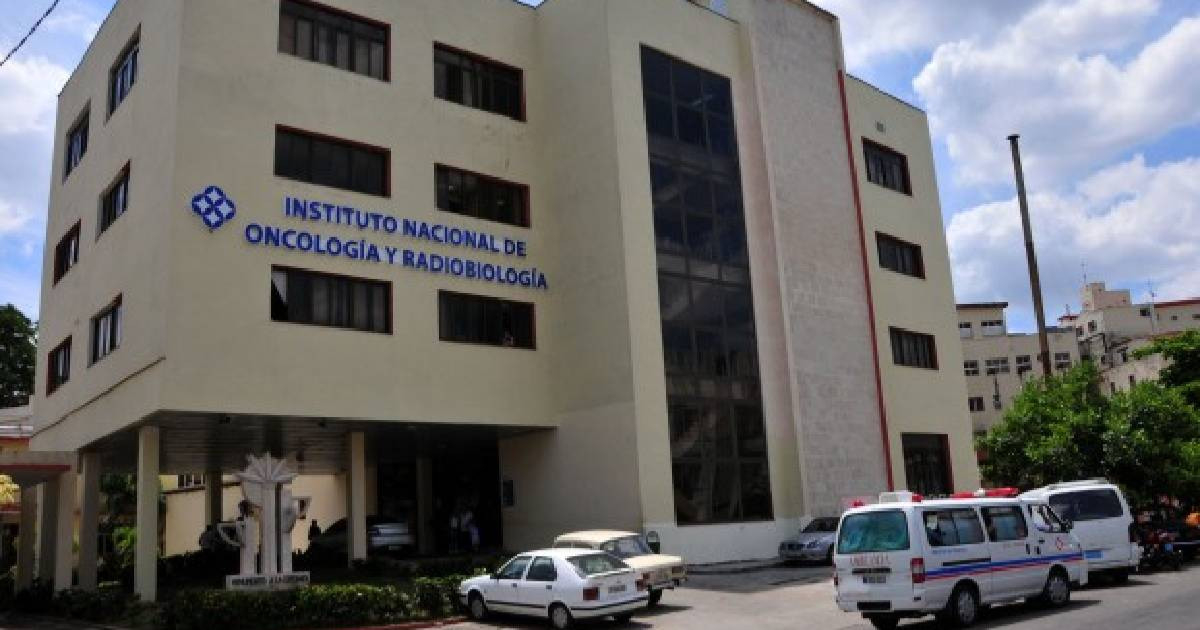
The difficulties are particularly severe in cancer treatment. In July of this year, 80% of the equipment at the National Oncology Institute was outdated or malfunctioning, and only one of the six linear accelerators in the country was operational.
In May, more than 3,000 patients were waiting for chemotherapy due to a shortage of cytostatics, while the bone marrow transplant program remained completely halted.
These shortcomings are compounded by the Government's economic model, which prioritizes investments in the military elite conglomerate GAESA, with interests in the hotel and tourism sectors, while maintaining the export of medical services as one of its primary sources of foreign currency.
Annual income from these missions is estimated to be between 6 billion and 8 billion dollars. According to the information provided, the Cuban state retains between 50% and 95% of the salaries paid by the recipient countries for the professionals sent abroad.
The official acknowledgment of cancer-related deaths, the lack of medications, and the deterioration of treatments once again place the health crisis at the center of the debate ahead of the vote at the United Nations.
Although the embargo imposes financial and commercial restrictions that complicate certain operations, data on the emigration of doctors, the condition of cancer treatment equipment, and investment priorities also form part of the context that the government discourse tends to overshadow.
In February, in statements to the AP agency, the Minister of Public Health José Ángel Portal Miranda declared that the Cuban healthcare system was on the verge of collapse.
In July, Vice President Eduardo Martínez Díaz presented the same pediatric oncology survival figures that are now published by the state press during the Mesa Redonda. He emphasized at that time that over 100,000 people were waiting for surgery, including more than 10,000 children.
In August, the ruler Miguel Díaz-Canel admitted that only 30% of the inventory of essential medications was available.
Cubans, meanwhile, endure daily blackouts of over 20 hours that impact operating rooms, cold chain logistics, and ambulances. Dr. Yolainy Romero Rodríguez, a specialist at the Oncology Hospital in Havana, summarized the situation to AP in July: "Children have died. Two so far this year. This situation is horrific."
On October 14, a international coalition of Cuban organizations urged democratic countries to reject or abstain in the upcoming UN vote, arguing that the resolution assigns to Washington issues that are the direct responsibility of the Cuban government. The initiative has garnered more than 1,000 endorsements, including over 550 signatures from activists on the island.
Related videos:
Filed under: