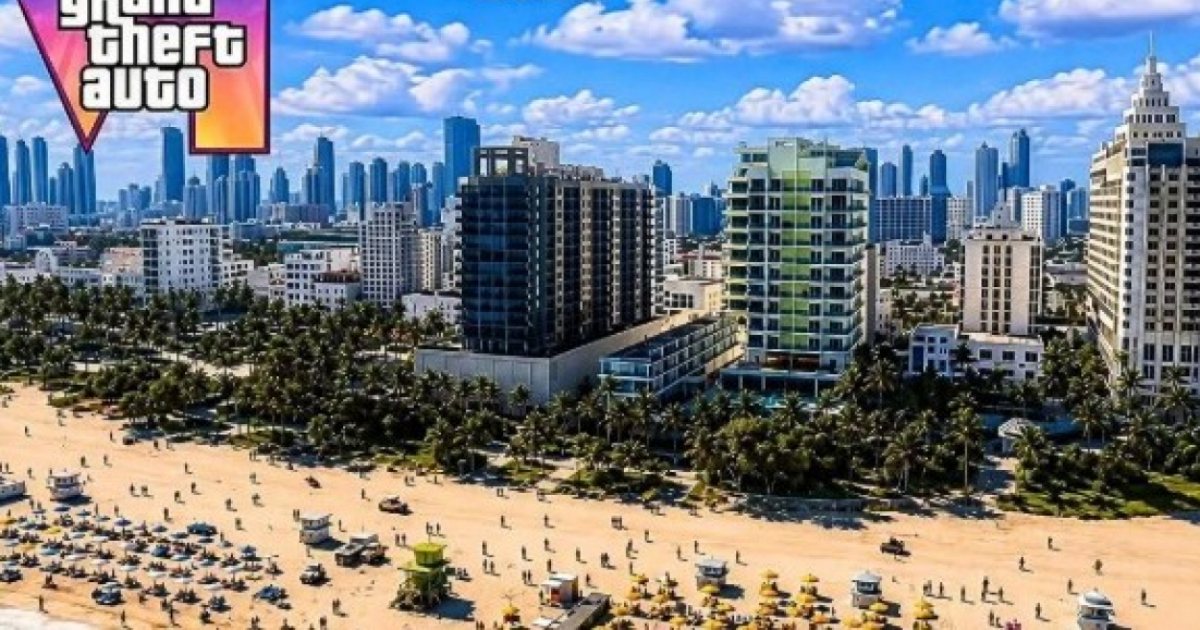
The Miami-Dade County Commission will decide on Tuesday whether to authorize Mayor Daniella Levine Cava to continue negotiating with the video game creator and distributor Rockstar Games for a marketing campaign for Grand Theft Auto VI in public facilities, amid a division that pits county officials against the very administration they oversee.
The debate began on June 29, when county officials sent Rockstar a proposal that included a "Vice City Airport" themed experience at Miami International Airport, Metromover cars wrapped with images from the game, a mural at PortMiami, customized manhole covers in downtown and Brickell, and a car festival at Tropical Park.
The administration of Levine Cava defended the initiative as a revenue opportunity. Its spokesperson, Carlos Suárez, explained that "given the clear influence of Miami-Dade in the game, we believe there could be a unique opportunity to generate income for the county while showcasing Miami-Dade to a massive audience."
But the opposition did not take long to organize. On September 3, Sheriff Rosie Cordero-Stutz and Commissioner Juan Carlos Bermúdez issued a joint statement in which they rejected using public resources to promote the video game.
"We should be promoting the Miami-Dade that we have worked so hard to build, not a fictional version of our community defined by crime and violence," wrote Bermúdez.
Cordero-Stutz was more direct: she described Grand Theft Auto as a "video game franchise built around criminal activity." The statement concluded with the phrase that became the slogan of the resistance: "Miami-Dade County is not Vice City."
The tension came to the commission session on October 6, where Commissioner René García, who represents Hialeah and the northwest part of the county, led the objections. García expressed feeling very uncomfortable with the idea of the county collaborating on a game that portrays Miami as a haven for crime. According to Miami Herald, Commissioner Oliver Gilbert then used a procedural maneuver to postpone the final vote to Tuesday, October 20.
While the debate dragged on, the mayor had already signed an agreement that did not require approval from the full council: on September 22, a helicopter installed a huge pink sign reading "Welcome to Vice City" on the roof of the Kaseya Center, home of the Miami Heat and county-owned, under a contract worth $975,000—$25,000 below the million-dollar threshold that requires it to go through the commission.
The neighboring municipalities did not wait for the county. Miami Beach approved in September (4-3) an agreement of up to 4 million dollars to brand Vice City on beach chairs and umbrellas until the end of the year. The City of Miami, for its part, authorized temporary banners for up to 1.2 million.
Rockstar's activations are popping up all over the city: a Goodyear blimp designed like Vice City hovers above the area, a caravan of real cars modified to resemble vehicles from the game travels the streets with license plates from the fictional state of Leonida, and the outdoor urban art museum Wynwood Walls is offering free admission to Miami-Dade residents until 2028, featuring 10 new murals commissioned for the game.
The dilemma facing the commissioners this Tuesday is straightforward: GTA VI —whose pre-sales have led the market analysis company Newzoo to project revenues between $3.25 billion and $5.2 billion in its first week— will present a version of Miami to tens of millions of players on November 19, with or without an agreement. The question is whether the county will capitalize on that exposure or keep its facilities out of the campaign.
Related videos:
Filed under: