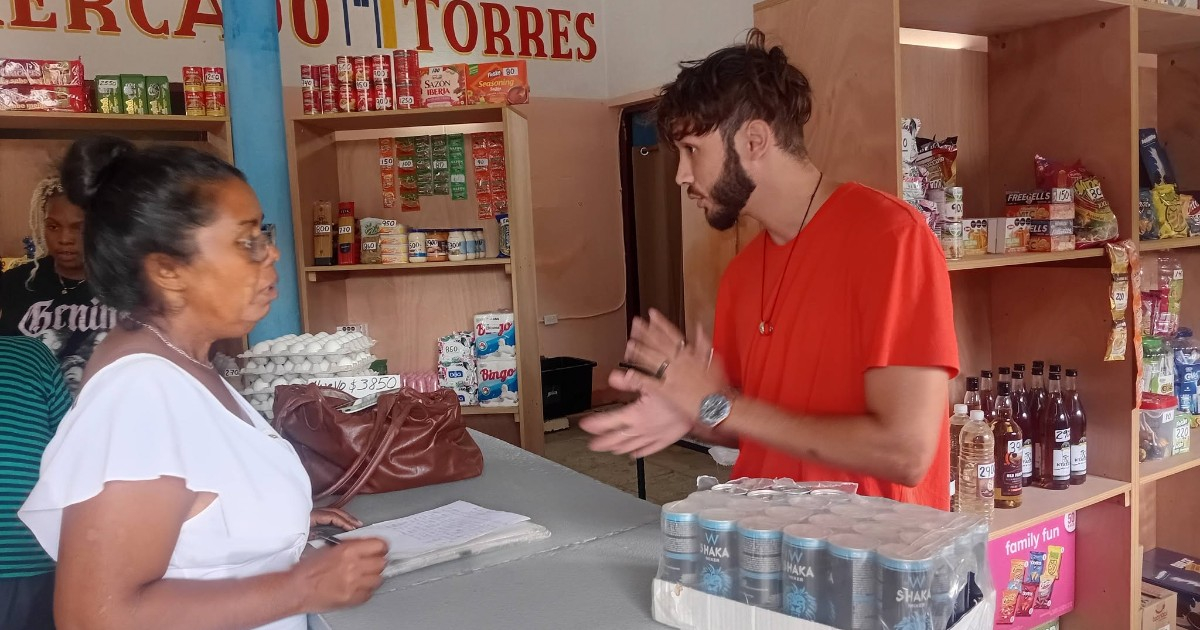
Health and inspection authorities in the province of Mayabeque ordered the immediate halt of the sale of Shaka and other alcoholic energy drinks in the municipalities of San Nicolás and Güines, due to the severe harm their consumption causes, particularly among adolescents and young adults.
According to journalist Milay Vega from Radio Mayabeque, the Municipal Administration Council of San Nicolás established a multidisciplinary working group composed of Commerce inspectors, health inspectors from the Health Department, and representatives from the State Inspection Directorate. This group's mandate is to inspect establishments, warehouses, and points of sale of self-employed individuals to prohibit the sale of the product and confiscate any existing supplies.
The consequences for those who disobey are severe: after 24 hours from the official notification, any self-employed worker who continues to sell Shaka will face fines, seizure of the product, and possible criminal prosecution, under a Decree-Law regarding health regulations that prohibits the sale of such beverages.
In the municipality of Güines, the municipal deputy mayor Damaris Gómez Amador led similar efforts alongside Dr. Lisandra Estanquero Ortega, the director of Hygiene and Epidemiology in the area.
The team visited private businesses such as Dulce Delicia, CasaTorres, DKAYTA, and ARCENTER. The retained brands go beyond the original Shaka and include Shaka Mixer, Shaka Wiski, Pardus, Havik, Vodka Energy, Eko Mik, Chakal, and Enerdrink Evolution, among others.
"The joint effort allows for monitoring these provisions and verifying their implementation in the places where they were available. The actions in the municipality of Güines include the retention and suspension of sales due to the increase in consumption among teenagers and young people nationwide," Gómez Amador emphasized.
The journalist and internet user Christian Arbolaez reported that in Santa Marta, a municipality in Cárdenas known for its fatalities, inspectors had also proceeded to confiscate the energy drink in the establishments.
So far, this information has not been corroborated by the authorities.
The danger of Shaka lies in its composition: 18% alcohol by volume vodka combined with caffeine, taurine, added sugars, and flavorings, in 250 milliliter cans.
Dr. Estanquero Ortega warned that the product causes headaches, vomiting, sweating, fatigue, and intoxication, and that caffeine often leads to behaviors that endanger life.
Intoxication begins with euphoria and a sense of stimulation, but it can lead to irritability, agitation, profuse sweating, and an increase in blood pressure.
In the most severe cases, those affected arrive in the emergency room in a coma, experiencing seizures or with an acute myocardial infarction. The product is also contraindicated for diabetics, harms the digestive system due to carbon dioxide, and may hinder physical development during adolescence.
The toxicologist Alejandro Mestre Barroso from the Provincial Drug Observatory of Las Tunas had explained the risk mechanism precisely: one can is equivalent to three or four beers in terms of alcohol, but caffeine masks the intoxication.
"The teenager, above all, experiences such a high level of excitement that they do not realize they are drunk. Then they have one drink, then two, then three," they warned. "When the alcohol finally takes hold, they already have 150 milligrams per deciliter in their blood and can fall into an alcoholic coma."
"It's not an energy drink. It's an alcoholic beverage with caffeine and purines. That's what needs to be changed conceptually," he concluded.
The measures in Mayabeque are part of a series of alerts that have been sweeping the island since August. That month, five young people aged between 18 and 22 were hospitalized in Sancti Spíritus due to intoxications related to Shaka; one of them arrived in a coma and required mechanical ventilation for 24 hours.
In October, Villa Clara also removed the product from state commerce, although it remained available in private businesses for about 1,000 Cuban pesos.
Related videos:
Filed under: