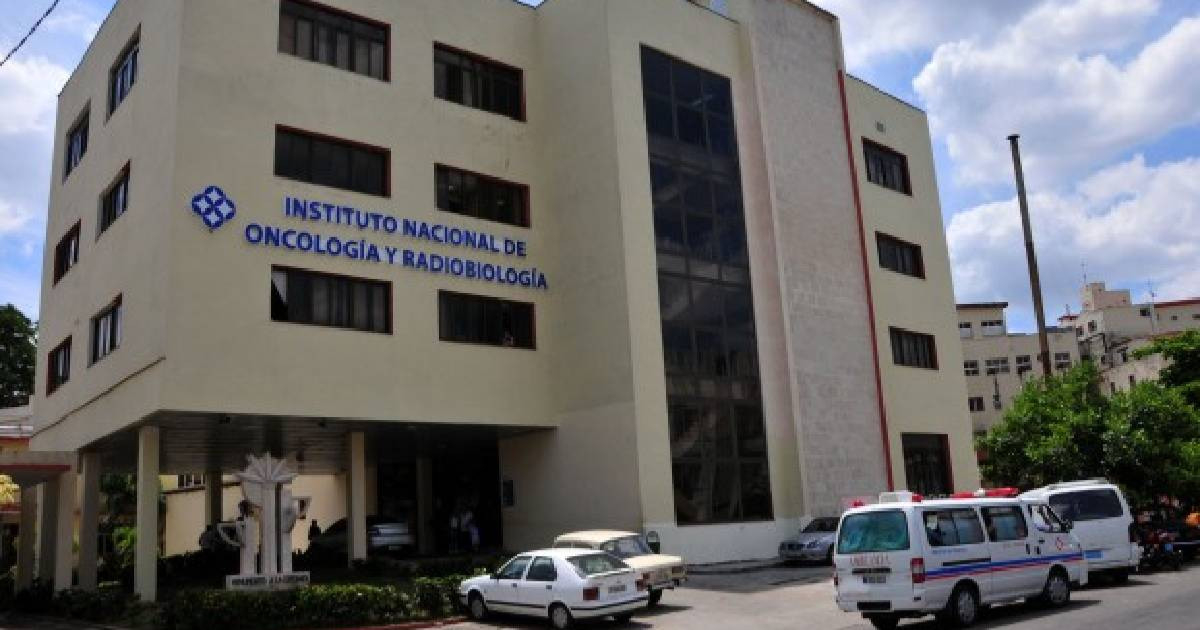
The survival rate of Cuban children with leukemia has reportedly dropped from historically high levels close to 90% to less than 50%, warned the president of the Cuban Society of Hematology, amid a severe shortage of medications and supplies that jeopardizes the care of cancer patients on the island.
Doctor Olga Margarita Agramonte Llanes provided these figures in an interview published on Monday by the state agency Prensa Latina, in which she attributed the decline in treatments to the U.S. embargo.
"During the years of intensification of the blockade, the survival rates, quality of life, healing, and transplants have decreased significantly, solely and exclusively due to that suffocating policy," he stated.
However, the publication does not specify the period to which the percentages correspond, which types of leukemia were evaluated, or how survival was calculated. The figures could not be independently verified, as they were not accompanied by clinical data or studies that would allow for the assessment of the extent of the decline.
A document from the United Nations Children's Fund (UNICEF) released in January 2026 had already indicated that childhood survival associated with oncological hematological cancers dropped from 75% to 60% due to a shortage of medication. While it confirms a deterioration in care, that indicator is not directly comparable to the percentages mentioned by Agramonte, whose methodology was not detailed.
Patients who cannot wait for their treatments
The specialist described the difficulties that Cuban hospitals face in obtaining medications, making timely diagnoses, and ensuring necessary treatments.
According to the explanation, financial restrictions and difficulties in obtaining supplies directly impact the care of patients with hematological diseases, especially malignant ones.
"It doesn't solve anything for the medication to arrive when the patient is no longer there or when their clinical condition has deteriorated to the point of preventing their recovery," he warned.
Agramonte also warned about the difficulties in treating hematological diseases associated with pregnancy and the decrease in blood donations, which he attributed to poor nutrition, exhaustion, and prolonged blackouts.
Official figures show a decline in voluntary donations, decreasing from 357,665 in 2020 to 254,845 in 2023, representing a nearly 29% reduction.
A crisis that affects thousands of patients
Recently, the government acknowledged that more than 70 people die daily from cancer in Cuba and that 300 out of the 395 domestically produced medications included in the basic supply were lacking.
In May, over 3,000 patients were awaiting chemotherapy due to a shortage of cytostatics, while the bone marrow transplant program remained halted.
These difficulties are compounded by the risks arising from the circulation of infectious diseases. Another specialist from the Institute of Hematology and Immunology warned about the danger of arboviral diseases for patients with hematological and immunological disorders.
For his part, Agramonte acknowledged the efforts of the professionals to provide care despite the shortages, but he reminded them that "diseases do not adapt to realities, but to protocols and specific therapeutic timelines."
Related videos:
Filed under: