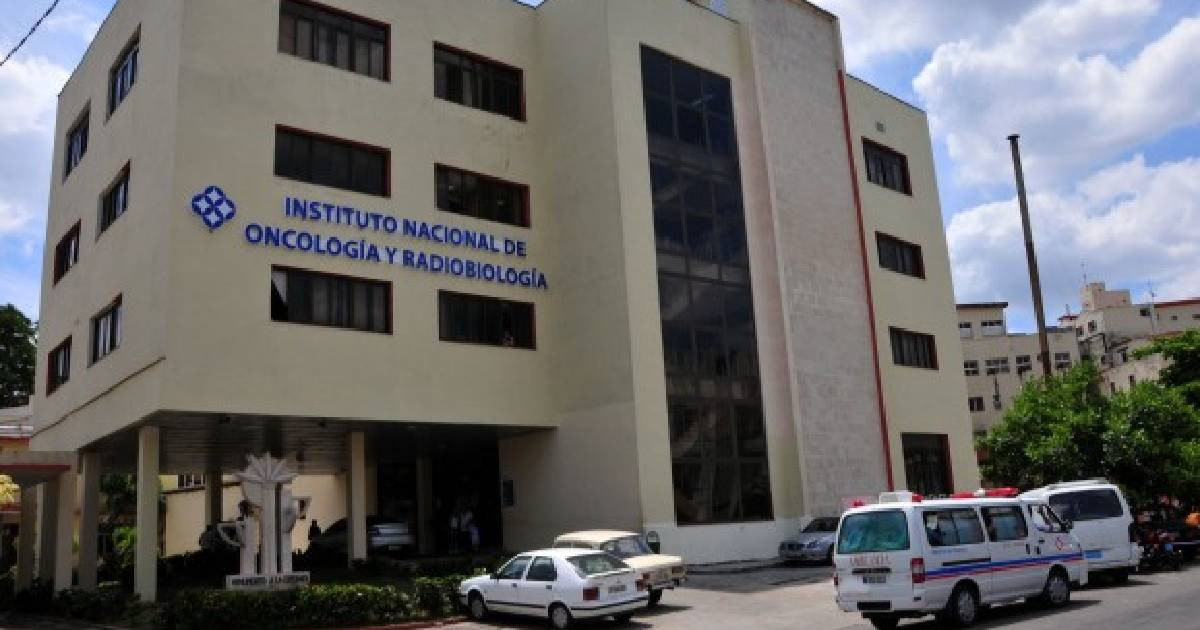
The 2024 Health Statistical Yearbook of MINSAP, published in September 2025 with preliminary data, reports a sustained increase in potential years of life lost (PYLL) due to the leading chronic diseases in Cuba.
The total rate of this indicator per 1,000 inhabitants aged one to 74 increased from 76.3 in 2023 to 81.8 in 2024, according to Table 17 of the document.
The AVPP is a standard epidemiological tool that does not indicate how many years each deceased person lost; it measures the collective impact of premature deaths on the reference population, giving greater weight to early deaths.
A person who dies at the age of 40 generates 35 disability-adjusted life years (DALYs) (75 minus 40); if one hundred people die at that age for the same reason, the result is 3,500 DALYs. The rate is expressed per 1,000 individuals in the group aged one to 74 years, not per deceased individual or per inhabitant of the total population.
For specific reasons, malignant tumors top the list with 20.3 YPLL per 1,000 inhabitants (compared to 19.5 in 2023), followed by heart diseases with 16.4 (up from 14.5), cerebrovascular diseases with 5.3 (up from 4.9), and diabetes mellitus with 2.1 (up from 1.7).
The introduction of the yearbook itself acknowledges that "the rate of potential years of life lost increases for heart diseases, malignant tumors, cerebrovascular diseases, influenza and pneumonia, accidents, diseases of the arteries, arterioles, and capillaries, and diabetes mellitus."
An analysis from Diario de Cuba published on Tuesday indicates that between 2019 and 2024, the rates of AVPP rose by 40% due to diabetes, 32.5% due to cerebrovascular diseases, 28.1% due to heart diseases, and 9.1% due to cancer.
The age-adjusted rates also increased during that period, ruling out population aging as the sole explanatory factor.
In absolute terms, Cuba recorded 128,106 deaths in 2024, compared to 117,749 in 2023: an additional 10,357 deaths in just one year.
Heart diseases (35,718 deaths) and malignant tumors (25,861) together accounted for 48.1% of the total. In the segment of strict premature mortality—people aged 30 to 69—38,818 Cubans died, with a rate of 711.4 per 100,000 inhabitants in that group, compared to 648.7 in 2023. The male rate (901.7) was almost double the female rate (527.8).
Diabetes has a particular characteristic: the yearbook notes that "there is a persistent excess mortality for the female sex," with a rate of 27.4 per 100,000 women compared to 23.3 in men.
The yearbook describes the year as marked by "the aging of the population, low birth rates, the health effects of climate change, the increase in risk factors for non-communicable diseases, and the recurrence of outbreaks of infectious diseases." 25.7% of the Cuban population was 60 years or older in 2024, while the birth rate fell to 7.2 live births per 1,000 inhabitants.
In parallel, the pharmaceutical shortages reached critical levels: by the end of 2024, 461 of the 651 products in the basic drug list —70.8%— were either out of stock or had low coverage. Minister José Ángel Portal Miranda acknowledged before Parliament in July 2025 that availability was barely at 30% of the basic list and 32% in pharmacies.
Statistical data alone do not establish a direct causal relationship between these deficiencies and the increase in AVPP, although the yearbook documents both trends simultaneously.
The MINSAP classifies the indicators for 2024 as preliminary, "which indicates the possibility of minor changes until the end of the current year."
Related videos:
Filed under: