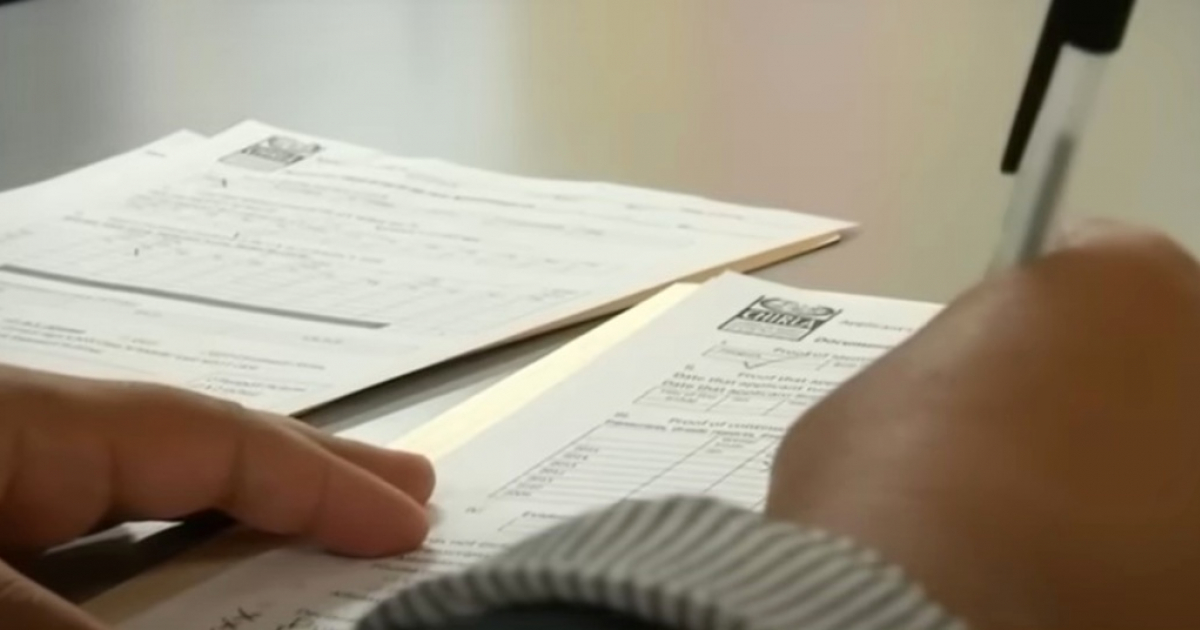
The Department of Homeland Security (DHS) published a final rule in the Federal Register this Friday that will allow electronic payment of fees associated with requests for access to records under the Freedom of Information Act (FOIA) and the Privacy Act of 1974, starting November 30, 2026, according to the official document 2026-22165 published in the Federal Register.
Until now, the only accepted method to pay those fees was by check or money order made out to the U.S. Treasury, which required applicants to physically obtain these instruments and mail them, adding time and steps to the process.
With the new regulation, payments can be made through Pay.gov —the federal online payment platform integrated with the DHS FOIA processing system— or any other electronic platform authorized by the DHS and its components.
The check and money order remain valid options when applicable. The DHS was explicit about this: "The option to pay by check or money order is preserved."
The rule amends paragraphs 5.11(a) and 5.21(d) of Title 6 of the Federal Regulations Code, which govern the assessment of fees in FOIA, Privacy Act, and the 2015 Judicial Redress Act requests. It was signed by Roman Jankowski, Privacy Director of DHS, who is listed as the official point of contact for inquiries.
The DHS argued that the change is an internal procedural update that does not affect the rights or interests of the parties, which is why it was exempt from the usual process of public proposal and comment. The Office of Management and Budget did not classify it as a significant regulatory action and did not review it.
According to the full text of the regulation, the DHS certified that the rule "will not impose new costs on the government or the public" and that those who pay electronically may experience a shorter wait time between the payment and the department's response.
For the Cuban community and other immigrants seeking their records from USCIS, ICE, or CBP, this measure represents a practical improvement. However, it is important to clarify several points before submitting an application.
Most FOIA requests from individuals seeking their own records incur no cost: the first two hours of search time and the first 100 pages of copying are free for non-commercial requesters, and DHS does not charge if the total is less than $14.
Charges only apply when those thresholds are exceeded. Submitting an application implies an implicit commitment to pay up to $25, unless the applicant sets a different limit or requests an exemption.
It is equally important to distinguish between the payment of a FOIA fee and the approval of an immigration benefit: these are completely separate processes. Paying a fee to obtain a file does not equate to or influence the outcome of a residency, asylum, or parole application.
In a parallel but different context, ICE recently published a notice to create the new Form I-902, which would standardize FOIA requests to that agency. This form is still a proposal under public consultation —the deadline for comments expires on December 28, 2026— and not an established requirement; it should not be confused with the electronic payment rule, which is a final regulation that has already been approved and has a defined effective date.
Those who have questions about their rights in requesting immigration files or about how to prepare for an ICE appointment can consult the available resources or speak to an immigration attorney before taking action.
Related videos:
Filed under: