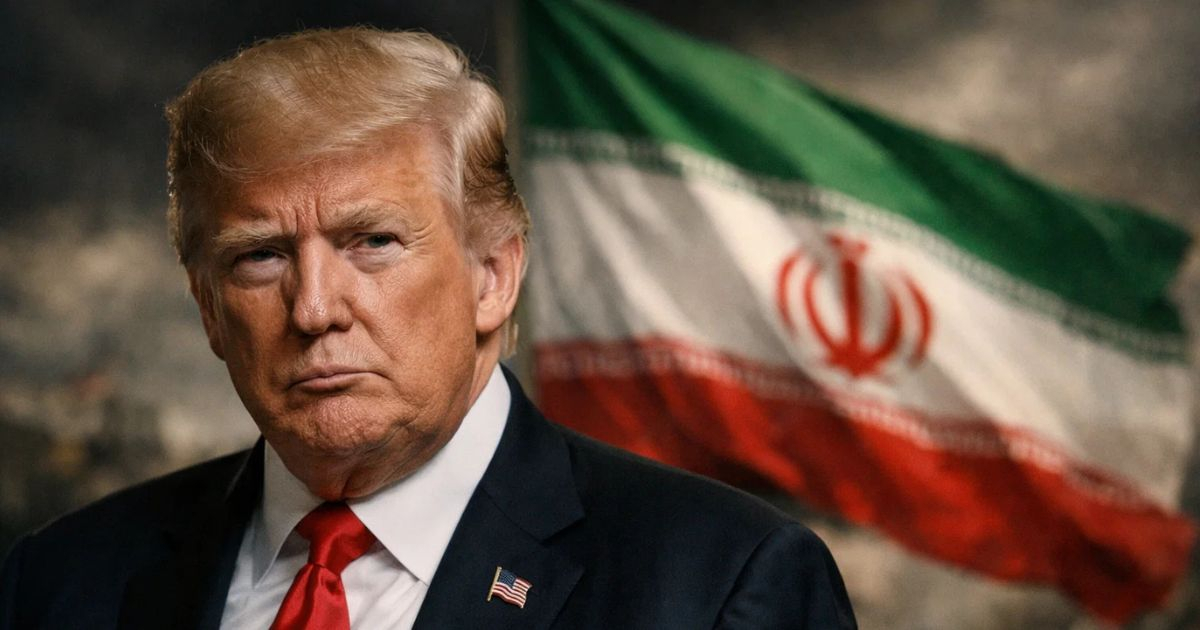
The U.S. Secretary of State Marco Rubio stated this Saturday that President Donald Trump has not yet decided whether to resume large-scale attacks against Iran, and that the White House prefers a negotiated resolution to the armed conflict that both countries have been engaged in since February of this year.
The statements were made at the conclusion of the G20 Foreign Ministers' meeting in Atlanta, Georgia, where Rubio addressed the press after two days of discussions that ended without a joint statement due to the deep divisions among participants regarding Ukraine, the Middle East, and tariffs.
"I believe what the president is indicating is that the United States remains the military power with the greatest capacity in the world. We can achieve the military objectives we set for ourselves. He has not made any decisions," stated the U.S. Secretary of State.
Rubio added that Washington is not approaching this conflict "lightly" and that Trump "prefers to resolve it through diplomatic means," although he does not rule out military options or set deadlines for negotiations.
The background of these words is an intense informational pressure regarding a possible new offensive. Media outlets such as The New York Times and Axios have reported that Washington and Israel are developing plans for a "brief but intense" operation against nuclear facilities, energy infrastructure, and Iranian missile arsenals, possibly after the upcoming U.S. midterm elections on Tuesday, November 3rd.
Anonymous officials cited by CNN confirmed days ago that the Central Command forces would be ready to initiate large-scale operations in less than 96 hours after receiving a presidential order. The U.S. maintains over 50,000 military personnel and about 20 warships in the region, with the aircraft carrier USS Theodore Roosevelt en route and 4,000 Marines aboard the USS Makin Island.
In parallel, diplomatic channels remain active. An Iranian delegation traveled to Doha this Saturday to continue consultations mediated by Qatar and Pakistan regarding Tehran's conditions to end the war. However, Iranian Foreign Minister Abás Araqchí dismissed any immediate plans to meet directly with American representatives and described reports of a possible face-to-face meeting as "mere media speculation."
Trump himself acknowledged on Friday that dialogue is ongoing: "There are conversations; they want to talk and continue talking," although he warned that Washington "has time" given Iran's economic deterioration.
The conflict between the two powers began on February 28, 2026, with the "Operation Epic Fury," launched jointly by the U.S. and Israel against Iranian nuclear, military, and missile facilities. Since then, the confrontation has alternated between phases of combat and indirect negotiations, with Iran's nuclear program serving as the main obstacle: Washington insists that it must be addressed from the outset of any agreement, while Tehran demands the lifting of the blockade and sanctions first.
The main diplomatic obstacle persists as the electoral clock counts down: multiple sources point to Tuesday as the threshold beyond which a new offensive could occur if the diplomatic route fails.
Related videos:
Filed under: