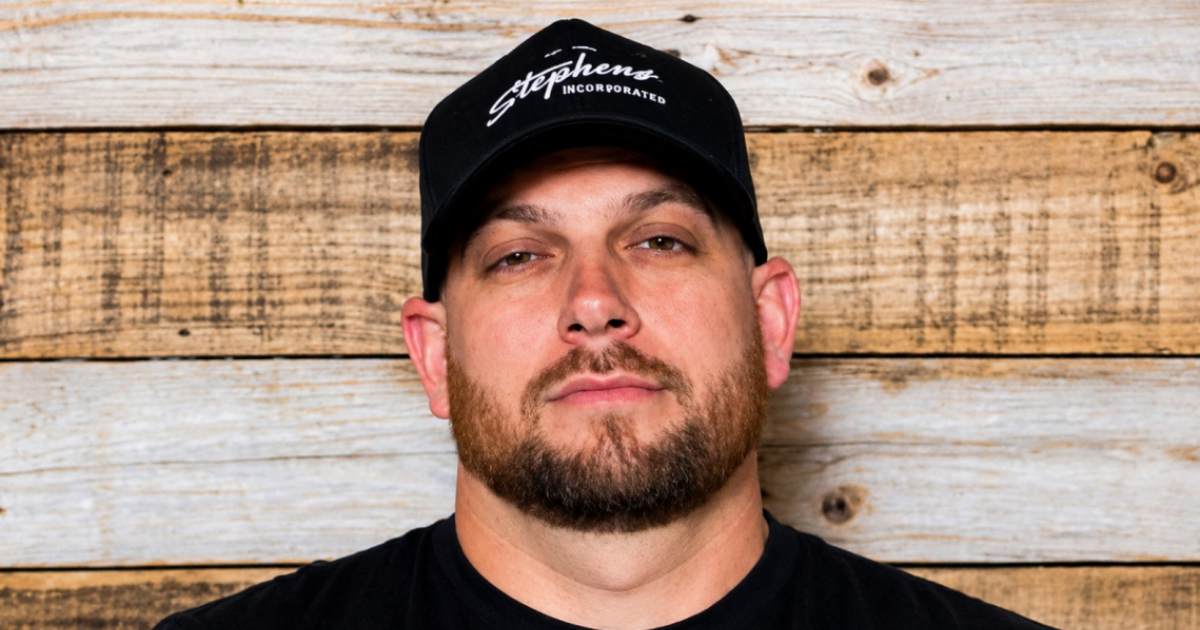
Matt Kuscher, owner of the Kush restaurants, is opening this November in Wynwood, Miami, a mixed-use building with 10 affordable housing units reserved exclusively for hospitality workers, with prices protected by law for the next 50 years.
The project, named Kush Korner, occupies a flatiron-style building constructed in 1926 at 2003 N. Miami Ave., which was slated for demolition when Kuscher acquired it in 2022 for $2.6 million.
According to the portal Community News Papers, the studios, ranging from 350 to 450 square feet, are not reserved solely for Kush employees, but for any hospitality worker in Miami who meets the income requirements.
Eight of the 10 units are designated for households with incomes of up to 80% of the area median income (AMI) for Miami-Dade, which is equivalent to $76,300 annually for a single person; the remaining two are for households of up to 100% of the AMI ($94,400).
Florida law stipulates that regulated rent cannot exceed 30% of gross monthly income, which theoretically sets the ceiling at around $1,908 per month for the most affordable units. In contrast, a market-rate studio in Wynwood currently costs between $2,448 and $2,653, with an annual increase of up to 10%.
The idea stemmed from a personal experience that Kuscher clearly recalls: "It all started one day when one of my dishwashers was evicted from his apartment, and I spent two days trying to find him a new one. I didn’t have a car, so I walked around the neighborhood looking for 'for rent' signs, and I realized how difficult it was to find housing. I had resources, and I couldn't achieve it in two days."
The restorer sums up the structural problem behind the project: "Miami is growing and thriving. But unfortunately, the people who make it work, the heart of the city, are being left out because of the prices."
The crisis described by Kuscher has concrete figures: the deficit of affordable housing in Miami-Dade exceeds 118,000 units for households with incomes up to 80% of the AMI, according to the Shimberg Center for Housing Studies at the University of Florida, and nearly 60% of tenant households in the metropolitan area spend more than 30% of their income on rent.
The average rent in multifamily buildings in the county rose again by 2.0% year-on-year to $2,669 in September, tripling the national increase of 0.7%, according to data from MIAMI REALTORS and Yardi Matrix.
The project was supported by the Community Redevelopment Agency Omni (Omni CRA) and the Public Benefit Trust Fund, as well as the backing of Miami District 2 Commissioner, Damian Pardo.
Kush Korner also includes space for first-time entrepreneurs, structured as a business residency. Kush Wynwood is reopening with its classic menu and a gallery featuring works by 30 local artists.
Edward "Ned" Murray, associate director of the Jorge M. Pérez Metropolitan Center at FIU, supports the model and places it within a broader discussion on housing policy: "Leisure and hospitality account for the majority of jobs in South Florida, but the sector does not always pay the wages necessary to afford rent or buy a home. When we develop affordable housing plans, we often talk about employer-assisted housing. We call it leading the challenge and sharing the burden."
Kush Korner has not publicly announced the exact rental price or the official application process for the studios; those interested can visit the property when it opens its doors this November.
Related videos:
Filed under: