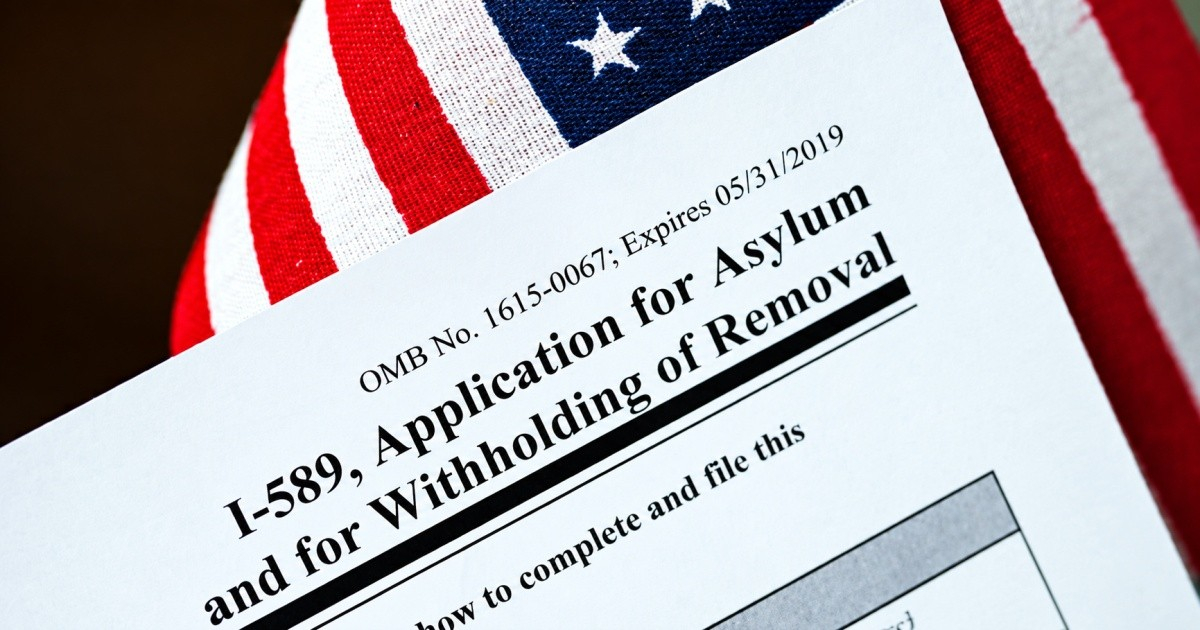
A federal court in the District of Massachusetts has extended for an additional 30 days the suspension of the rule that reduced the deadline for refugees to respond to a notice of intent to terminate their status from 30 days to ten.
The extension, issued on November 2, keeps the rule blocked until December 4, 2026 in the case PANA v. Edlow, number 1:26-cv-14817.
The initial suspension was ordered by Judge Julia E. Kobick on October 27, blocking the rule until November 6. Upon the expiration of that deadline, the court extended it without lifting the original conditions: the Department of Homeland Security (DHS), the United States Citizenship and Immigration Services (USCIS), and its director Joseph B. Edlow are still prohibited from enforcing the ten-day deadline, and they cannot cancel the status of individuals who did not respond to notifications issued between October 14 and October 27 with a response time of less than 30 days.
While the suspension lasts, the original 30-day deadline is back in effect.
The procedural calendar is tight. The government must submit its opposition to a longer suspension by November 13 —the date coinciding with the end of the public comment period on the rule— and the hearing to resolve that motion is scheduled for November 24 in courtroom 20.
If on December 4th the court does not extend or convert the suspension into a preliminary injunction, the ten-day rule would immediately apply again.
The questioned regulation was published on October 14, 2026 in the Federal Register without prior notice or comment period, modifying a regulation that had remained unchanged for approximately 45 years. Under this rule, if a refugee does not respond within ten days to a Notice of Intent to Terminate (NOIT), "it is considered that they have waived their right to contest the allegations in the NOIT, and DHS will terminate their refugee status."
DHS estimates that the rule could affect up to 186,000 refugees admitted between fiscal years 2015 and 2025 who have not yet adjusted their status.
The lawsuit, filed on October 26 by six resettlement organizations and four individual refugees, also challenges two other measures that this order does not suspend: the indefinite freezing of permanent residency applications (form I-485) from refugees admitted during the Biden administration, and the policy of re-verification of those cases.
In July 2026, there were more than 155,000 pending I-485 applications, compared to 45,000 at the beginning of the second Trump administration.
What does this mean for Cubans?
Most Cubans in Florida arrived in the country through means other than the U.S. Refugee Admission Program (USRAP) — such as humanitarian parole, asylum, form I-220A, or the Cuban Adjustment Act — and are not directly affected by this rule.
However, those who formally entered as refugees under USRAP and maintain that status are indeed part of the affected group. According to data gathered on the report about the new ten-day deadline, 258 Cubans were resettled under that program in fiscal year 2024, a number that dropped to 128 in fiscal year 2025.
Cuban refugees under USRAP with a frozen I-485 application are facing an especially vulnerable situation: the One Big Beautiful Bill Act, enacted on July 4, 2025, has already removed their eligibility for the SNAP food assistance program, and since October 1, 2026, they have also lost coverage for Medicaid and CHIP.
The freezing of their status adjustment prevents them from accessing permanent residency, which would restore those benefits.
Any Cuban refugee who receives a NOIT must act immediately: respond within 30 days that apply during the suspension, gather and maintain all documentation that verifies their refugee status, and promptly consult an attorney specialized in immigration.
Camille Wathne, director of Special Projects at Jewish Family Service of Western Massachusetts, summarized the risks associated with such a short deadline: "You can imagine that someone may not have received the notice, or that they only have two or three days to gather the documents." The hearing on November 24 will be crucial in determining whether the legal protection will be extended beyond December 4.
Related videos:
Filed under: