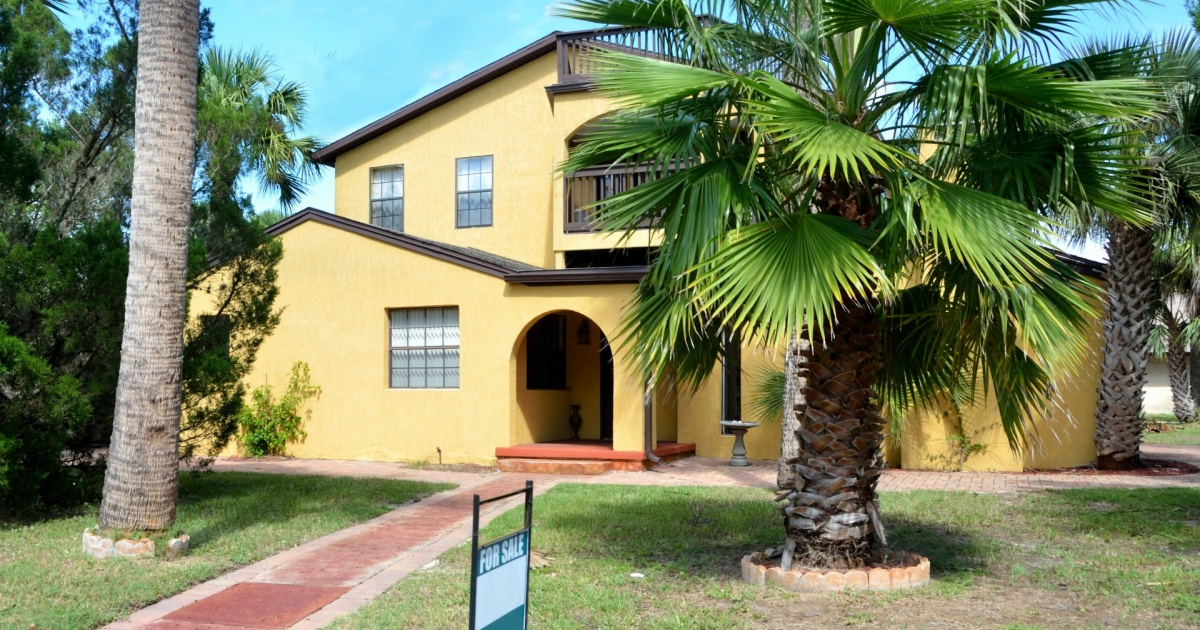
The median sale price of homes in the United States fell by 0.4% year-on-year in October, reaching $388,634, according to a recent report from Redfin, one of the leading real estate platforms in the country, specializing in buying and selling homes as well as market analysis.
The study reports the first year-on-year decline since May 2023 and puts an end to a streak of more than three years of increases compared to the same month of the previous year.
The decline comes at a time of lower demand and high financing costs.
Mortgage rates averaged 7.33% in October, the highest level in three years, compared to 6.86% in September. Meanwhile, the total number of homes available for sale reached its highest level since early 2020.
For those looking to buy a home in Florida, the situation heavily depends on the city, the type of property, and the financing conditions. While some markets show signs of cooling, others maintain high prices and limited availability.
Florida: fewer available homes and differences between cities
Redfin data shows that several metropolitan areas in Florida are among those that recorded the largest year-over-year decreases in active housing listings in October.
Fort Lauderdale topped those declines with a drop of 13.5% in listed properties, followed by West Palm Beach (-12.4%) and Jacksonville (-11.9%). This means that, despite the cooling of the national market, buyers in these areas have fewer homes available to choose from than a year ago.
There are also differences in the time it takes for properties to find buyers. In Fort Lauderdale, homes that went under contract took an average of 90 days, which is 18 days less than a year earlier. In West Palm Beach, that period decreased by 15 days, and in Jacksonville, it reduced by 14 days.
In contrast, the time to market increased by 21 days in Tampa and nine days in Orlando, two of the largest increases recorded among the major metropolitan areas analyzed.
In Miami-Dade, the market remains expensive. Redfin's data for October shows the median sale price at approximately 552,000 dollars, a 0.3% increase from a year ago.
The figure corresponds to the overall types of housing in the county and should not be confused with the price of single-family homes, which is typically higher.
These differences show that a national drop in prices does not necessarily mean that homes are becoming cheaper in all cities in Florida.
More room to negotiate, but expensive mortgages
One of the most significant changes in the report is the greater negotiating power that buyers in the United States are finding.
According to Redfin, 61% of the homes sold in October closed below their original listing price, while 36% of the properties sold had experienced at least one price reduction, the highest percentage recorded by the company.
In addition, approximately 15% of pending sales transactions did not come to fruition, an exceptionally high proportion that reflects buyers' difficulties in managing costs or reaching satisfactory agreements.
However, a price reduction does not always translate to an affordable home.
Mortgage rates above 7% keep monthly payments high, especially in expensive markets like Miami and other areas of South Florida.
The mortgage payment should include homeowners insurance, property taxes, and, in the case of many condominiums, association fees and potential special assessments.
These expenses can significantly disrupt a family's budget, even when they manage to negotiate a lower purchase price.
What should Cuban buyers in Florida consider?
For Cubans interested in purchasing property in Florida, in addition to prices and mortgage conditions, it is important to be aware of the legal restrictions applicable to certain foreign buyers.
The Florida law SB 264, in effect since July 2023, imposes restrictions on the acquisition of certain properties by individuals and entities connected to countries deemed of concern, including Cuba.
In the case of individuals residing in Cuba who are neither U.S. citizens nor legal permanent residents, the general restrictions affect, among other categories, agricultural land and properties located within certain distances from military installations or critical infrastructure.
The regulations allow for specific exceptions, so having a temporary immigration status does not automatically mean that any real estate purchase is prohibited.
Before committing to a transaction, it is advisable to check if the property and the buyer's circumstances are subject to any restrictions.
Regarding the market, Chen Zhao, head of economics at Redfin, believes that buyers have greater negotiating power, although affordability remains a concern.
"It's a buyer's market, but not many people can afford to buy," Zhao pointed out.
The economist advised those looking for housing to consider offers below the advertised price and to negotiate closing costs, repairs, or conditions that could help reduce the mortgage cost.
Related videos:
Filed under: