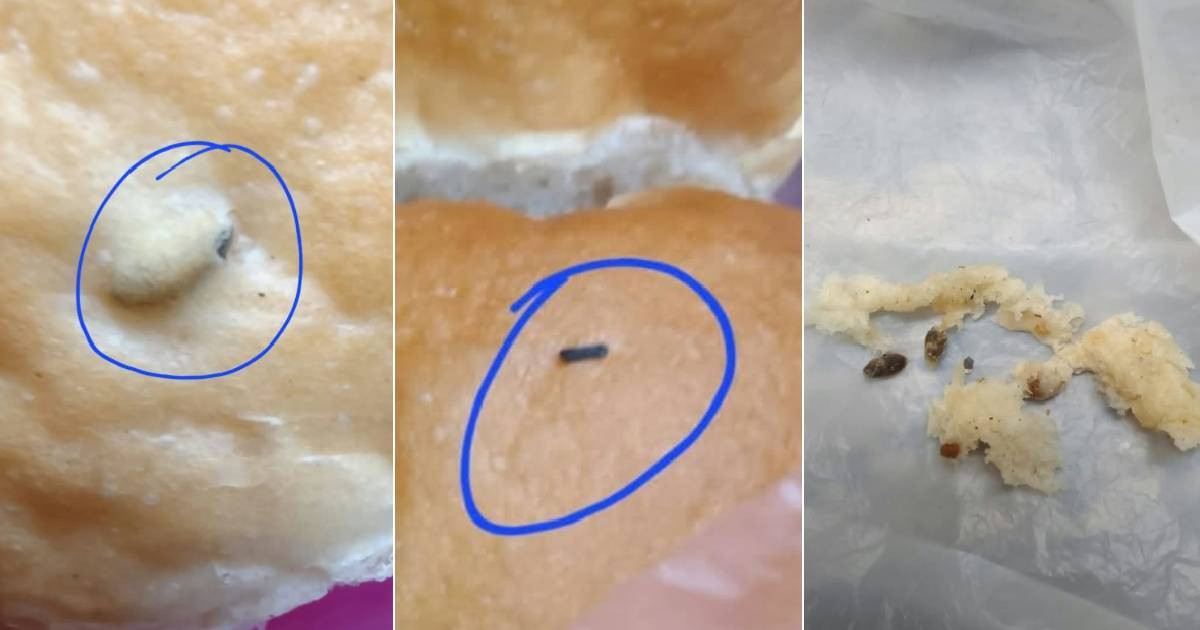
A report circulated on social media this Saturday revealed the sale of bread contaminated with rat feces at a store in Camagüey, where a person paid 350 pesos for 10 units and found traces of rodent droppings in three of them.
The complaint was shared by journalist José Luis Tan Estrada through his profile on Facebook. According to the account, the establishment is located at 23 Libertad Avenue, formerly number 25, in the city of Camagüey.
The affected person reported that she bought 10 loaves of bread at 35 pesos each. Upon arriving home and opening one to spread butter on it, she discovered it was filled with mouse droppings. Alarmed, she checked two others and found the same contamination.
The publication prompted numerous reactions of condemnation and calls for intervention by health authorities. As of this Saturday, no Cuban institution had publicly responded to the complaint.
"Let Public Health close the establishment and impose a hefty fine on them. How long are we going to have to tolerate all this unsanitary cooking? Where are the inspectors?" demanded one of the citizens.
Another commentator raised concerns about the danger of leptospirosis and called for an investigation into the storage conditions of the flour and the hygiene of the establishment. "Just a single drop of urine on any food is enough," he warned.
The absence of health controls also drew criticism. "Is there no longer any quality control? No inspectors?" questioned one user, while another asked who would be held accountable for what happened and lamented the lack of hygiene.
"With so many diseases and no medications in the hospitals, people are dying and nothing happens. What Cuba is going through is painful," wrote another citizen.
According to the Centers for Disease Control and Prevention (CDC), these animals can contaminate food, surfaces, and utensils through contact with their excrement.
Leptospirosis, primarily transmitted through the urine of infected animals, is endemic in Cuba. Between 2018 and 2022, there were confirmed 105 deaths from this disease in the country.
In September, a resident of Morón found a cockroach embedded in a bread purchased from a street vendor in Ciego de Ávila.
In June, Panadería La Indiana, in Santiago de Cuba, distributed standardized bread with green mold, sour smell, and a decomposing texture. Consumer complaints deemed the product inedible.
The proliferation of rodents in Camagüey is also related to the deterioration of waste collection services. The extent of the problem was highlighted in November when the provincial headquarters of Hygiene and Epidemiology was found surrounded by accumulated waste.
In June, the Pan American Health Organization warned that the shortage of rodenticides and the deterioration of sanitation in Cuba were exacerbating the risk of leptospirosis.
Related videos:
Filed under: