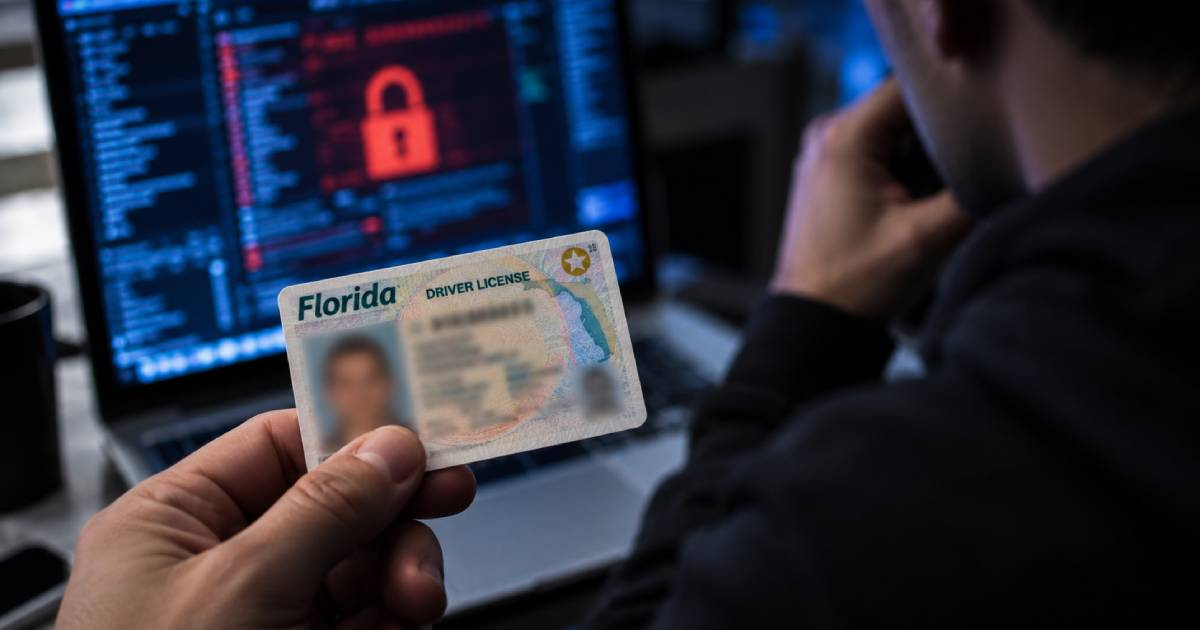
The ORION system —Florida's state platform for driver's licenses, vehicle registrations, titles, and plates— experienced another outage on Wednesday, leaving tax collector offices across the state without service for most of the day, according to a report from the Tampa Bay Times.
The impact was immediate and extensive. The collector of Pasco, Mike Fasano, reported that his office had to turn away about 2,000 people who could not be assisted. In Pinellas, the collector Adam Ross reported lines with waits of up to three hours. In Hillsborough, at least one customer waited four hours before being informed that they could no longer be served.
The Florida Department of Highway Safety and Motor Vehicles (FLHSMV) posted an initial alert on social media acknowledging a "service degradation" affecting its licensing and vehicle issuance system. About two hours later, the agency updated that it had identified the problem and was working to restore full functionality, without providing an estimated time or an official technical cause.
This Thursday, the FLHSMV announced that services had returned to normal conditions and that it would continue monitoring the system "to ensure stability."
It is not the first time. ORION was launched in January 2026 as part of a modernization project for the FLHSMV, but since its release, it has a record of recurring failures: the Hillsborough tax collector's office reported 12 outages in just two months.
Fasano has estimated that interruptions cost his office about 4 million dollars annually in operations related to registrations, plates, and titles. Last May, the FLHSMV itself acknowledged "ongoing performance issues."
The Palm Beach Tax Collector, Anne M. Gannon, was straightforward in stating that ORION "has problems all the time" and emphasized that the control of the system lies with the state, not her office. Meanwhile, the Indian River Tax Collector, Carole Jean Jordan, noted that outages are common, especially on Mondays and Fridays when customer volume is higher, and that they typically last up to an hour.
For the Cuban and immigrant community in Florida, a fall like this has direct practical consequences. Many Cubans with parole, I-220A, or in the process of obtaining residency possess licenses marked as "TEMPORARY" whose validity is tied to the expiration date of their immigration documents, with a practical maximum of 12 months.
If the license expires and the system does not allow for its renewal, the driver is subject to fines: driving with an expired license for less than six months is an infraction with a base fine of $30; if it exceeds six months, it can be classified as a misdemeanor with a fine of up to $500 and 60 days in jail.
Before visiting an office, it is advisable to check the status of the system. In Miami-Dade, you can call (305) 375-5448 or visit mdctaxcollector.gov; in Broward, review browardtax.org. If the license was valid on the day the ticket was issued and the driver was unable to renew it due to system outages, it is possible to present evidence to the court and request dismissal with an administrative fee of up to 10 dollars.
Florida began issuing a new format for driver's licenses on September 30; existing licenses do not need to be replaced until they expire. Furthermore, the law anticipates including immigration status on licenses starting January 1, 2027.
Related videos:
Filed under: