A Cuban doctor updated an old political joke about the island this Sunday with a sharp punchline that stings: "What is the ultimate insult to a ruler? To starve the people and charge them for the funeral", wrote Ricardo González on Facebook, in a reflection titled "The Ultimate Insult to a Ruler."
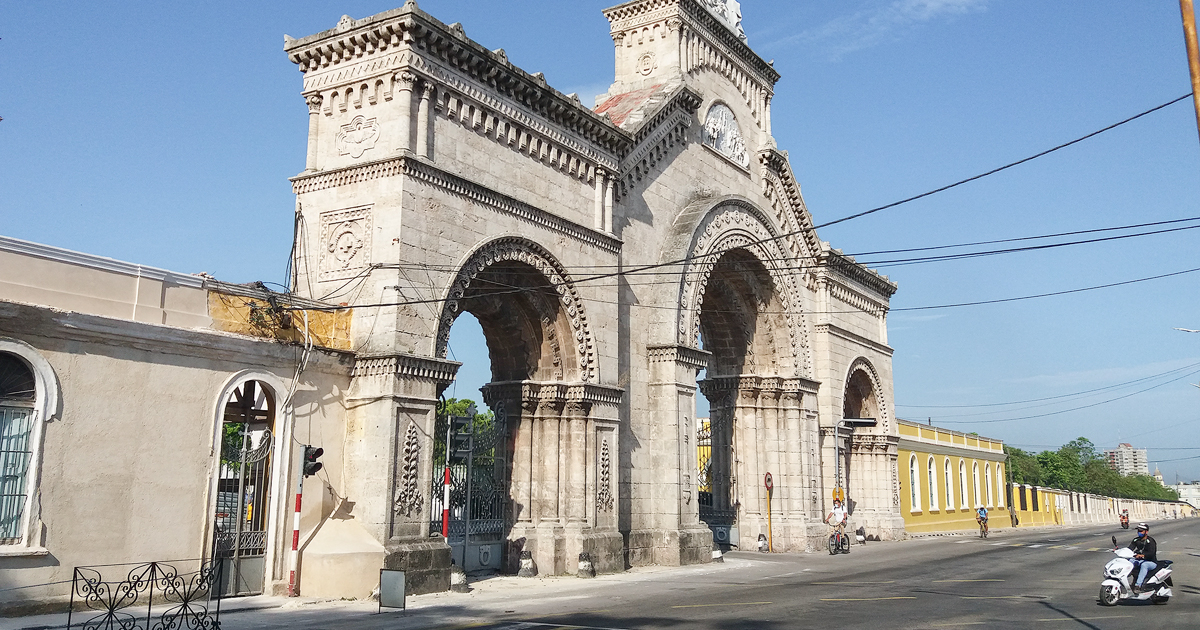
The text did not emerge from nowhere. On Friday, the profile of the Necrópolis Cristóbal Colón shared a table with rates for 12 funeral services, allegedly backed by Resolution 146 from November 12, 2026, from the Provincial Government of Havana. The institution itself acknowledged in that publication that "so far the city government has not published anything on the matter," leaving the cemetery to inform the public on its own.
The provincial government responded the next day, labeling the publication as "unauthorized" and clarifying that the fees are merely "a proposed cost sheet" not yet implemented, although it confirmed that the transformation of the funeral system towards self-financing has been underway for months.
González, who began his medical studies in 1977 at the "Victoria de Girón" School of Basic Sciences in Havana, recalls that since then, the anatomy technicians had been complaining that fewer and fewer cadavers were arriving for dissection.
The explanation was paradoxical: the free burials established by the Revolution led neighbors to claim and bury the deceased who lived alone, thereby emptying the anatomy rooms. "Then false egalitarianism began," González writes. "The coffins for everyone were the same, but of very poor quality; only five flower wreaths were allowed per deceased, all funeral homes were painted in dull grays accompanied by a ghastly green, and there was one or two servings of watered-down coffee among other things."
It was in that atmosphere of rationing and forced uniformity that the original joke was born, attributed to a duo of Cuban comedians: "What is the height of a ruler? To starve the people and bury them for free." Decades later, González believes that the punchline needs an update.
The doctor also points out with irony the new class logic introduced by the charges: "Those who have families abroad and will pay for the burial of relatives in foreign currency will have a burial with certain conditions..." This phrase sarcastically summarizes a reality that the regime never fully explains: that access to better services increasingly depends on the money arriving from abroad.
The context surrounding the joke is anything but funny. In October, analyst Frank Rodríguez reported on burials in mass graves because families could not afford coffins. In November, a family had to transport a coffin using a pair of oxen.
The cemetery of Cárdenas was reported for open vaults and exposed bones. In April, journalist Camila Acosta shared images of skulls and personal belongings mixed with debris inside the Colón Necropolis itself.
The logic of self-financed funeral services is not new: since 2023, the regime had already been charging for intermunicipal transfers, cremations, and home wakes, while keeping the basic coffin and local transfer free of charge.
In June of that year, the director of the Provincial Unit of Necrological Services in Sancti Spíritus stated: "Our aim is for necrological services to gradually self-finance, and with those revenues, we can enhance the services that remain free of charge."
González concludes his reflection with a phrase that blends hope and warning: "I hope that with the good heart of Cubans, the anatomy classrooms of Cuban medical schools do not fill up again."
Activist Lara Crofs, in denouncing the collapse of funeral services, had expressed it differently in September: "Even death seems to have become a privilege for those who can afford it."
Related videos:
Filed under: