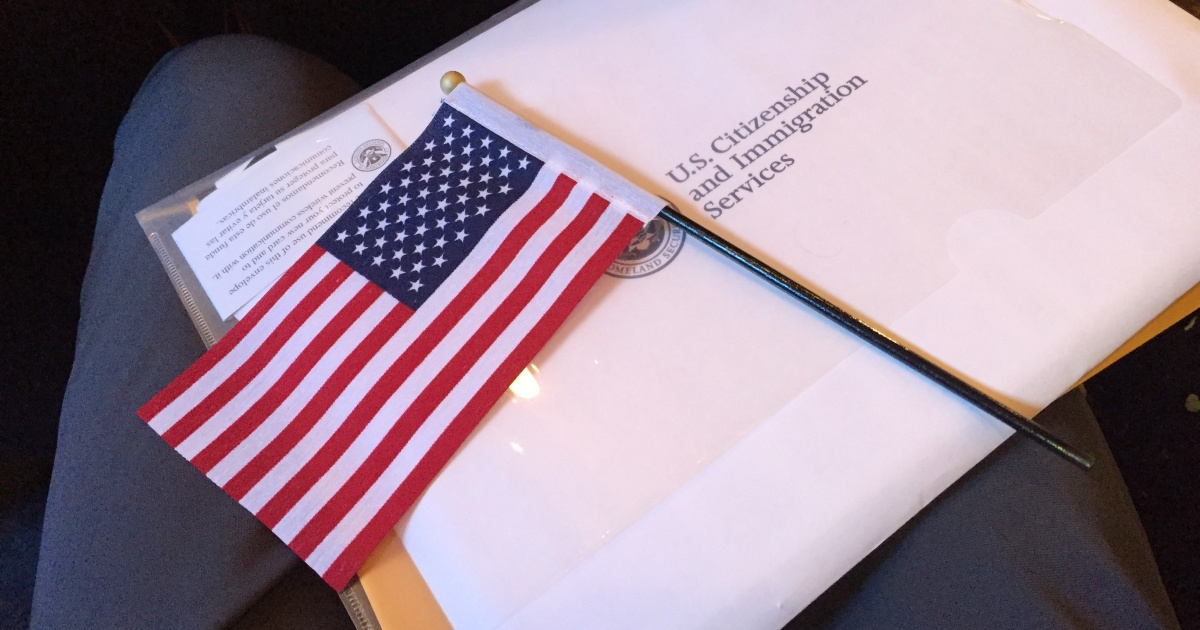
Nine Democratic lawmakers from Maryland demanded on Friday, November 20, that the administration of President Donald Trump take action to address the delays in U.S. citizenship processing, a situation that also affects Cubans with permanent residency who are waiting to naturalize.
Senators Chris Van Hollen and Angela Alsobrooks, along with seven Democratic representatives, sent a letter to the director of the U.S. Citizenship and Immigration Services (USCIS), Joseph B. Edlow, in which they denounced the increase in denials, delays, and cancellations of swearing-in ceremonies at the Baltimore office.
The congress members demanded a written response within 30 days detailing the measures to reduce the backlog of cases and restore the usual processing times.
According to a report on Monday, November 23, The Daily Record, USCIS did not immediately respond to their request for comments.
Citizenship approvals plummet in the United States
A study published on October 23 by The Washington Post revealed that U.S. citizenship approvals dropped by 72% during the first eight months of 2026, compared to the same period the previous year.
The number of pending files increased from about 500,000 at the beginning of Trump's second term to over 800,000.
In Baltimore, processing times increased from between eight to 12 months to between 15 and over 20 months from June to October; meanwhile, the denial rate rose from 7% to 35% between the second and third quarters of fiscal year 2026.
In Miami, where a large Cuban community lives, processing times ranged from 10 to 14.5 months as of October 22, regardless of the applicants' nationality.
The cancellation of swearing-in ceremonies also prolongs the wait for those who have already had their applications approved but still cannot exercise rights such as voting in federal elections.
Why are Cubans among those affected?
Cuba was among the 39 countries affected by the restrictions introduced through USCIS memos at the end of 2025, which suspended the processing of naturalization applications and other immigration benefits.
On June 5, 2026, Federal Judge John J. McConnell Jr. declared several of those policies illegal and struck them down.
Although the administration appealed the ruling, the First Circuit Court of Appeals upheld the annulment of the suspension of the resolution of requests in August.
The civic organization Press Unpause estimates that over two million applications for various immigration benefits were affected during the nearly seven months of the suspension.
In another legal case, the class action Red Eagle Law v. Edlow, a federal judge ordered in August to resume the standard processing of applications for immigrants covered by that litigation.
The plaintiffs subsequently filed a motion to enforce the ruling. The hearing to review that request was rescheduled for January 22, 2027.
What can Cubans with a green card do while waiting for citizenship?
Permanent residents who have submitted the N-400 form can check the status of their case with USCIS and consult the processing times for the office handling their file.
If they have exceeded the deadline set by the agency for submitting inquiries, they can file a delay complaint or seek assistance from the constituent services office of their senator or federal representative.
When 120 days have passed since the naturalization exam without USCIS issuing a decision, U.S. legislation allows the applicant to go to the federal district court where they reside.
There are also federal mandamus lawsuits to demand that the agency fulfill a legal obligation in the face of unjustified delays. The advisability of pursuing these legal avenues should be assessed with an immigration law specialist.
Related videos:
Filed under: