
Related videos:
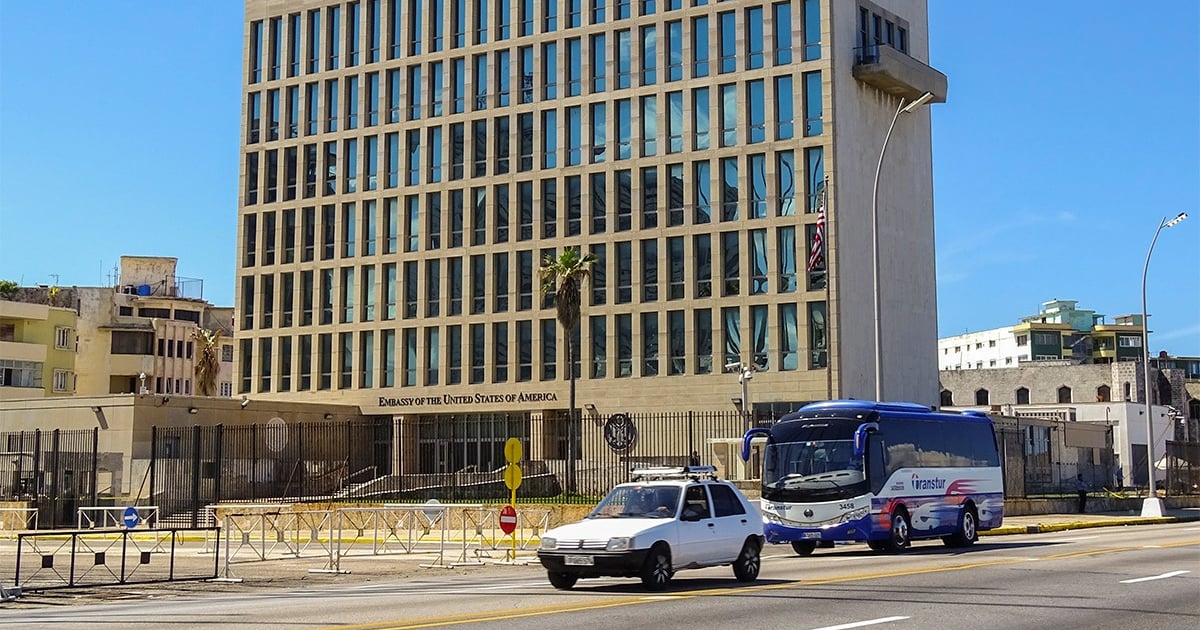
The U.S. Embassy in Cuba issued a statement directed at immigrant visa applicants, outlining key procedures for those seeking to emigrate to the United States from the Island.
The diplomatic mission reiterated the importance of applicants correctly completing the required forms, particularly the DS-260, used in immigration procedures.
To avoid delays or inconveniences in scheduling your interviews, applicants must ensure they provide detailed and truthful information about their work history, addresses of residency since the age of 16, and fully answer the security and background questions. Omissions or incomplete information may impact the evaluation of the application and cause delays.
The announcement comes at a time when the demand for immigrant visas from Cuban citizens continues to rise, amidst the economic and social crisis facing the Island.
Since October 15, 2024, a new mandatory requirement for immigrant visa applicants has been implemented: attendance at a Document Review before the consular interview.
This step must be scheduled at least one week before the interview date to ensure that all documentation is in order.
To coordinate the Document Review, applicants can:
✔️ Send an email to: visashavana@state.gov, with the subject "A88 Document Review."
✔️ Call the phone number 7839 4152, from Monday to Friday, between 9:00 a.m. and 11:00 a.m.
In this process, it is important to periodically check the status of your applications through official channels and stay alert for possible scams circulating on social media offering fake intermediary services.
Recently, the Trump administration has considered implementing a new travel restriction that would prohibit the entry into the United States for citizens of certain countries, including Cuba, as part of a strategy to enhance national security.
The prohibition would be included within an executive order signed by Trump on January 20, titled "Protecting the United States from Foreign Terrorists and Others," aimed at preventing "threats to national and public security."
Frequently Asked Questions about the U.S. Immigrant Visa Process in Cuba
What is the DS-260 form and why is it important for immigrant visa applicants in Cuba?
The DS-260 form is a crucial document in the immigrant visa application process in the U.S. for Cubans. It must be completed truthfully and thoroughly through the Consular Electronic Application Center (CEAC). It is essential to avoid delays or issues in scheduling interviews.
What is the new Document Review requirement for immigrant visa applicants in Cuba?
Starting from October 15, 2024, all immigrant visa applicants must attend a mandatory Document Review before their consular interview. This process must be scheduled at least one week prior to the interview to ensure that all documentation is in order and to avoid delays.
How can visa applicants in Cuba avoid scams during their immigration process?
Applicants should obtain information only through official channels and avoid mediation services offered on social media that are not recognized by the Embassy. It is vital to report any attempts of fraud to the appropriate authorities to protect oneself and others.
What impact do the travel restrictions proposed by the Trump administration have on Cuban citizens?
The Trump administration has considered implementing a new travel restriction that could prohibit citizens from certain countries, including Cuba, from entering the United States. This measure is part of its strategy to enhance national security and could further complicate the immigration process for Cubans.
Filed under: